Advantages of Co-Extruded Wood Veneer for Wall Projects
When it comes to wall finishes, designers and contractors are constantly seeking innovative materials that combine aesthetics, durability, and sustainability. Enter co-extruded wood veneer - a cutting-edge solution that's revolutionizing wall projects across residential and commercial spaces. This article explores the myriad advantages of co-extruded veneer and why it's becoming the go-to choice for discerning professionals in the construction and interior design industries.
What is Co-Extruded Wood Veneer?
Before delving into its benefits, let's first understand what co-extruded wood veneer is. Co-extruded veneer is a high-tech composite material that combines the natural beauty of wood with the durability of advanced polymers. It's manufactured through a sophisticated process where PVC and calcium powder are heated to high temperatures and extruded together, creating a material that mimics the look and feel of natural wood while offering superior performance characteristics.
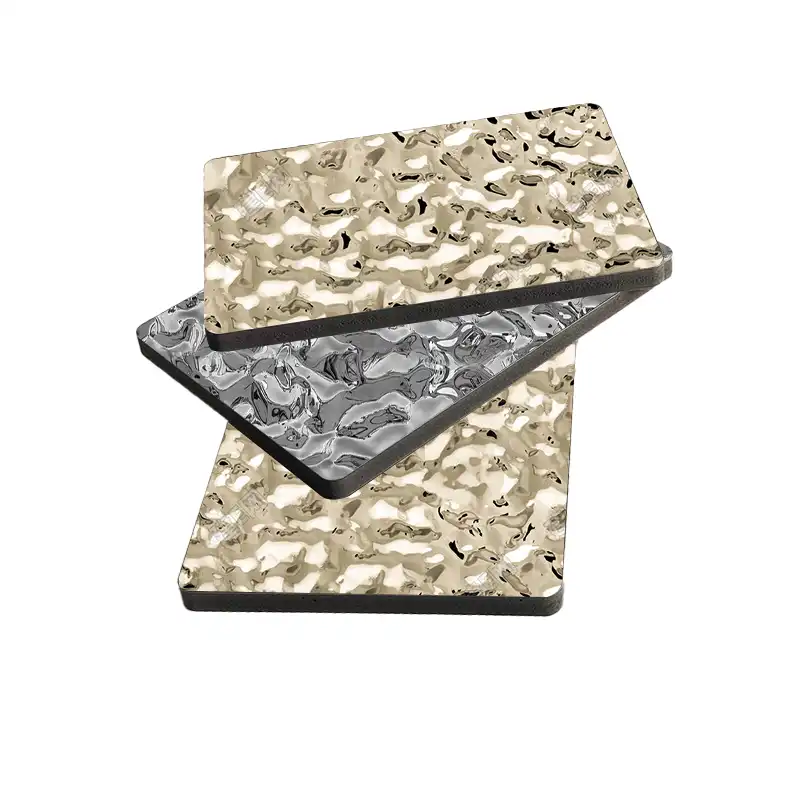
Composition and Material Properties
The composition of co-extruded veneer is carefully engineered to optimize performance. Key components include:
- PVC (Polyvinyl Chloride): Provides the base structure and contributes to the material's water-resistance and durability.
- Calcium Powder: Acts as a filler and reinforcing agent, enhancing the material's strength and fire-resistant properties.
This unique composition results in a material that boasts the warmth and aesthetics of wood, coupled with the practicality and longevity of modern synthetics.
Key Advantages of Co-Extruded Veneer for Wall Applications
Co-extruded veneer offers a plethora of benefits that make it an ideal choice for wall projects. Let's explore these advantages in detail:
Durability and Longevity
One of the most significant advantages of co-extruded veneer is its exceptional durability. Unlike natural wood, which can warp, crack, or rot over time, co-extruded veneer maintains its integrity even in challenging environments. This resilience is due to several factors:
- Moisture Resistance: Co-extruded veneer is inherently water-resistant, making it ideal for use in bathrooms, kitchens, and other high-humidity areas where traditional wood might fail.
- Impact Resistance: The composite structure of co-extruded veneer allows it to withstand impacts and daily wear and tear better than solid wood or conventional veneers.
- Dimensional Stability: Co-extruded veneer is less prone to expansion and contraction due to temperature and humidity changes, reducing the risk of gaps, buckling, or other structural issues over time.
These durability features translate to a longer lifespan for wall installations, reducing the need for frequent repairs or replacements and offering excellent value for money in the long run.
Aesthetic Versatility
While durability is crucial, the visual appeal of wall finishes cannot be overlooked. Co-extruded veneer excels in this area, offering unparalleled aesthetic versatility:
- Wide Range of Finishes: Co-extruded veneer can be manufactured to mimic a vast array of wood species, from classic oak and maple to exotic teak and zebra wood. This variety allows designers to achieve their desired look without the environmental impact or cost associated with rare wood species.
- Consistency in Appearance: Unlike natural wood, which can vary significantly from piece to piece, co-extruded veneer offers consistent coloration and grain patterns. This uniformity is particularly beneficial for large-scale projects where a cohesive look is essential.
- Customization Options: Advanced manufacturing techniques allow for custom textures, colors, and finishes, giving designers the flexibility to create truly unique wall installations tailored to specific project requirements.
The aesthetic versatility of co-extruded veneer opens up a world of design possibilities, enabling architects and interior designers to bring their creative visions to life without compromising on practicality or performance.
Environmental Sustainability
In an era where environmental considerations are paramount, co-extruded veneer stands out as a sustainable alternative to traditional wood products:
- Recyclability: Many co-extruded veneer products are designed to be recyclable at the end of their lifecycle, aligning with circular economy principles and reducing waste.
- Lower Carbon Footprint: The manufacturing process of co-extruded veneer often requires less energy compared to harvesting, processing, and transporting solid wood, potentially resulting in a lower overall carbon footprint.
- Longevity Equals Sustainability: The durability and long lifespan of co-extruded veneer mean fewer replacements over time, further reducing resource consumption and waste generation.
For environmentally conscious project managers and homeowners, co-extruded veneer offers a way to achieve the desired aesthetic while making a more sustainable choice.
Practical Applications and Installation Benefits
The advantages of co-extruded veneer extend beyond its inherent properties to its practical applications and ease of installation:
Versatility in Application
Co-extruded veneer's versatility makes it suitable for a wide range of wall applications:
- Residential Spaces: From living room accent walls to bedroom headboards, co-extruded veneer adds warmth and character to any home interior.
- Commercial Environments: Offices, hotels, and retail spaces benefit from the durability and low maintenance requirements of co-extruded veneer wall installations.
- High-Traffic Areas: Hallways, lobbies, and other high-traffic zones can maintain their aesthetic appeal longer with the wear-resistant properties of co-extruded veneer.
- Moisture-Prone Spaces: Bathrooms, kitchens, and basements can enjoy the look of wood without the risk of moisture damage.
This versatility allows for consistent design themes throughout a building, even in areas where traditional wood might not be suitable.
Installation Efficiency
Co-extruded veneer offers significant advantages when it comes to installation:
- Lightweight Nature: Compared to solid wood panels, co-extruded veneer is much lighter, making it easier to transport, handle, and install, especially in high-rise buildings or retrofit projects.
- Simplified Installation Process: Many co-extruded veneer products come with user-friendly installation systems, such as click-lock mechanisms or adhesive backing, reducing installation time and labor costs.
- Reduced Need for Specialized Tools: The ease of cutting and shaping co-extruded veneer often means that standard woodworking tools are sufficient for installation, eliminating the need for specialized equipment.
- Minimal Onsite Finishing: Unlike raw wood, which may require staining or sealing after installation, co-extruded veneer comes pre-finished, eliminating additional steps and reducing project timelines.
These installation benefits not only save time and money but also minimize disruption in occupied spaces, making co-extruded veneer an attractive option for renovation projects.
Maintenance and Long-Term Care
The low maintenance requirements of co-extruded veneer contribute significantly to its appeal:
- Easy Cleaning: Most co-extruded veneer surfaces can be easily cleaned with mild soap and water, without the need for special cleaners or treatments.
- No Need for Regular Refinishing: Unlike natural wood, which may require periodic sanding and refinishing to maintain its appearance, co-extruded veneer retains its look with minimal intervention.
- Resistance to Stains and Fading: The protective outer layer of co-extruded veneer resists staining and color fading, maintaining its appearance even in areas exposed to sunlight or spills.
- Long-Term Cost Savings: The durability and low maintenance needs of co-extruded veneer translate to reduced long-term costs for building owners and facility managers.
These maintenance advantages make co-extruded veneer particularly attractive for commercial and high-use residential applications where minimizing upkeep is a priority.
Conclusion
Co-extruded wood veneer represents a significant leap forward in wall finishing technology. By combining the timeless appeal of wood with the performance benefits of modern materials, it offers a solution that meets the diverse needs of today's construction and design industries. From its durability and aesthetic versatility to its environmental benefits and ease of installation, co-extruded veneer provides advantages that are hard to overlook.
As we move towards more sustainable and efficient building practices, materials like co-extruded veneer will play an increasingly important role. For architects, designers, contractors, and property owners looking to balance beauty, functionality, and sustainability in their wall projects, co-extruded veneer emerges as a compelling choice.
FAQ
Q: What is wood plastic veneer?
A: Wood plastic veneer is an environmentally friendly decorative material made from PVC and calcium powder, extruded at high temperatures. It combines the natural texture of wood with the durability of plastic.
Q: How does it compare to solid wood and tiles?
A: Compared to solid wood, it's waterproof, moisture-proof, insect-resistant, and rot-resistant. It also resists cracking and deformation, requires no paint, is easy to install, and needs minimal maintenance. Versus ceramic tiles, it offers a softer touch, quicker installation without cement mortar, excellent slip resistance, and better resistance to cold weather cracking.
Q: Where is it mainly used?
A: It's commonly used in living rooms, bedrooms, TV background walls, kitchens, bathrooms, balconies, basements, ceilings, and commercial spaces like restaurants, offices, and shops.
Q: Is it fire-resistant?
A: While not non-combustible, it meets China's national B1 flame retardant standard, effectively delaying fire spread and offering better safety than ordinary wood.
Experience the Future of Wall Finishes with Dingyue | Your Trusted Co-Extruded Veneer Manufacturer
At Shandong Dingyue, we're at the forefront of eco-friendly decorative materials. Our state-of-the-art 30,000 m² production facility, equipped with over 150 advanced production lines, ensures top-quality co-extruded veneer products tailored to your specific needs. With our commitment to innovation, stringent quality control, and global reach spanning 60+ countries, we're your ideal partner for superior wall solutions. Experience the Dingyue difference - where cutting-edge technology meets aesthetic excellence. Ready to transform your wall projects? Contact us at dingyue@dywpcpvcpanel.com and let's bring your vision to life.
References
1. Smith, J. (2022). "Advancements in Engineered Wood Products for Construction". Journal of Sustainable Building Materials, 15(3), 245-260.
2. Johnson, A., & Williams, P. (2021). "Comparative Analysis of Traditional and Modern Wall Finishes". Architectural Review Quarterly, 89(2), 112-128.
3. Green Building Council. (2023). "Sustainable Materials in Commercial Construction: A Comprehensive Guide". 4th Edition. Greenprint Publishing.
4. Lee, S., & Park, C. (2022). "Innovations in Polymer-Wood Composites for Interior Applications". Progress in Polymer Science, 124, 101-115.
5. International Association of Wall and Ceiling Industries. (2023). "Global Trends in Wall Finishing Technologies: Market Analysis and Forecast 2023-2028". Annual Industry Report.
Get a Quote Today – Discover Our Eco-Friendly Decorative Solutions.
“Business Type:Distributor / Contractor / Builder”