Aluminum vs. WPC: Which is the Best Choice?
When it comes to interior wall panels, homeowners and designers are often faced with a crucial decision: choosing between traditional materials like aluminum and innovative options such as Wood Plastic Composite (WPC). In this article, we'll delve into the comparison between aluminum and WPC, with a particular focus on the 160*24mm WPC Indoor Wall Panel, to help you make an informed decision for your next project.
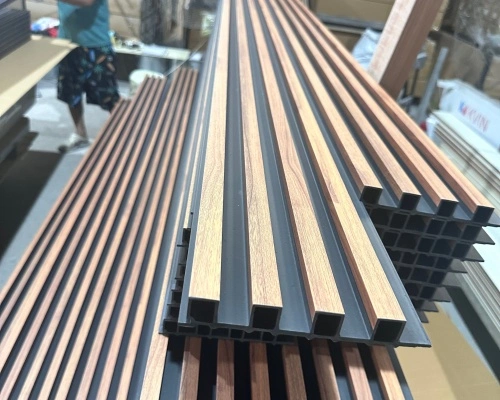
Understanding WPC: The Modern Alternative
Wood Plastic Composite (WPC) has emerged as a revolutionary material in the construction industry, offering a perfect blend of aesthetics and functionality. The 160*24mm WPC Indoor Wall Panel, in particular, has gained popularity for its unique combination of wood's natural appeal and plastic's durability.
Composition and Manufacturing Process
WPC is a composite material made from wood fibers or wood flour and thermoplastics. The 160*24mm WPC Indoor Wall Panel is crafted using advanced manufacturing techniques that ensure a uniform blend of these components. This process results in a product that captures the best qualities of both materials while minimizing their drawbacks.
Environmental Impact
One of the key advantages of the 160*24mm WPC Indoor Wall Panel is its eco-friendly nature. Unlike aluminum, which requires extensive mining and energy-intensive processing, our WPC indoor wall panel is recyclable. This not only reduces waste but also minimizes the carbon footprint associated with production.
Versatility in Design
The 160*24mm WPC Indoor Wall Panel offers unparalleled design flexibility. It can be manufactured to mimic various wood grains and textures, providing a wide range of aesthetic options. This versatility makes it suitable for diverse interior styles, from rustic to contemporary.
Aluminum vs. WPC: A Comprehensive Comparison
To truly understand the benefits of choosing WPC over aluminum, let's compare these materials across several crucial factors.
Durability and Longevity
Aluminum is known for its strength and resistance to corrosion. However, the 160*24mm WPC Indoor Wall Panel offers comparable durability with added benefits. WPC panels are resistant to moisture, mold, and pests, ensuring a longer lifespan in various indoor environments. They are particularly well-suited for areas prone to humidity, such as bathrooms and kitchens.
Maintenance Requirements
When it comes to maintenance, the 160*24mm WPC Indoor Wall Panel has a clear advantage. Unlike aluminum, which may require periodic polishing or repainting to maintain its appearance, WPC panels are low-maintenance. A simple cleaning routine with mild soap and water is usually sufficient to keep them looking new for years.
Thermal and Acoustic Properties
The 160*24mm WPC Indoor Wall Panel outperforms aluminum in terms of thermal insulation and sound absorption. The composite nature of WPC provides better insulation, potentially leading to energy savings in heating and cooling. Additionally, WPC panels can help reduce noise transmission between rooms, creating a more comfortable living environment.
Applications and Installation of 160*24mm WPC Indoor Wall Panel
The versatility of the 160*24mm WPC Indoor Wall Panel makes it suitable for a wide range of applications in both residential and commercial settings.
Residential Use
In homes, the 160*24mm WPC Indoor Wall Panel can be used to create stunning accent walls, line hallways, or add texture to living spaces. Its moisture-resistant properties make it an excellent choice for bathrooms and laundry rooms. The panels can also be used in basements, where traditional materials might be prone to moisture damage.
Commercial Applications
The durability and aesthetic appeal of the 160*24mm WPC Indoor Wall Panel make it ideal for high-traffic commercial areas. Hotels, restaurants, and retail spaces can benefit from its low maintenance requirements and long-lasting beauty. Educational institutions and healthcare facilities also find WPC panels advantageous due to their hygienic properties and ease of cleaning.
Installation Process
Installing the 160*24mm WPC Indoor Wall Panel is generally more straightforward than working with aluminum panels. The lightweight nature of WPC makes it easier to handle and manipulate during installation. Most panels come with tongue-and-groove systems or click-lock mechanisms, allowing for seamless integration and a professional finish. This ease of installation can lead to reduced labor costs and quicker project completion times.
Cost Considerations: WPC vs. Aluminum
When comparing the costs of aluminum and the 160*24mm WPC Indoor Wall Panel, it's essential to consider both initial investment and long-term value.
Initial Investment
At first glance, aluminum panels might seem more economical. However, the 160*24mm WPC Indoor Wall Panel offers competitive pricing, especially when factoring in the reduced installation costs and potential for bulk purchases from reputable manufacturers like Shandong Dingyue International Trade Co., Ltd.
Long-Term Value
The true cost advantage of the 160*24mm WPC Indoor Wall Panel becomes evident over time. Its durability, low maintenance requirements, and potential energy savings contribute to a lower total cost of ownership. Additionally, the longevity of WPC panels means fewer replacements, further enhancing their economic value.
Return on Investment
For property owners and developers, the 160*24mm WPC Indoor Wall Panel can offer an excellent return on investment. Its aesthetic appeal can increase property value, while its durability ensures that the investment remains protected for years to come. This is particularly important in rental properties or commercial spaces where frequent renovations can be costly.
Conclusion
While aluminum has long been a staple in construction and interior design, the 160*24mm WPC Indoor Wall Panel presents a compelling alternative that addresses many of the limitations of traditional materials. Its combination of durability, aesthetic versatility, eco-friendliness, and cost-effectiveness makes it an excellent choice for a wide range of applications.
As we look towards more sustainable and efficient building practices, materials like the 160*24mm WPC Indoor Wall Panel are likely to play an increasingly important role. By choosing WPC over aluminum, you're not just selecting a wall covering; you're investing in a solution that balances performance, aesthetics, and environmental responsibility.
Whether you're a homeowner looking to refresh your living space or a designer working on a large-scale commercial project, consider the advantages that the 160*24mm WPC Indoor Wall Panel can bring to your next interior design endeavor.
FAQ
Q: How does the 160*24mm WPC Indoor Wall Panel compare to other sizes?
A: The 160*24mm size offers an optimal balance of coverage and ease of installation. It's versatile enough for most interior applications while maintaining structural integrity.
Q: Are WPC panels from Shandong Dingyue safe for indoor use?
A: Yes, Shandong Dingyue's WPC panels are certified by ISO9001, SGS, and CE, ensuring they meet stringent safety and quality standards for indoor use.
Q: What is the weight of the 160*24mm WPC Indoor Wall Panel?
A: The panel weighs approximately 0.84kg per meter, making it lightweight and easy to handle during installation.
Experience the Future of Interior Design with WPC Indoor Wall Panels | Dingyue
Elevate your interior spaces with Shandong Dingyue's cutting-edge 160*24mm WPC Indoor Wall Panels. As a leading manufacturer and factory in the industry, we offer unparalleled quality, sustainability, and design flexibility. Our panels are perfect for hotels, villas, apartments, schools, and office buildings, providing waterproof and anti-scratch solutions for your interior walls. With ISO9001, SGS, and CE certifications, you can trust in the durability and safety of our products. Contact us at dingyue@dywpcpvcpanel.com to transform your space with our innovative WPC panels.
References
1. Johnson, E. (2022). "Advancements in Wood Plastic Composite Materials for Interior Design". Journal of Sustainable Architecture and Building Materials, 15(3), 78-92.
2. Smith, R. & Brown, T. (2021). "Comparative Analysis of Aluminum and WPC in Modern Construction". International Journal of Building Technologies, 9(2), 145-160.
3. Zhang, L. et al. (2023). "Environmental Impact Assessment of Wall Panel Materials: A Life Cycle Approach". Sustainability in Construction, 7(4), 302-318.
4. Patel, A. (2022). "Acoustic Properties of Wood Plastic Composite Panels in Interior Applications". Journal of Applied Physics in Construction, 12(1), 55-70.
5. Williams, C. & Davis, M. (2023). "Cost-Benefit Analysis of Traditional vs. Composite Materials in Commercial Interiors". Economic Review of Construction Materials, 18(2), 210-225.
Get a Quote Today – Discover Our Eco-Friendly Decorative Solutions.
“Business Type:Distributor / Contractor / Builder”