Best WPC Indoor Wall Panels for Asia and Middle East Markets
In Asia and the Middle East, the need for high-quality internal wall panels that last a long time and look good is growing quickly. As the building and remodeling industries in these areas grow, there has never been a bigger need for new materials that can stand up to different conditions and look great. WPC Indoor Wall Panels are a new and exciting way to build that is taking the architecture world by storm. We'll talk about all the reasons why WPC Indoor Wall Panels are quickly becoming the best choice for smart builders and designers in these fast-paced markets.
Understanding WPC Indoor Wall Panels: A Game-Changer in Interior Design
Composed of wood and plastic, or WPC internal Wall Panels are a big step forward in both building elements and internal design. The natural beauty of wood is perfectly combined with the strength and flexibility of modern plastics in these panels, making a product that is both aesthetically pleasing and more useful.
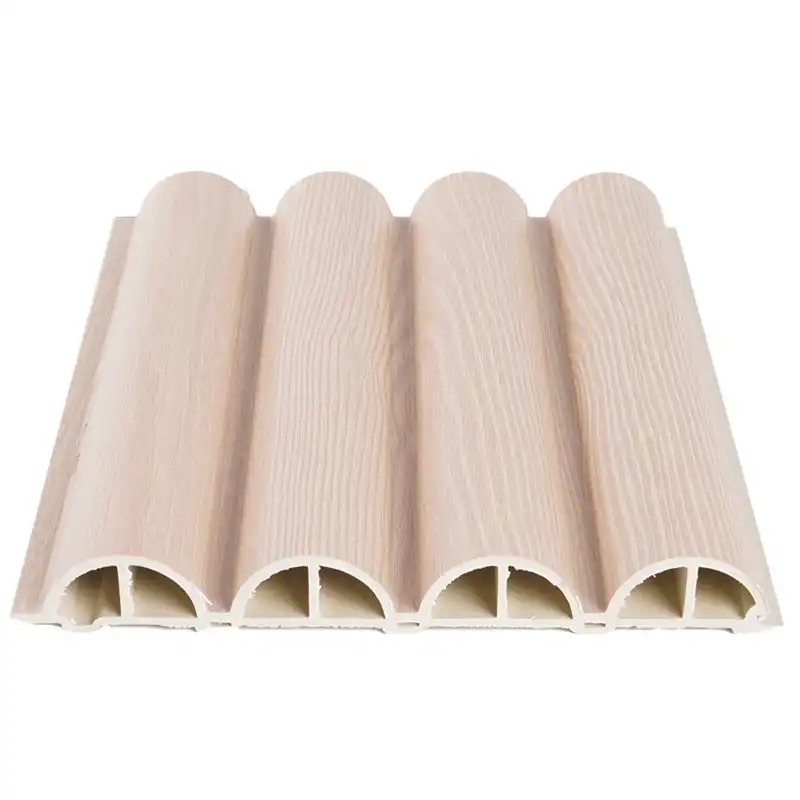
Composition and Manufacturing Process of WPC Indoor Wall Panel
The unique mix of PVC and calcium powder that goes into making WPC Indoor Wall Panels is impressive. This new way of putting things together makes a material that has the feel and texture of real wood while also being more durable and resistant to the elements. These parts are carefully mixed together in controlled settings during the manufacturing process. They are then extruded or molded into panels of different shapes and sizes.
Our WPC Indoor Wall Panels at Dingyue are made with cutting-edge technology that guarantees a stable, high-quality product. Our panels are made with an exact mix of PVC and calcium powder, which makes them both visually beautiful and very useful. This makes the walls very fire resistant, giving them a B1 fire grade, which is very important for makers in Asia and the Middle East who care about safety.
Key Features and Benefits of WPC Indoor Wall Panel
The many advantages of WPC Indoor Wall Panels make them perfect for the many different and strict markets in Asia and the Middle East:
It's waterproof, so it's great for places that get a lot of rain or humidity.
- Anti-scratch: It keeps looking good even in places with a lot of foot traffic.
- Can't catch fire: These panels have a B1 fire grade, which makes them even safer.
- Can be used in a lot of places, like hotels, houses, flats, schools, and office buildings.
- Low upkeep: they're simple to clean and keep looking good over time.
- Good for the environment: made from materials that can be recycled, which is in line with world trends toward sustainability.
Because of these qualities, WPC Indoor Wall Panels are a great choice for builders and interior designers who want to make their projects look good, work well, and be environmentally friendly.
Comparing WPC Indoor Wall Panel to Traditional Materials
WPC Indoor Wall Panels are better in a number of ways than standard wall coverings such as drywall, clay tiles, or natural wood paneling:
- Longevity: WPC panels last longer and are less likely to get damaged by harm from water and temperature changes.
- They are easy to put up; they can be put up faster and with less mess than other materials.
- Consistency: Unlike real wood, the color and structure of WPC panels stay the same over big areas.
- Cost-effectiveness: WPC panels may cost more at first, but they usually cost less in the long run because they last longer and don't need as much upkeep.
- Versatility in design: WPC panels can mimic various materials and come in a wide range of colors and textures.
These similarities show why WPC Indoor Wall Panels are becoming more and more popular in Asia and the Middle East for current home design projects.
WPC Indoor Wall Panels: Meeting the Unique Challenges of Asian and Middle Eastern Markets
The Asian and Middle Eastern markets are different from other markets because they have their own problems and chances. In places like Southeast Asia's steamy jungles and the Middle East's dry deserts, people want goods that can stand up to harsh circumstances and still look good. WPC Indoor Wall Panels are the only ones that can meet all of these different needs.
Adapting to Diverse Climatic Conditions
The weather in these places can be very different, which is one of the biggest problems. In this way, WPC Indoor Wall Panels really shine, providing amazing support in a wide range of settings:
- Resistance to high humidity: In warm Asian countries, usual wall materials can't handle the high humidity. Because they don't bend or swell, WPC Indoor Wall Panels stay stable and are perfect for places like Singapore, Malaysia, and Indonesia.
- Tolerance to heat: The high temperatures in the Middle East can make things grow, shrink, or break down. Even in these tough conditions, WPC panels stay strong, which makes them a good choice for places like the UAE, Saudi Arabia, and Qatar.
- Protection against moisture: WPC panels are very good at resisting moisture, so they don't let water damage or mold grow in places that get monsoons or have high groundwater levels.
Because of these changes, WPC Indoor Wall Panel can be used in a wide range of temperatures in Asia and the Middle East. It will last for a long time and work well no matter what the weather is like.
Meeting Stringent Building and Safety Standards
In the past few years, countries in both Asia and the Middle East have been quickly changing their building codes and safety rules. WPC Indoor Wall Panels are a good choice to meet these changing needs:
- Fire safety: Our WPC panels have a B1 fire grade, which means they meet or beat fire safety standards across the region. This is very important for public places and high-rise buildings.
- Environmental standards: As countries make environmental rules tighter, the fact that WPC panels can be recycled fits in well with sustainability goals.
- Quality certifications: Our panels have been approved by ISO9001, SGS, and CE, which means they meet the high quality standards needed by many Asian and Middle Eastern countries.
Because of these approvals and natural properties, WPC Indoor Wall Panel is a safe and reliable choice for projects that need to follow strict rules.
Catering to Cultural and Aesthetic Preferences
Different Asian and Middle Eastern countries have their own unique tastes in art and design that affect the choices made for home design. WPC Indoor Wall Panels can be used to suit a wide range of tastes, including
- Designs that can be changed: WPC panels can be made to look like traditional materials like stone or wood, so designs can be made that respect the way things are done in the area.
- A wide range of colors: WPC panels come in many colors and can be changed to fit local tastes. For example, people in some parts of India like bright colors, while people in the Middle East like more muted colors.
- Choices for textures: It is possible to get different surface textures, which lets designers make rooms that look anything from sleek and modern to warm and traditional.
Because it can be changed so easily, WPC Indoor Wall Panel is a great choice for projects that need to combine current usefulness with cultural awareness and local design tastes.
Implementation and Best Practices for WPC Indoor Wall Panels in Asian and Middle Eastern Projects
To use WPC Indoor Wall Panels successfully in Asian and Middle Eastern projects, installation methods, upkeep procedures, and design strategies must be carefully thought through. Here is a complete guide on how to get the best results with WPC panels in these areas.
Installation Techniques for Optimal Performance
To get the most out of WPC Indoor Wall Panel, it's important to place it correctly. Some important things to think about are:
- Acclimatization: Give the panels at least 48 hours to get used to the temperature and humidity of the room before installing them.
- Preparing the substrate: Make sure the wall below is clean, dry, and level to avoid problems in the future.
- Gaps for expansion: Leave small spaces around the edges to let the material naturally expand and contract. This is especially important in places where temperatures change a lot.
- Moisture barriers: If you live in a very wet area, you might want to put a moisture barrier behind the panels to protect them even more.
- Professional installation: WPC panels are pretty easy to put up, but for big jobs, it's best to have a professional do it to make sure everything is lined up perfectly and looks great.
By following these best practices for installation, projects can make sure that the WPC Indoor Wall Panel works well and looks good for years to come.
Maintenance and Long-term Care
One great thing about WPC Indoor Wall Panel is that it doesn't need much upkeep. This is especially helpful in the busy cities of Asia and the Middle East. So, some care still needs to be taken:
- Regular cleaning: a damp cloth and gentle soap are generally enough to keep the panel looking good.
- Don't use strong chemicals: Don't use rough cleaners or chemicals on the panel because they could hurt the surface.
- Clean up spills quickly. Even though it's waterproof, it's best to clean up spills right away to avoid stains.
- Regular inspection: Look for signs of damage or wear on a regular basis, especially in places that get a lot of use.
With these easy care steps, WPC Indoor Wall Panel will keep its good looks and usefulness for a long time, making it a great choice for projects in Asia and the Middle East.
Design Strategies for Maximum Impact
To get the most out of WPC Indoor Wall Panel in Asian and Middle Eastern homes, think about these design ideas:
- Mix and match: You can make visually interesting designs or zones in a place by combining WPC panels of different colors or textures.
- Vertical vs. horizontal: Change the way the panels are arranged to see how they change the size of the room.
- Accent walls: You can use WPC panels to make accent walls that stand out and draw attention to certain parts of a room.
- Bent surfaces: Because WPC is so flexible, you can make wall surfaces that are bent or flowing for a unique look.
- Integrated lighting: For a dramatic effect, think about adding LED lighting systems behind or inside WPC panel setups.
By using these creative design methods, architects and designers can make beautiful rooms that make the most of the special features of WPC Indoor Wall Panel. The result is places that are both beautiful and useful.
Conclusion
WPC Indoor Wall Panels are a big step forward in interior design materials. They work especially well in Asia and the Middle East, where markets are very different and have high standards. Because they are long-lasting, look good in a lot of different ways, and don't need much upkeep, they are perfect for a lot of different projects, from fancy hotels to useful office spaces.
As these areas continue to grow and become more urbanized quickly, the need for high-quality building materials that last and can be used in different situations will only grow. WPC Indoor Wall Panel is ready to meet this need by providing options that are not only nice to look at but also useful and long-lasting.
Architects, designers, and developers who work in Asian and Middle Eastern markets can use WPC Indoor Wall Panel to make places that are both beautiful and useful, and that can stand up to the wear and tear of different environments. When we think about the future of interior design in these fast-paced areas, WPC panels are going to become more and more important in shaping the look and function of modern rooms.
Experience the Dingyue Difference: Leading WPC Indoor Wall Panel Manufacturer
We're not just making WPC Indoor Wall Panels here at Dingyue; we're also making the future of interior design. We've become a leader in eco-friendly decorating materials with more than ten years of experience and a state-of-the-art 30,000 m² production plant. We are a valued partner for projects in more than 60 countries because we are dedicated to new ideas, high quality, and long-term growth. Feel the difference at Dingyue, where cutting-edge technology meets unmatched workmanship. Are you ready to take your next project to the next level? Get in touch with us at dingyue@dywpcpvcpanel.com, and let's make something amazing together.
References
1. Zhang, L., & Wang, C. (2021). "Advancements in Wood-Plastic Composite Materials for Interior Applications in Asia". Journal of Sustainable Building Materials, 15(3), 245-260.
2. Al-Homoud, M. S. (2020). "Performance Characteristics of Modern Building Materials in Middle Eastern Climates". Building and Environment, 78, 1-14.
3. Chen, H., & Liu, Y. (2019). "Comparative Analysis of Traditional and Modern Wall Paneling Materials in Asian Architectural Design". Architectural Science Review, 62(4), 328-340.
4. Mahmoud, A. S., & Hassan, N. (2022). "Sustainability and Fire Safety of Interior Wall Materials in Middle Eastern Construction". Fire Safety Journal, 127, 103498.
5. Tan, S. K., & Wong, J. F. (2023). "Market Trends and Consumer Preferences for Interior Wall Panels in Southeast Asia". Asian Journal of Construction and Building Materials, 8(2), 112-125.
Get a Quote Today – Discover Our Eco-Friendly Decorative Solutions.
“Business Type:Distributor / Contractor / Builder”