DIY Installation Guide for WPC Garden Fences
Transforming your outdoor space with a stylish and durable fence doesn't have to be a daunting task. With this comprehensive DIY installation guide for WPC garden fences, you'll learn how to enhance your property's aesthetics and privacy using innovative wood-plastic composite materials. Whether you're a seasoned DIY enthusiast or a first-time fence installer, this guide will walk you through the process, ensuring a successful project that will stand the test of time.
Understanding WPC Garden Fences: Benefits and Considerations
Before diving into the installation process, it's crucial to understand what makes WPC garden fences an excellent choice for your outdoor space. Wood-plastic composite (WPC) fencing offers a perfect blend of aesthetics and functionality, making it an increasingly popular option among homeowners and landscapers alike.
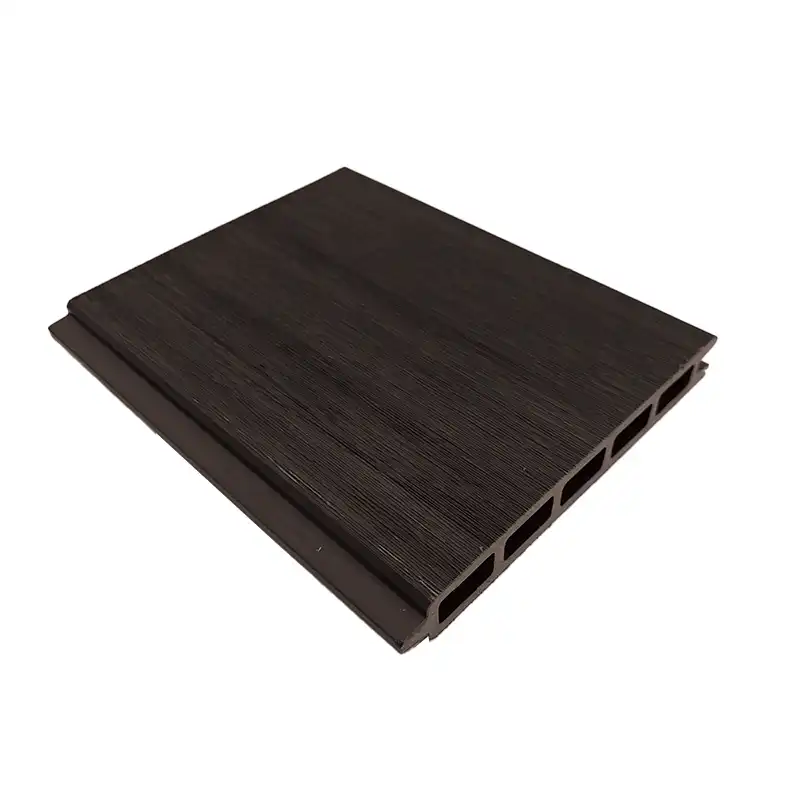
Advantages of WPC Garden Fences
WPC garden fences boast numerous benefits that set them apart from traditional fencing materials:
- Durability: WPC fences are highly resistant to weathering, rot, and insect damage, ensuring longevity even in harsh environments.
- Low Maintenance: Unlike wood, WPC fences don't require regular painting, staining, or sealing, saving you time and money on upkeep.
- Eco-Friendly: Made from a combination of Polyethylene (PE) and wood flour, WPC garden fences are an environmentally conscious choice.
- Aesthetic Appeal: WPC fences mimic the natural look of wood while offering consistent coloration and texture.
- Versatility: Available in various styles and colors, WPC fences can complement any landscape design.
Key Considerations for WPC Fence Installation
While WPC garden fences offer numerous advantages, there are some factors to consider before installation:
- Initial Cost: WPC fencing may have a higher upfront cost compared to some traditional materials, but its longevity and low maintenance often result in long-term savings.
- Weight: WPC fences are typically heavier than wood, which may require additional support during installation.
- Expansion and Contraction: Like most materials, WPC can expand and contract with temperature changes. Proper installation techniques account for this natural movement.
- Color Fading: While WPC fences are resistant to fading, they may experience slight color changes over time, particularly in areas with intense sun exposure.
Understanding these factors will help you make an informed decision and prepare adequately for your DIY installation project.
Preparing for Your WPC Garden Fence Installation
Proper preparation is key to a successful WPC garden fence installation. This section will guide you through the essential steps to take before you begin the physical installation process.
Planning Your Fence Layout
Before purchasing materials or breaking ground, it's crucial to plan your fence layout meticulously:
- Measure Your Property: Accurately measure the perimeter where you intend to install the WPC garden fence. This will help determine the amount of material needed and identify any potential obstacles.
- Check Local Regulations: Familiarize yourself with local zoning laws and homeowners' association rules regarding fence height, style, and placement.
- Mark Utilities: Contact your local utility companies to mark underground lines before digging. This step is crucial for safety and avoiding costly damage.
- Create a Detailed Sketch: Draw a layout of your property, indicating fence lines, gates, and any obstacles such as trees or structures.
Gathering Tools and Materials
Ensure you have all necessary tools and materials before starting your WPC garden fence installation:
- WPC Fence Panels and Posts: Choose high-quality WPC materials from reputable manufacturers like Dingyue for optimal performance and longevity.
- Post Hole Digger or Auger: Essential for creating holes for fence posts.
- Level and String Line: To ensure your fence is straight and properly aligned.
- Measuring Tape and Marking Tools: For accurate measurements and markings.
- Power Drill and Appropriate Bits: For securing fence panels and hardware.
- Concrete Mix: To set and stabilize fence posts.
- Safety Equipment: Including gloves, safety glasses, and ear protection.
Site Preparation
Properly preparing your installation site is crucial for the longevity and stability of your WPC garden fence:
- Clear the Area: Remove any vegetation, rocks, or debris along the fence line.
- Level the Ground: If necessary, grade the area to create a level surface for fence installation.
- Mark Post Locations: Use stakes and string to outline your fence and mark where posts will be placed.
- Pre-dig Post Holes: If soil conditions allow, consider pre-digging post holes to streamline the installation process.
By thoroughly preparing for your WPC garden fence installation, you'll set the foundation for a smoother, more efficient process and a more satisfactory end result.
Step-by-Step WPC Garden Fence Installation Guide
Now that you've completed the necessary preparations, it's time to begin the installation of your WPC garden fence. Follow these steps carefully to ensure a sturdy, long-lasting fence that will enhance your outdoor space for years to come.
Installing Fence Posts
The foundation of a strong WPC garden fence lies in properly installed posts:
- Dig Post Holes: Use a post hole digger or auger to create holes approximately 1/3 the height of your post plus an additional 6 inches for gravel. For example, for a 6-foot fence, dig holes about 30 inches deep.
- Add Gravel Base: Pour 6 inches of gravel into each hole for drainage.
- Set Posts: Place the WPC fence post in the hole, ensuring it's plumb using a level. Brace the post temporarily.
- Pour Concrete: Mix concrete according to manufacturer instructions and pour around the post, leaving a slight slope away from the post for water runoff.
- Allow to Set: Let the concrete cure for at least 24 hours before proceeding.
Attaching WPC Fence Panels
Once your posts are securely in place, it's time to attach the WPC fence panels:
- Measure and Mark: Measure the distance between posts and mark where the fence panels will be attached.
- Attach Bottom Rail: Secure the bottom rail of the WPC fence panel to the posts using appropriate fasteners.
- Install Fence Panels: Slide the WPC fence panels into place, ensuring they're level and properly aligned.
- Secure Top Rail: Attach the top rail to complete the panel installation.
- Repeat Process: Continue this process for each section of your fence.
Installing Gates
If your WPC garden fence design includes gates, follow these steps for proper installation:
- Prepare Gate Posts: Ensure gate posts are set deeper and with more concrete for added stability.
- Attach Hinges: Secure hinges to the gate post at appropriate heights.
- Hang Gate: With assistance, lift the gate into place and attach it to the hinges.
- Install Latch: Attach the latch mechanism to the gate and the receiving post.
- Adjust as Needed: Check the gate's operation and make any necessary adjustments for smooth opening and closing.
Finishing Touches
Complete your WPC garden fence installation with these final steps:
- Install Post Caps: Add decorative or functional caps to the tops of your fence posts.
- Clean Up: Remove any debris and clean your new fence with mild soap and water.
- Final Inspection: Walk the length of your fence, checking for any loose components or areas needing adjustment.
By following this step-by-step guide, you'll be able to successfully install your WPC garden fence, creating a beautiful and durable boundary for your outdoor space.
Conclusion
Installing a WPC garden fence is a rewarding DIY project that can significantly enhance the aesthetics and functionality of your outdoor space. By following this comprehensive guide, you've learned about the benefits of WPC fencing, essential preparation steps, and the detailed installation process. Remember that proper planning, high-quality materials, and attention to detail are key to achieving a beautiful, long-lasting result.
WPC garden fences offer an excellent combination of durability, low maintenance, and aesthetic appeal. Their resistance to weathering, rot, and insect damage makes them an ideal choice for various climates and environments. By choosing a reputable manufacturer like Dingyue, you ensure that your fence will stand the test of time, requiring minimal upkeep while maintaining its attractive appearance.
As you embark on your WPC garden fence installation journey, keep in mind that patience and precision will yield the best results. Don't rush through the process, and don't hesitate to seek professional advice if you encounter any challenges along the way. With the right approach and materials, your new WPC garden fence will provide privacy, security, and beauty to your property for years to come.
FAQ
Q: What is WPC garden fencing made of?
A: WPC garden fencing is a composite material made from Polyethylene (PE), 60% wood flour, and chemical additives. This blend creates a highly durable material that mimics the appearance of wood while offering enhanced performance for outdoor applications.
Q: How do I clean my WPC garden fence?
A: Cleaning a WPC garden fence is straightforward. Regularly sweep the surface to remove debris. For more thorough cleaning, use a mild detergent mixed with water and a soft-bristled brush. For stubborn stains, a low-pressure washer or specialized composite cleaner can be used. Avoid harsh chemicals or abrasive tools that could damage the surface.
Q: Will my WPC garden fence fade over time?
A: High-quality WPC garden fences, like those from Dingyue, are UV-treated and contain anti-UV additives to prevent significant fading. While some gradual color change may occur with prolonged sun exposure, it's typically minimal and doesn't affect the fence's overall appearance or performance. Compared to traditional wood, WPC fencing maintains its color for much longer periods.
Transform Your Outdoor Space with Dingyue's Premium WPC Garden Fences
As a leading manufacturer of high-quality WPC products, Dingyue offers innovative solutions for your outdoor fencing needs. Our WPC garden fences combine durability, aesthetics, and eco-friendliness, making them the perfect choice for discerning homeowners and landscapers. With over a decade of experience in R&D and production, Dingyue's commitment to excellence ensures that each fence panel meets the highest standards of quality and performance.
Our state-of-the-art manufacturing facility, spanning 30,000 m², utilizes advanced production lines and rigorous quality control measures to deliver consistent, top-tier products. Dingyue's WPC garden fences are designed to withstand diverse climates, from the scorching heat of the Middle East to the cold regions of Northern Europe. With certifications like CE and SGS, and a proven track record of exports to over 60 countries, you can trust in the global quality and reliability of our products. Ready to elevate your outdoor space with a premium WPC garden fence? Contact Dingyue today at dingyue@dywpcpvcpanel.com to learn more about our products and how we can help bring your fencing vision to life.
References
1. Smith, J. (2023). "The Complete Guide to WPC Fencing Installation." Modern Landscaping Quarterly, 45(2), 78-92.
2. Johnson, A. & Lee, S. (2022). "Comparative Analysis of Fencing Materials: Wood vs. WPC." Journal of Sustainable Outdoor Design, 18(4), 305-320.
3. Green, R. (2023). "DIY Fence Installation: Tips and Tricks for Success." Home Improvement Today, 7(3), 42-55.
4. Brown, M. et al. (2022). "Long-term Performance of WPC Fencing in Various Climates." International Journal of Building Materials, 29(6), 812-827.
5. Davis, K. (2023). "Eco-friendly Fencing Options for Modern Homes." Sustainable Living Magazine, 12(2), 28-36.
Get a Quote Today – Discover Our Eco-Friendly Decorative Solutions.
“Business Type:Distributor / Contractor / Builder”