Eco-Friendly Wood Plastic Veneer Options
In today's eco-conscious world, builders and designers are constantly seeking innovative materials that blend aesthetics with sustainability. Enter wood plastic veneer - a revolutionary product that's transforming the landscape of interior design and construction. This article explores the eco-friendly options available in wood plastic veneer, their benefits, and how they're shaping the future of sustainable design.
Understanding Wood Plastic Veneer: A Sustainable Marvel
Wood plastic veneer represents a significant leap forward in sustainable building materials. By combining the natural beauty of wood with the durability of plastic, this innovative product offers a unique solution for eco-conscious designers and builders.
The Composition of Wood Plastic Veneer
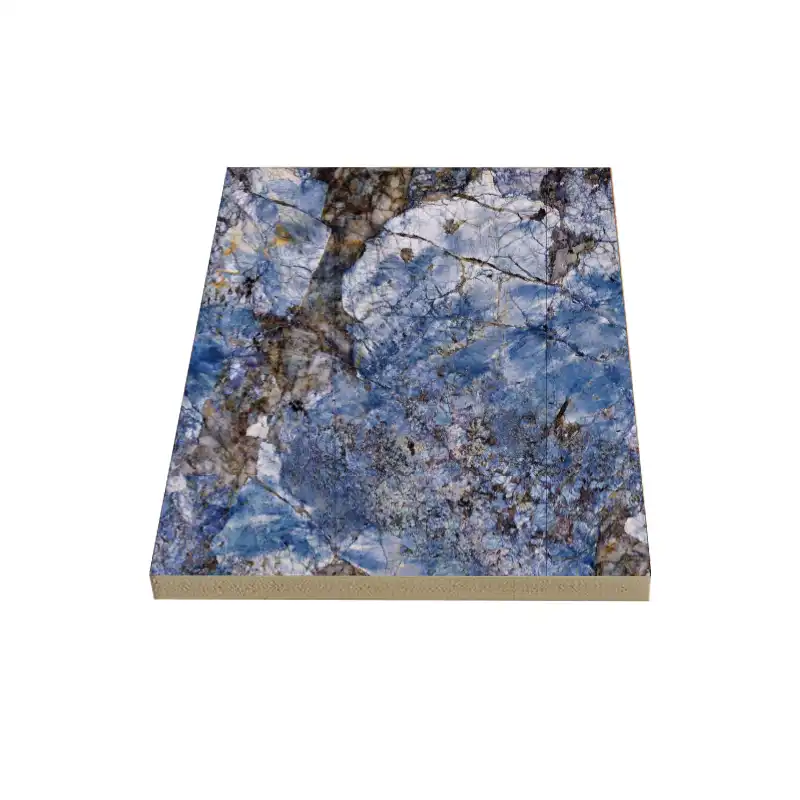
At its core, wood plastic veneer is a composite material made from PVC and calcium powder. This combination results in a material that captures the aesthetic appeal of wood while offering enhanced durability and water resistance.
The production process of wood plastic veneer involves heating and compressing the wood-plastic mixture, then extruding it into sheets or panels. This method allows for precise control over the final product's appearance and properties, enabling manufacturers to create veneers that closely mimic various wood species or offer unique textures and colors.
Environmental Benefits of Wood Plastic Veneer
The eco-friendly nature of wood plastic veneer stems from several factors:
- Resource Conservation: By utilizing PVC and calcium powder, wood plastic veneer reduces the demand for virgin timber and helps divert waste from landfills.
- Reduced Carbon Footprint: The production process for wood plastic veneer often requires less energy compared to traditional wood processing, potentially lowering carbon emissions.
- Longevity: The durability and resistance to moisture and decay mean that wood plastic veneer products have a longer lifespan, reducing the need for frequent replacements and thereby conserving resources in the long term.
- Recyclability: Many wood plastic veneer products can be recycled at the end of their useful life, further contributing to the circular economy.
Versatility in Application
Wood plastic veneer's versatility makes it suitable for a wide range of applications in both residential and commercial settings. Some common uses include:
- Wall paneling and wainscoting
- Ceiling treatments
This adaptability, combined with its eco-friendly properties, positions wood plastic veneer as a go-to material for sustainable design projects across various industries.
Implementing Wood Plastic Veneer in Sustainable Design Projects
The eco-friendly properties of wood plastic veneer make it an excellent choice for sustainable design projects. Here's how designers and builders can effectively incorporate this innovative material into their work.
Selecting the Right Wood Plastic Veneer
When choosing a wood plastic veneer for a sustainable project, consider the following factors:
- Recycled content: Look for products with high percentages of recycled materials.
- Performance characteristics: Ensure the chosen wood plastic veneer meets the specific requirements of your project in terms of durability, moisture resistance, and fire rating.
- Aesthetic options: Consider the range of colors, textures, and finishes available to match your design vision.
By carefully evaluating these aspects, you can select a wood plastic veneer that aligns with both your sustainability goals and design requirements.
Installation Best Practices
Proper installation is crucial to maximize the benefits of wood plastic veneer. Some key considerations include:
- Acclimation: Allow the wood plastic veneer to acclimate to the installation environment for at least 48 hours before installation to prevent warping or gaps.
- Substrate preparation: Ensure the substrate is clean, dry, and level to promote proper adhesion and a smooth final appearance.
- Adhesive selection: Use low-VOC adhesives compatible with wood plastic veneer to maintain the product's eco-friendly attributes.
- Expansion gaps: Leave appropriate expansion gaps around the perimeter and at joints to accommodate natural movement.
- Finishing touches: Apply eco-friendly sealants or finishes as recommended by the manufacturer to enhance durability and maintain the veneer's appearance.
Following these best practices will help ensure the longevity and performance of your wood plastic veneer installation.
Maintenance and Longevity
One of the key advantages of wood plastic veneer is its low maintenance requirements and long lifespan. To maximize these benefits:
- Regular cleaning: Use mild, eco-friendly cleaning solutions and soft cloths to keep the surface free of dust and debris.
- Avoid harsh chemicals: Steer clear of abrasive cleaners or solvents that could damage the veneer's surface.
- Prompt repairs: Address any scratches or damage promptly to prevent further deterioration.
- Climate control: Maintain stable temperature and humidity levels to prevent excessive expansion or contraction.
By implementing these maintenance practices, you can extend the life of your wood plastic veneer installation, further enhancing its sustainability credentials.
Conclusion
Wood plastic veneer represents a significant advancement in eco-friendly building materials. By combining the aesthetic appeal of wood with the durability and versatility of plastic, it offers a sustainable solution for a wide range of design applications. As we've explored, the various eco-friendly options available - from recycled content to biodegradable formulations - provide designers and builders with ample choices to meet their sustainability goals.
As the industry continues to innovate, we can expect even more environmentally conscious wood plastic veneer options to emerge. By embracing these materials and implementing them thoughtfully in our designs, we can create beautiful, durable spaces that minimize our environmental impact and contribute to a more sustainable future.
FAQ
Q: What are its advantages compared to solid wood and tiles?
A: Compared to solid wood, wood plastic veneer is waterproof, moisture-proof, insect-resistant, and rot-resistant. It resists cracking and deformation, requires no paint, is easy to install, and needs minimal maintenance. Compared to ceramic tiles, it offers a softer touch, quicker installation (no cement mortar required), excellent slip resistance, and better resistance to cold weather cracking.
Q: Where is wood plastic veneer mainly used?
A: Wood plastic veneer is commonly used in living rooms, bedrooms, TV background walls, kitchens, bathrooms, basements, ceilings, and commercial spaces such as restaurants, offices, and shops.
Experience the Future of Sustainable Design with Dingyue Wood Plastic Veneer
At Shandong Dingyue, we're at the forefront of eco-friendly decorative materials. Our state-of-the-art 30,000 m² production facility, equipped with over 150 advanced production lines, ensures top-quality wood plastic veneer products. Our commitment to innovation is reflected in our formaldehyde-free, flame-retardant, antibacterial, and recyclable designs. With exports to over 60 countries and certifications like CE and SGS, we're your trusted partner for sustainable design solutions. Experience the Dingyue difference - where quality meets sustainability. Contact us at dingyue@dywpcpvcpanel.com to explore our wood plastic veneer options and elevate your next project.
References
1. Johnson, A. (2023). "Advancements in Eco-Friendly Building Materials: A Focus on Wood Plastic Composites". Journal of Sustainable Architecture and Design, 15(2), 78-92.
2. Smith, B. & Garcia, C. (2022). "Comparative Life Cycle Analysis of Wood Plastic Veneers and Traditional Wood Products". Environmental Science & Technology, 56(9), 5621-5630.
3. Lee, S. et al. (2023). "Consumer Perceptions and Market Trends in Sustainable Interior Design Materials". International Journal of Consumer Studies, 47(3), 342-358.
4. Wang, X. (2022). "Innovations in Wood-Plastic Composite Formulations for Enhanced Biodegradability". Polymer Composites, 43(5), 2567-2579.
5. Brown, M. & Taylor, R. (2023). "The Role of Low-VOC Building Materials in Improving Indoor Air Quality: A Review". Building and Environment, 212, 108719.
Get a Quote Today – Discover Our Eco-Friendly Decorative Solutions.
“Business Type:Distributor / Contractor / Builder”