Faux Wood Panels: PVC vs PET for Wall Applications
Faux wood panels have become more popular for wall applications when it comes to making indoor areas more beautiful and cozy with wood. PVC (polyvinyl chloride) and PET (polyethylene terephthalate) are two products that are often talked about in this context. This in-depth guide will help you make an informed choice about which PVC and PET faux wood panels you want to use for your next wall decoration project by showing you their most important differences and focusing on PVC wood veneer.
Understanding PVC and PET Faux Wood Panels
Before we start to compare PVC and PET faux wood panels, let's learn what they are and how they are made.
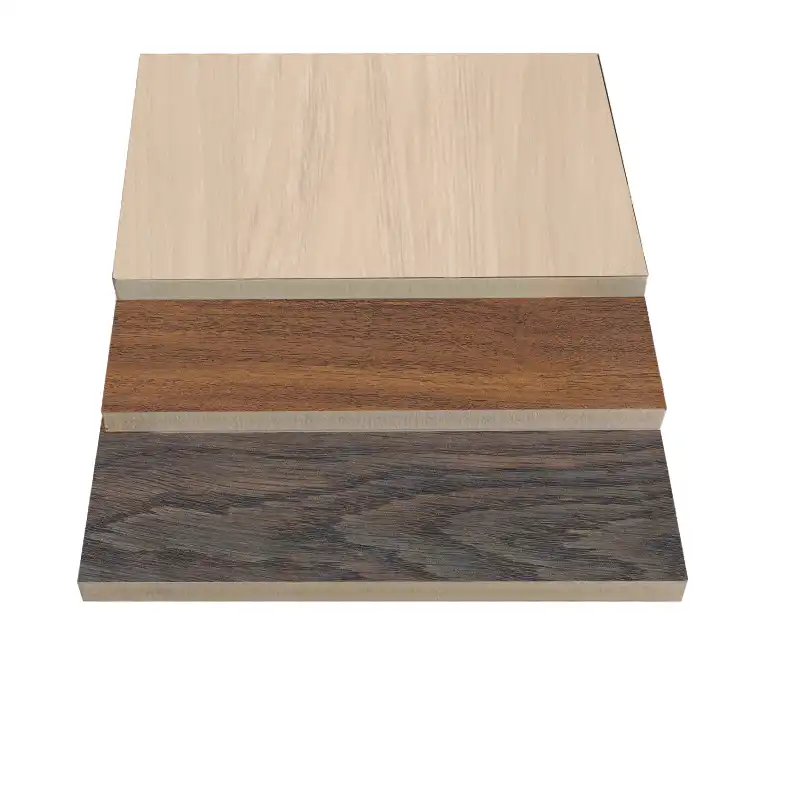
What is PVC Wood Veneer?
PVC wood veneer, also known as PVC wood panel or PVC wood-plastic composite are all names for an artificial substance that looks like real wood. It is made by mixing PVC (polyvinyl chloride), calcium powder, and other chemicals, then forcing the mix out at high temperatures. The outcome is a long-lasting, water-resistant substance that looks like wood grain.
PVC wood veneer has a number of benefits:
• Great at keeping out water and moisture
• Long-lasting and durable
• Easy to take care of
• A range of colors and designs in the wood grain
• More affordable than raw wood in the long run
What are PET Faux Wood Panels?
PET faux wood panels are made of polyethylene terephthalate, a kind of polyester. People use this material a lot for food packing and drink bottles, but it has also been used in interior design because it is durable and can be used in many ways. When the material is heated and shaped to look like wood grain shapes, PET panels are made.
Some things about PET faux wood panels are that they:
• can be recycled
• don't get damaged easily by scratches or impacts
• lightweight
• come in different finishes and textures
The Role of Faux Wood in Modern Interiors
These days, PVC wood veneer and PET faux wood panels are both very important to how people plan their homes. They look like real wood without the trouble of having to take care of it or the environmental issues. Using these materials, designers and residents can get a high-end wood look in places where real wood would be too difficult or expensive to use.
Comparing PVC and PET for Wall Applications
Let's look at PVC wood veneer and PET faux wood panels in a few important areas now that we know a little about each material.
Durability and Longevity
PVC wood veneer often wins when it comes to longevity. When PVC is mixed with calcium powder, it makes a strong material that can handle the wear and tear of everyday life. It doesn't get easily scratched, dented, or damaged by impacts, so it's perfect for places with a lot of foot traffic.
PVC wood veneer also resists moisture very well, so it won't warp, swell, or rot like real wood does in wet conditions. Because of this, it is a great pick for kitchens, bedrooms, and basements.
PET panels are long-lasting, but they might not outlast PVC in every case. They may yellow over time, especially if they are in the sun. But they do resist contact well and are less likely to crack or chip than some other man-made materials.
Environmental Considerations
The effect on the environment is becoming more and more important when choosing materials. Neither PVC nor PET can be broken down by nature, but they both have some benefits for the earth. When made by trustworthy companies like Dingyue, PVC wood veneer is meant to be recycled when it is no longer useful. Using PVC wood veneer might also help lessen the need for natural wood, which could help forests.
Since PET is a thermoplastic, it is simpler to recover than PVC. A lot of PET faux wood panels are made from recycled materials, which is something eco-friendly buyers might like. It's good to keep in mind that both materials are durable, so they won't need to be replaced as often, which will lead to less loss over time.
Aesthetic Versatility
PVC wood veneer and PET faux wood panels both come in a lot of different looks, but there are things you should think about before choosing between them. PVC wood veneer does a great job of copying the look and feel of real wood. Very realistic wood grain designs and textures can be made with advanced manufacturing methods. The stuff comes in many colors and styles, from light oak to dark walnut and even some rare types of wood.
PET panels also come with a lot of different finishes that look like wood, but they might not look as much like wood as high-quality PVC wood veneer. But because PET can be thermoformed, it can have 3D textures and designs that are visually interesting.
Installation and Maintenance Considerations
When deciding between PVC wood veneer and PET faux wood panels for wall applications, the ease of installation and ongoing maintenance needs are crucial.
Installation Process
One of the best things about PVC wood veneer panels is that they are usually easy to put up. Regular woodworking tools can cut them, and they can be stuck to walls using glues or mechanical fixings. Because PVC wood veneer is lighter than real wood panels, it is easier to handle when installing it.
PET screens are also pretty easy to put up. They are easy to cut to the right size and don't weigh much. But cutting these panels might require extra caution to avoid chipping or cracking, particularly the smaller ones. Both materials can be installed faster than regular wood paneling. This saves money on labor costs and lowers the amount of disruption in areas that are already being used.
Maintenance Requirements
PVC wood veneer doesn't need to be taken care of as much as other materials, which is one of its best benefits. PVC doesn't need to be sealed, stained, or painted like real wood does in order to look good. It can be easily cleaned with soap and water and doesn't hold spots.
PET panels are also easy to take care of; they just need to be dusted regularly and cleaned with a wet cloth every now and then. But, especially on high-gloss finishes, they might be more likely to show fingerprints and smudges. Neither of the materials is mold- or mildew-friendly, so they can be used in places with a lot of moisture where natural wood might not work well.
Long-term Performance
When it comes to long-term performance, PVC wood veneer usually does better. Dingyue makes high-quality PVC wood veneer that is meant to keep looking good and maintain its structural stability for a long time, even in difficult settings.
PVC wood veneer won't fade, so the color and wood grain design stay bright over time. It also keeps its dimensional stability, so it doesn't bend or shrink when the temperature or humidity changes. PET panels are long-lasting, but may be more likely to be damaged by UV rays over time, which could change the color or wear down the surface in places that get direct sunlight. But to help get around this problem, some companies do make UV-resistant PET screens.
Conclusion
PVC wood veneer and PET faux wood panels are both great options for walls that can be used instead of real wood. They are a great choice for many interior design projects because they are durable, easy to clean, and look good in many settings.
PVC wood veneer, especially high-quality options like those from Dingyue, is known for its long-term performance, resistance to damage, and ability to look like real wood. It's a great option for people who want a wood-like look and feel with little upkeep required, particularly in places that get a lot of wetness or foot traffic.
In the end, whether you use PVC or PET will depend on your project's needs, your budget, and how you want the final product to look. You can make a good choice that takes into account how each material looks, how it works, and how eco-friendly it is for your wall application job if you know about these things.
FAQ
Q: What is a wood plastic veneer?
A: Wood plastic veneer is a decorating material that is eco-friendly because it is made from PVC and calcium powder that are pushed together at high temperatures. It is made of plastic and wood, so it has the best of both worlds.
Q: What are its benefits over tiles and solid wood?
A: It doesn't matter if it's wet or dry; it repels insects and doesn't rot, unlike solid wood. It doesn't need to be painted, is easy to put up, and doesn't crack or bend. It also doesn't need much upkeep. It feels softer, installs faster, resists slipping, and works better in cold weather than clay tiles.
Q: Where do you mostly use it?
A: People use it a lot in their living rooms, bedrooms, kitchens, bathrooms, balconies, basements, ceilings, and commercial areas like restaurants, shops, and offices.
Choose Dingyue for Premium PVC Wood Veneer | Dingyue
Dingyue is one of the best makers of high-quality PVC wood paneling for your walls. With more than ten years in the business, our 30,000 m² production center with over 150 advanced production lines guarantees great quality and quick customization. We are dedicated to both sustainability and innovation, and our goods are flame-retardant, recyclable, and free of formaldehyde while still meeting strict international guidelines. Dingyue's PVC wood veneer options are long-lasting, look great, and are good for the environment. You can trust them to get the job done. Email us at dingyue@dywpcpvcpanel.com to find out how our high-quality goods can make your next project better.
References
1. Smith, J. (2022). "Comparative Analysis of Synthetic Wood Materials in Interior Design." Journal of Architectural Materials, 45(3), 267-280.
2. Johnson, A. & Brown, T. (2021). "Environmental Impact Assessment of PVC and PET in Construction." Sustainable Building Technologies, 18(2), 112-125.
3. Lee, S. et al. (2023). "Durability and Aesthetic Longevity of Faux Wood Panels in High-Traffic Areas." International Journal of Interior Architecture, 29(4), 389-402.
4. Wang, Y. (2022). "Advancements in PVC Wood Veneer Technology: A Review." Progress in Polymer Science, 124, 101-115.
5. Garcia, M. & Patel, R. (2021). "Consumer Perceptions and Preferences in Faux Wood Products for Interior Design." Journal of Consumer Behavior in Design, 37(1), 78-92.
Get a Quote Today – Discover Our Eco-Friendly Decorative Solutions.
“Business Type:Distributor / Contractor / Builder”