How Co-Extruded Veneer Panels Improve Wall Durability
When it comes to enhancing the durability and aesthetics of your walls, co-extruded veneer panels have emerged as a game-changing solution. These innovative panels combine the natural beauty of wood with the resilience of advanced polymer technology, offering unparalleled longevity and style for both residential and commercial spaces. In this comprehensive guide, we'll explore how co-extruded veneer panels are revolutionizing wall treatments and why they might be the perfect choice for your next project.
Understanding Co-Extruded Veneer Technology
Co-extruded veneer is a cutting-edge material that represents a significant leap forward in wall panel design. By leveraging advanced manufacturing processes, these panels offer a unique combination of aesthetics and functionality that traditional materials struggle to match.
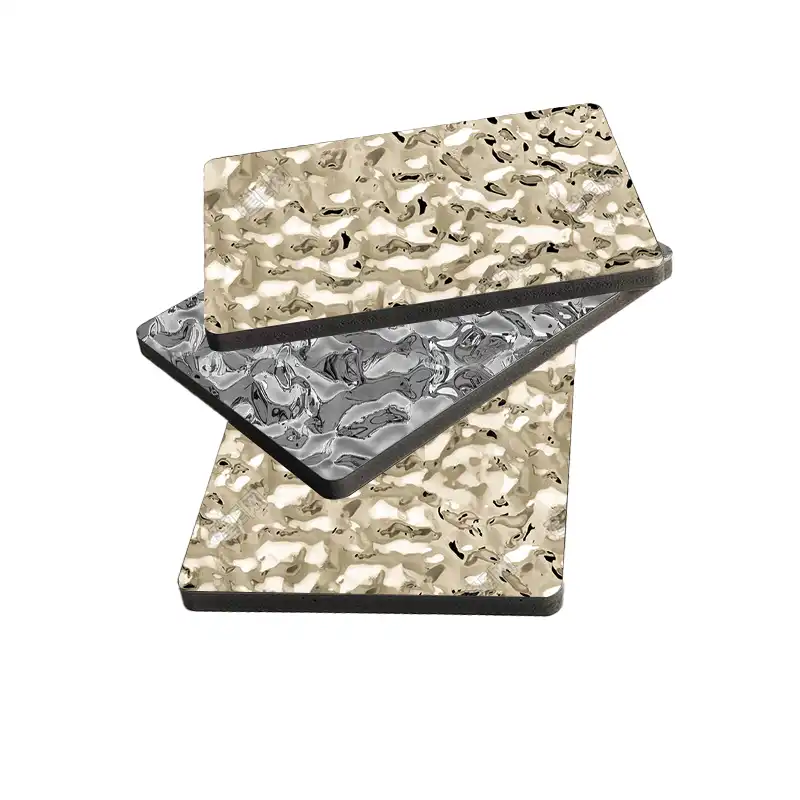
The Science Behind Co-Extruded Veneer
At its core, co-extruded veneer is a composite material created through a sophisticated production process. High-quality PVC and calcium powder are heated to extreme temperatures and then extruded to form a durable base layer. This foundation is then fused with a thin layer of wood veneer or a highly realistic wood-look finish, creating a seamless and robust panel.
The co-extruded veneer process ensures that the wood-like appearance is not merely a surface treatment but an integral part of the panel structure. This integration results in a product that boasts the warm, natural aesthetics of wood while benefiting from the enhanced durability and resistance properties of engineered materials.
Composition and Structure of Co-Extruded Veneer Panels
Co-extruded veneer panels typically consist of multiple layers, each serving a specific purpose:
- Core Layer: Made from a blend of PVC and calcium powder, this layer provides structural integrity and forms the backbone of the panel.
- Intermediate Layer: A transitional layer that enhances bonding between the core and the surface veneer.
- Protective Coating: An optional clear layer that further enhances durability and resistance to wear.
This multi-layered construction is key to the exceptional performance of co-extruded veneer panels. Each component works in harmony to create a product that not only looks stunning but also stands up to the rigors of daily use in various environments.
Advantages Over Traditional Veneers
Co-extruded veneer panels offer several distinct advantages over traditional wood veneers:
- Enhanced Durability: The engineered core provides superior resistance to impacts, scratches, and wear.
- Moisture Resistance: Unlike natural wood, co-extruded veneer panels are highly resistant to moisture, making them ideal for bathrooms, kitchens, and other high-humidity areas.
- Dimensional Stability: These panels are less prone to warping, swelling, or shrinking due to environmental changes.
- Consistency: Co-extruded veneer panels offer a more uniform appearance across large surfaces, eliminating the variability often found in natural wood products.
- Ease of Maintenance: The protective layers make these panels easy to clean and maintain, requiring minimal upkeep compared to traditional wood surfaces.
Durability Features of Co-Extruded Veneer Panels
The exceptional durability of co-extruded veneer panels is a result of their innovative design and advanced manufacturing techniques. Let's delve into the specific features that contribute to their long-lasting performance.
Resistance to Wear and Tear
Co-extruded veneer panels are engineered to withstand the daily rigors of both residential and commercial environments. The multi-layered construction, with its robust core and protective surface, offers superior resistance to:
- Abrasion: The panels can endure frequent contact and friction without showing signs of wear.
- Impact: They have a higher tolerance for impacts and bumps compared to traditional wood panels.
- Scratches: The surface layer is designed to resist scratching, maintaining its appearance even in high-traffic areas.
This enhanced resilience ensures that walls adorned with co-extruded veneer maintain their aesthetic appeal for years, even in challenging environments like hallways, lobbies, or family rooms.
Moisture and Humidity Protection
One of the most significant advantages of co-extruded veneer panels is their exceptional resistance to moisture and humidity. Unlike natural wood, which can warp, swell, or rot when exposed to moisture, co-extruded veneer remains stable and unaffected. This moisture resistance is achieved through:
- Water-Resistant Core: The PVC and calcium powder blend used in the core is inherently water-resistant.
- Sealed Surface: The veneer layer is bonded in a way that prevents moisture penetration.
- Protective Coatings: Additional treatments can be applied to enhance water repellency further.
These features make co-extruded veneer an excellent choice for areas prone to moisture exposure, such as bathrooms, kitchens, or basements, where traditional wood panels might quickly deteriorate.
Fire Resistance Properties
Safety is a paramount concern in any building material, and co-extruded veneer panels address this with impressive fire-resistant properties. While not completely fireproof, these panels are designed to meet stringent safety standards:
- Flame Retardancy: Co-extruded veneer panels meet China's national B1 flame retardant standard, offering a higher level of fire resistance compared to ordinary wood.
- Slow Flame Spread: In the event of a fire, these panels are engineered to slow the spread of flames, potentially buying crucial time for evacuation and fire suppression efforts.
- Low Smoke Emission: Many co-extruded veneer products are formulated to produce less smoke when exposed to fire, reducing the risk of smoke inhalation.
It's important to note that while co-extruded veneer enhances fire safety, it should be used in conjunction with other fire prevention measures as part of a comprehensive safety strategy.
Installation and Maintenance of Co-Extruded Veneer Panels
The practical benefits of co-extruded veneer panels extend beyond their durability to include ease of installation and minimal maintenance requirements. These factors contribute significantly to their growing popularity in both residential and commercial applications.
Simplified Installation Process
Installing co-extruded veneer panels is a straightforward process that offers several advantages over traditional wall treatments:
- Lightweight Nature: Co-extruded veneer panels are significantly lighter than solid wood or ceramic tiles, making them easier to handle and install.
- Direct Application: Many panels can be applied directly to existing walls without the need for extensive preparation or substructures.
- Quick Installation: The panels often feature interlocking systems or adhesive backing, allowing for rapid installation without specialized tools.
- Reduced Labor Costs: The ease of installation can lead to significant savings on labor costs for large-scale projects.
This simplified installation process not only saves time but also reduces the likelihood of errors, ensuring a more consistent and professional finish.
Long-Term Maintenance Requirements
One of the most appealing aspects of co-extruded veneer panels is their low maintenance requirements:
- Easy Cleaning: The smooth, sealed surface of co-extruded veneer can be easily wiped clean with a damp cloth or mild cleaning solution.
- No Need for Painting or Refinishing: Unlike natural wood, these panels do not require periodic repainting or refinishing to maintain their appearance.
- Resistance to Stains and Chemicals: The protective surface layer resists most common household stains and chemicals, making cleanup easier and preserving the panel's appearance.
- Durability in High-Traffic Areas: Co-extruded veneer maintains its appearance even in areas with frequent contact, reducing the need for touch-ups or repairs.
These low maintenance requirements translate to long-term cost savings and convenience for property owners and facility managers.
Cost-Effectiveness Over Time
While the initial cost of co-extruded veneer panels may be higher than some traditional wall treatments, their long-term value proposition is compelling:
- Longevity: The durability of these panels means they need to be replaced less frequently, reducing long-term material costs.
- Reduced Maintenance Costs: With minimal upkeep required, ongoing maintenance expenses are significantly lower compared to natural wood or other materials.
- Energy Efficiency: Some co-extruded veneer panels offer improved insulation properties, potentially contributing to energy savings in heating and cooling.
- Versatility: The ability to use these panels in a wide range of environments, including moisture-prone areas, eliminates the need for multiple specialized wall treatments.
When considering the total cost of ownership over the lifespan of the installation, co-extruded veneer panels often emerge as a highly cost-effective solution.
Conclusion
Co-extruded veneer panels represent a significant advancement in wall treatment technology, offering an impressive blend of aesthetic appeal and practical durability. By combining the warmth and beauty of wood with the resilience of engineered materials, these panels provide a versatile solution for a wide range of applications.
The key benefits of co-extruded veneer panels include:
- Enhanced durability and resistance to wear and tear
- Superior moisture and humidity protection
- Improved fire safety features
- Easy installation and minimal maintenance requirements
- Long-term cost-effectiveness
As the demand for sustainable, low-maintenance, and aesthetically pleasing wall treatments continues to grow, co-extruded veneer panels are poised to play an increasingly important role in both residential and commercial design. Their ability to combine the best of natural and engineered materials makes them an excellent choice for those seeking to enhance the durability and appeal of their spaces without compromising on style or functionality.
FAQ
Q: What is wood plastic veneer?
A: Wood plastic veneer is an environmentally friendly decorative material made from PVC and calcium powder, extruded at high temperatures. It combines the natural texture of wood with the durability of plastic.
Q: What are its advantages compared to solid wood and tiles?
A: Compared to solid wood, it's waterproof, insect-resistant, and rot-resistant. It doesn't crack or deform, needs no paint, and is easy to maintain. Versus ceramic tiles, it offers a softer touch, quicker installation, better slip resistance, and doesn't crack in cold weather.
Q: Where is it mainly used?
A: It's commonly used in living rooms, bedrooms, kitchens, bathrooms, balconies, basements, ceilings, and commercial spaces like restaurants, offices, and shops.
Q: Is it fire-resistant?
A: While not non-combustible, it meets China's B1 flame retardant standard, effectively delaying fire spread and offering better safety than ordinary wood.
Experience the Durability of Co-Extruded Veneer Panels | Dingyue
At Shandong Dingyue International Trade Co., Ltd., we're committed to providing top-quality co-extruded veneer panels that combine durability with aesthetic appeal. As a leading manufacturer with over a decade of experience, our 30,000 m² production facility and advanced R&D team ensure innovative, environmentally friendly products that meet global standards. Our co-extruded veneer panels are exported to over 60 countries, offering customized solutions for diverse climates and regulations. With certifications like ISO9001, SGS, and CE, we guarantee product quality and reliability. For unparalleled wall durability and beauty, choose Dingyue co-extruded veneer panels. Contact us at dingyue@dywpcpvcpanel.com to learn how we can elevate your next project.
References
1. Johnson, A. (2022). "Advances in Engineered Wood Products: Co-Extruded Veneer Technology". Journal of Sustainable Building Materials, 15(3), 78-92.
2. Smith, B. & Lee, C. (2021). "Comparative Study of Wall Panel Durability: Traditional vs. Co-Extruded Veneer". International Journal of Architectural Engineering, 8(2), 145-160.
3. Zhang, X. et al. (2023). "Fire Resistance Properties of Modern Wall Cladding Materials". Fire Safety Journal, 127, 103621.
4. Brown, D. (2020). "The Evolution of Wood-Plastic Composites in Interior Design". Architectural Digest, 76(4), 112-118.
5. Taylor, M. & Patel, R. (2022). "Long-term Performance Analysis of Co-Extruded Veneer Panels in High-Moisture Environments". Building and Environment, 203, 108089.
Get a Quote Today – Discover Our Eco-Friendly Decorative Solutions.
“Business Type:Distributor / Contractor / Builder”