How to Choose WPC Panels for Hot and Humid Climates?
Choosing the right materials is very important for building and designing inside places that are hot and humid. WPC Indoor Wall Panels have become popular because they last a long time, look good, and don't react badly to weather or other natural factors. We'll talk about how to pick the best WPC panels for your project even if the weather is bad in this in-depth guide.
Understanding WPC Indoor Wall Panels
Before you start the selection process, you need to know what WPC Indoor Wall Panels are and why they're becoming more popular in the building business, especially in hot and humid places.
What Are WPC Indoor Wall Panels?
WPC Indoor Wall Panels are new types of building materials made from a mix of PVC and calcium powder. This special mix makes a product that has the best features of both wood and plastic: the natural look and feel of wood and the strength and resistance to water of plastic.
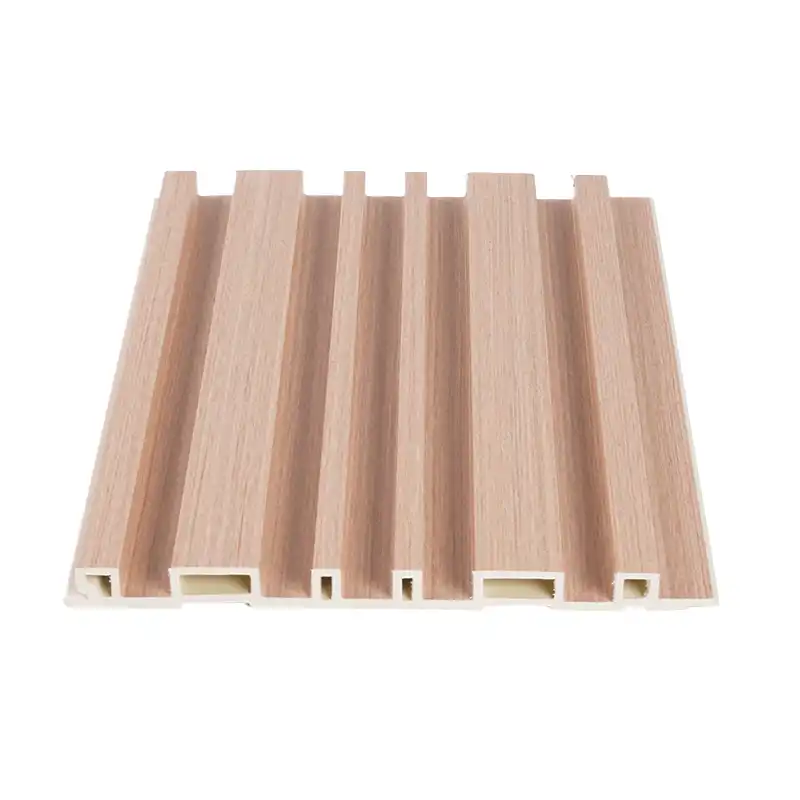
Because they are made to survive a wide range of environmental challenges, these panels work especially well in hot and humid places. The wood gives it a warm, natural look, and the plastic makes it more resistant to mold, wetness, and other problems that can happen in places with a lot of humidity.
Benefits of WPC Indoor Wall Panels in Hot and Humid Climates
WPC Indoor Wall Panels have a number of benefits that make them a great option for places with bad weather.
- Resistance to Moisture: The plastic in WPC panels forms a shield against moisture, stopping the panels from absorbing water and swelling.
- Stable Dimensions: Unlike goods made from pure wood, WPC panels keep their shape and size even when the humidity level changes.
- Mold and Mildew Resistance: The way WPC Indoor Wall Panels are made stops mold and mildew from growing, which is a common problem in damp places.
- Durability: These panels are made to last, and they do a better job of fighting wear and tear than most materials.
- Low Maintenance: WPC panels don't need much care, which saves time and money in the long run on maintenance.
- Versatility in looks: WPC panels come in many colors and textures, so they can look like different types of wood or have their own unique designs.
If you live in a hot and wet area and are thinking about using WPC Indoor Wall Panels for your project, you need to know about these benefits. Now, let's talk about the most important things you should think about when making your choice.
Key Factors in Selecting WPC Panels for Hot and Humid Climates
A lot of things need to be carefully thought through when choosing the right WPC Indoor Wall Panels for hot and wet places. If you pay attention to these things, you can be sure that the panels you choose will work well even in harsh circumstances.
Material Composition and Quality
The way WPC Indoor Wall Panels are made has a lot to do with how well they work in hot and muggy places. Usually, high-quality panels have these:
- The best ratio of PVC and calcium powder: The right balance makes sure that both the structure stays strong and the building doesn't get wet.
- Additives for Better Performance: Some makers use special additives to make their products more resistant to fire, and germs.
When looking at WPC Indoor Wall Panels, you should ask about their exact ingredients and how they were made. Panels from reputable companies like Dingyue are always of high quality and work well because they use cutting edge technologies.
Moisture Resistance and Dimensional Stability
When it's hot and humid, resistance to wetness is very important. WPC Indoor Wall Panels with High Performance Should Include:
- If you want panels that won't swell or bend too much, look for ones that have a water absorption rate of less than 1%.
- Great Dimensional Stability: Panels should keep their shape and size even when they are subject to high humidity.
- Vapor Barrier Properties: Some high-tech WPC panels use vapor barrier technology to keep water from getting into the wall structure.
You might want to ask for test results or certifications that show how well the panel works in high-humidity circumstances. This knowledge can help you understand how the WPC Indoor Wall Panels will perform in your particular weather.
Thermal Properties and Insulation
In hot places, the thermal qualities of wall panels can have a big effect on how comfortable and energy-efficient a room is. WPC Indoor Wall Panel Selection Considerations
- Thermal Conductivity: Lower numbers for thermal conductivity mean better insulation, which helps keep rooms cool.
- R-Value: This measure of thermal resistance can help you figure out how well the panel will keep heat in.
- Thermal Expansion Coefficient: To keep gaps and bending to a minimum when temperatures change, look for panels with low thermal expansion.
While some makers make WPC Indoor Wall Panels that are better at insulating, this can help buildings in hot climates use less energy. If you carefully think about these things, you can choose WPC Indoor Wall Panels that will work well in hot and wet places. We'll talk about some more things to think about that can help you make a smart choice in the next part.
Additional Considerations for WPC Panel Selection
When picking WPC Indoor Wall Panels for hot and humid places, there are a few other things you should think about besides the core performance characteristics. These things to think about can affect both how your project looks and how well it does in the long run.
Aesthetic Options and Design Flexibility
You can get the look you want for your space with WPC Indoor Wall Panels, which come in a lot of different styles. Take a look at the following:
- Color Range: WPC panels come in a range of colors, from the natural look of wood to more modern colors. Pick colors that go with your overall style, and think about how the strong light that comes with living in a hot area might change them.
- Choices of Texture: A lot of makers make panels with a range of surface textures, from smooth to realistic wood grain patterns. The material can change both how the wall looks and how it feels to touch.
- Panel Size: Think about the panels' size and shape, as well as how they will fit in your room. Some manufacturers offer dimensions that can be changed to fit the needs of a particular project.
- Installation Patterns: Try installing things in different ways (horizontally, vertically, or diagonally) to get different looks that can make your room look bigger.
When choosing WPC Indoor Wall Panels, you should ask for samples to see how the different choices look and feel in the light you have. This information can help you make a better choice about how the panels you choose will look.
Installation and Maintenance Considerations
It's important to think about how easy it is to install and how much care it needs, especially in hot and humid places where the weather can be tough:
- Installation Method: Look for WPC Indoor Wall Panels with easy-to-use installation methods, like click-lock or tongue-and-groove designs. These can make the fitting process easier and help make sure a tight fit that keeps water out.
- Needs for Getting Used to It: Learn how to do the acclimation process that the maker suggests. In hot and humid places, proper preparation is important to avoid problems after installation.
- Upkeep and cleaning: Pick panels that are simple to clean and keep up. It is easy to wipe down surfaces that are smooth or have protective coats on them, which is helpful in damp places where dust and mold can grow quickly.
- Repair and Replacement: Think about how easy it would be to fix or replace individual panels if needed. This can be especially important in places where bad weather is common.
By choosing WPC Indoor Wall Panels that are easy to maintain, you can make sure that your walls look great and work well for a long time, even in harsh weather.
Certifications and Compliance
It's important to look at certifications and compliance guidelines when choosing WPC Indoor Wall Panels for use in hot and humid places:
- Fire Resistance: To make sure your building is safe, look for panels with the right fire resistance grades, like B1 classification.
- Environmental Certifications: Look for panels that have environmental certifications, such as FSC (Forest Stewardship Council) for materials that were gathered in a responsible way.
- Quality Management: If a company has ISO 9001 certification, it means they follow well-known quality management guidelines.
- Performance Testing: Certifications from groups like SGS or CE marking can give you peace of mind that the panel will work well and meet all the necessary standards.
Dingyue's WPC Indoor Wall Panels, for example, are certified to ISO9001, SGS, and CE standards, which shows that they care about quality and efficiency. When choosing panels for harsh settings, these certifications can give you peace of mind.
Conclusion
If you live in a hot and humid area, you need to carefully choose the right WPC Indoor Wall Panels by looking at a lot of different factors, such as the licenses and the type of material used. You can choose panels that not only stand up to harsh weather but also improve the look and functionality of your interior areas by giving these factors careful thought.
When making your choice, don't forget to put moisture protection, dimensional stability, and thermal properties at the top of your list. You should only buy panels from reputable companies like Dingyue. They make high-quality goods and have a lot of experience making materials that work in a wide range of climates.
Finally, if you choose the right WPC Indoor Wall Panels, you can have long-lasting, low-maintenance, aesthetically pleasing interiors that can handle the challenges of hot and humid regions. By following the tips in this piece, you'll be able to make an informed choice that meets both your needs for looks and performance.
Frequently Asked Questions
What kind of WPC Indoor Wall Panels do you have?
Most of the time, samples are free, but you might have to pay for shipping. Get samples for your project by calling the manufacturer directly.
What services can businesses like Dingyue offer me?
Dingyue is one of the biggest companies in northern China that makes wood plastic and materials for decorating inside and out. They offer OEM and ODM services. Their goods are approved by CE, FSC, ISO, and SGS, which lets them offer a wide range of services that are tailored to each customer's needs.
What makes sure the quality of WPC Indoor Wall Panels?
Manufacturers with a good reputation always make models before they start mass production and do final checks before sending out their goods to make sure quality standards are met.
Can I change the color and look of the WPC Indoor Wall Panels?
Yes, you can get WPC Indoor Wall Panels in a range of colors and finishes. Wood tones, gray, and brown are common colors, but many makers offer custom colors and textures to fit different architectural styles and personal tastes.
Experience the Dingyue Difference: WPC Indoor Wall Panels for Hot and Humid Climates Dingyue
Dingyue is a top manufacturer and innovator when it comes to WPC Indoor Wall Panels for places that are hot and humid. With more than ten years of experience, Dingyue has mastered the art of making high-performance, eco-friendly ornamental materials that work well in tough conditions.
Our cutting-edge 30,000-square-meter production center has more than 150 high-tech production lines that make sure quality is always maintained and customization is done quickly and easily. Dingyue is dedicated to coming up with new ideas, and our focus on green formulations and functional materials shows. This makes goods that meet strict environmental standards and look great at the same time.
If you want WPC Indoor Wall Panels that look good, work well, and last a long time, choose Dingyue. Our goods meet the standards of more than 60 different countries and come with a ten-year warranty. Get the Dingyue difference today by emailing us at dingyue@dywpcpvcpanel.com to find out how our high-quality WPC Indoor Wall Panels can make your project better in hot and muggy places.
References
1. Johnson, A. R. (2021). "Advanced Building Materials for Tropical Climates: A Comprehensive Review." Journal of Sustainable Architecture and Civil Engineering, 15(2), 78-95.
2. Patel, S. K., & Williams, L. (2020). "Performance Analysis of Wood-Plastic Composites in High-Humidity Environments." Materials Today: Proceedings, 32, 555-562.
3. Zhang, X., et al. (2019). "Thermal and Moisture Properties of Wood-Plastic Composites: Implications for Hot and Humid Climates." Construction and Building Materials, 208, 413-424.
4. Garcia-Alvarez, M., & Lopez-Jimenez, P. A. (2018). "Wall Panels for Energy Efficiency in Buildings: A Review of Materials and Technologies." Renewable and Sustainable Energy Reviews, 94, 1084-1100.
5. Ramesh, T., & Prakash, R. (2022). "Sustainable Building Materials for Tropical Regions: Challenges and Innovations." Sustainability, 14(3), 1372.
Get a Quote Today – Discover Our Eco-Friendly Decorative Solutions.
“Business Type:Distributor / Contractor / Builder”