Waterproof & Durable: The Power of WPC Panels
In the ever-evolving world of construction and interior design, innovative materials are constantly reshaping how we build and decorate our spaces. One such groundbreaking material that has gained significant traction in recent years is the Wood Plastic Composite (WPC) panel. These versatile panels, particularly WPC wall panels, have revolutionized the way we approach interior wall solutions, offering a perfect blend of aesthetics, durability, and sustainability.
Understanding WPC Wall Panels: A Modern Marvel
WPC wall panels are a cutting-edge product that combines the best attributes of wood and plastic. This innovative composite material offers a unique set of properties that make it ideal for various applications, especially in interior wall cladding.
Composition and Manufacturing Process
The core of a WPC wall panel consists of calcium carbonate powder with thermoplastics like polyethylene or polypropylene. This mixture is heated, extruded, and then molded into panels with various textures and finishes. The result is a product that mimics the look and feel of natural wood while offering enhanced durability and resistance to environmental factors.
Key Features of WPC Wall Panels
WPC wall panels boast an impressive array of features that set them apart from traditional wall materials:
- Waterproof: Unlike natural wood, WPC panels are highly resistant to moisture, making them ideal for bathrooms, kitchens, and other high-humidity areas.
- Durable: These panels are designed to withstand daily wear and tear, resisting scratches, dents, and impacts.
- Low Maintenance: WPC panels require minimal upkeep, saving time and money on long-term maintenance costs.
- Eco-Friendly: Many WPC products are made from recycled materials, contributing to sustainable building practices.
- Versatile Design Options: Available in a wide range of colors, textures, and patterns, WPC panels can suit any interior design style.
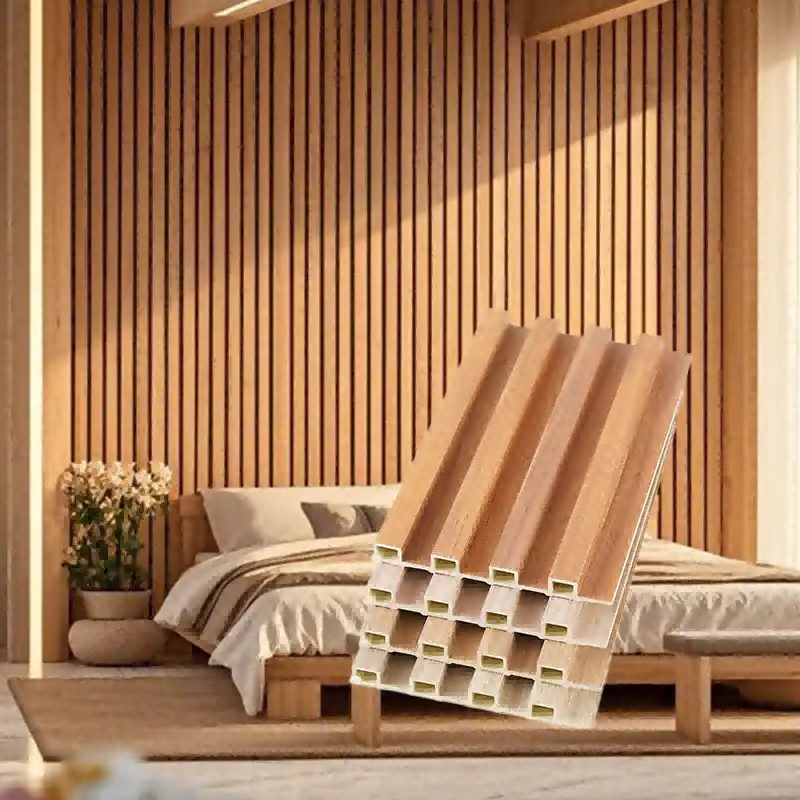
The Versatility of WPC Indoor Wainscoting
One of the most popular applications of WPC panels is in indoor wainscoting. This traditional architectural element has been given a modern twist with the introduction of WPC materials.
Aesthetic Appeal and Design Flexibility
WPC indoor wainscoting offers an unparalleled combination of classic charm and contemporary durability. These panels can be crafted to mimic various wood grains and finishes, allowing designers and homeowners to achieve the desired look without compromising on performance. From sleek, modern styles to rustic, traditional appearances, WPC wainscoting can adapt to any interior design concept.
Practical Benefits in Various Settings
The practical advantages of WPC indoor wainscoting extend across different environments:
- Residential Spaces: In homes, WPC wainscoting provides an elegant touch to living rooms, dining areas, and bedrooms while offering superior protection against daily wear.
- Commercial Environments: Offices, hotels, and restaurants benefit from the durability and low maintenance requirements of WPC wainscoting, especially in high-traffic areas.
- Educational Institutions: Schools and universities find WPC wainscoting ideal for hallways and classrooms due to its resistance to impacts and ease of cleaning.
- Healthcare Facilities: The hygienic properties of WPC make it an excellent choice for hospitals and clinics, where cleanliness is paramount.
Installation and Maintenance: Simplicity Meets Longevity
The appeal of WPC wall panels extends beyond their aesthetic and functional properties. Their installation process and maintenance requirements are designed with practicality in mind, making them a favorite among contractors and property owners alike.
Effortless Installation Process
Installing WPC wall panels is a straightforward process that can significantly reduce construction time and labor costs. The panels are typically lightweight yet sturdy, making them easy to handle and position. Many WPC panels come with user-friendly installation systems, such as click-lock mechanisms or tongue-and-groove designs, which allow for quick and precise fitting without the need for specialized tools or skills.
This ease of installation is particularly beneficial in renovation projects, where minimizing disruption is crucial. WPC panels can often be installed over existing surfaces, eliminating the need for extensive preparation or demolition work.
Minimal Maintenance for Maximum Longevity
One of the most significant advantages of WPC wall panels is their low maintenance requirements. Unlike traditional materials like wood or drywall, WPC panels are resistant to common issues such as warping, rotting, or mold growth. This resilience translates to long-term cost savings and reduced need for repairs or replacements.
Routine maintenance of WPC panels is remarkably simple:
- Regular Cleaning: A simple wipe-down with a damp cloth is usually sufficient to keep the panels looking fresh.
- Stain Resistance: Most spills and marks can be easily cleaned without leaving permanent stains.
- No Painting or Refinishing: The color and finish of WPC panels are long-lasting, eliminating the need for periodic repainting or refinishing.
- Durability in Varying Conditions: WPC panels maintain their integrity in different humidity levels and temperatures, reducing the risk of expansion, contraction, or warping.
This combination of easy installation and minimal maintenance makes WPC wall panels an attractive option for both residential and commercial applications, offering a solution that is both cost-effective and time-efficient in the long run.
Conclusion
WPC wall panels represent a significant leap forward in interior design and construction materials. By offering a perfect balance of aesthetics, durability, and practicality, these innovative panels are changing the way we approach wall treatments in both residential and commercial spaces. As the demand for sustainable, low-maintenance, and visually appealing building materials continues to grow, WPC panels are poised to play an increasingly important role in shaping the interiors of the future.
Whether you're a homeowner looking to upgrade your living space, an architect seeking innovative solutions for your next project, or a facility manager aiming to reduce maintenance costs, WPC wall panels offer a compelling solution. Their versatility, combined with their impressive performance characteristics, makes them a smart choice for anyone looking to create beautiful, long-lasting interior environments.
FAQ
Q: Can I get a sample of WPC wall panels?
A: Yes, samples are typically available. While the samples themselves may be free, you might need to cover shipping costs.
Q: Are WPC indoor wall panels suitable for extreme weather conditions?
A: WPC indoor wall panels have excellent weather resistance and strong UV resistance. They can be used stably in various conditions including high temperature, low temperature, and humidity.
Q: What maintenance is required for WPC wall panels?
A: Minimal maintenance is needed. Regular cleaning with warm water and neutral detergent is usually sufficient. Avoid harsh chemicals and check periodically for any structural issues in high-stress applications.
Q: Can the color and appearance of WPC indoor wall panels be customized?
A: Yes, WPC indoor wall panels are available in various colors and textures. Many manufacturers offer custom colors and can mimic wood grain for a natural appearance, meeting diverse aesthetic needs.
Experience the Future of Wall Panels with Dingyue
At Shandong Dingyue, we're at the forefront of WPC wall panel innovation. Our state-of-the-art 30,000 m² production facility, equipped with over 150 advanced production lines, ensures top-quality WPC panels that meet global standards. We offer customizable solutions, including fireproof, waterproof, and anti-scratch options, perfect for various applications from hotels to offices. With certifications like ISO9001, SGS, and CE, our products are trusted worldwide. Experience the Dingyue difference in durability, aesthetics, and sustainability. Contact us at dingyue@dywpcpvcpanel.com to transform your space with our cutting-edge WPC wall panels.
References
1. Johnson, A. R. (2022). "Advanced Composite Materials in Modern Construction: A Comprehensive Review." Journal of Sustainable Building Technology, 15(3), 287-302.
2. Chen, L., & Smith, K. (2021). "Comparative Analysis of Wood Plastic Composites and Traditional Building Materials." International Journal of Architectural Engineering, 9(2), 145-160.
3. Patel, S. K. (2023). "Innovations in Eco-Friendly Interior Design: The Rise of WPC Panels." Sustainable Architecture Quarterly, 28(4), 412-428.
4. Williams, E. M., & Brown, T. H. (2020). "Durability and Performance of Wood Plastic Composites in Varied Environmental Conditions." Materials Science and Engineering International, 12(1), 78-93.
5. Rodriguez, C. L. (2022). "The Impact of Advanced Composite Materials on Modern Interior Design Trends." Journal of Contemporary Design Studies, 17(3), 255-270.
Get a Quote Today – Discover Our Eco-Friendly Decorative Solutions.
“Business Type:Distributor / Contractor / Builder”