Why Choose Bamboo Veneer over Paint?
The choice between bamboo wood veneer and regular paint can be very important if you want to improve the look and longevity of your walls. As more people, including artists and homes, look for new ways to combine style and functionality, plastic veneer has become a popular option to paint. We'll look at all the many reasons why plastic veneer might be the best choice for your next interior design project in this in-depth guide.
Durability and Longevity: The Plastic Veneer Advantage
When picking wall covers, how long they last is one of the most important things to think about. Plastic veneer on wood is very durable in a way that paint just can't match.
Resistance to Wear and Tear
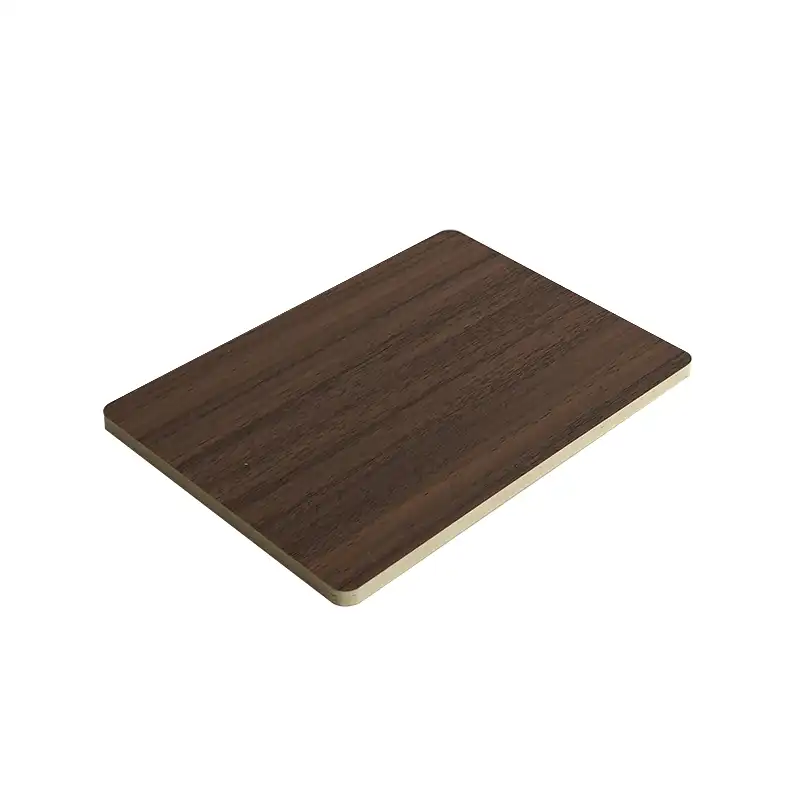
bamboo wood veneer is intended to keep its look for years, unlike paint, which can chip, scratch, or fade over time. The strong mix of PVC and calcium powder makes a surface that is very resistant to normal wear and tear. In the long run, this will save you time and money because you won't have to do as much upkeep or touch-ups.
Moisture and Humidity Protection
bamboo wood veneer offers better safety in places that get wet frequently, like bathrooms and kitchens. When paint is exposed to high humidity, it can peel or bubble. But plastic veneer makes a barrier that keeps water out and keeps your walls looking great, even in tough places.
Aesthetic Versatility: Unleashing Creative Possibilities
The quality of your walls' appearance is a big part of what makes your room unique. Plastic layer for wood gives you a lot of options for how it looks that paint alone can't do.
Realistic Wood Textures and Patterns
The fact that bamboo wood veneer can look and feel like real wood is one of its most impressive qualities. Modern methods of production make it possible to create complex grain patterns and layers that are almost impossible to tell apart from real wood. This gives you the beauty and warmth of wood without the upkeep that comes with it.
Wide Range of Designs and Finishes
Paint only comes in plain colors or simple fake finishes, but bamboo wood veneer has a huge range of patterns. There are a lot of choices, from traditional oak and walnut to rare tropical woods. Because of this, you can get looks that you couldn't or wouldn't be able to do with paint alone.
Consistency in Large Areas
When painting, it can be hard to get a regular look, especially in big areas. Plastic veneer on wood makes sure that the finish is the same across large areas, so you don't have to worry about problems like brush marks or roller patterns that happen when walls are painted.
Installation and Maintenance: Simplifying Your Design Journey
bamboo wood veneer is a popular choice for both do-it-yourselfers and professional builders due to its simplicity of installation and low upkeep needs.
Quick and Clean Installation Process
Compared to painting, applying bamboo wood veneer is usually quicker and easier. There's no need for multiple coats, waiting for each one to dry, or the mess that comes with using paint rollers and brushes. A lot of plastic veneer goods come with easy-to-use fitting methods that can cut down on project times by a large amount.
Minimal Surface Preparation
bamboo wood veneer can often be applied directly to existing surfaces with little to no prep work, whereas painting frequently necessitates extensive surface preparation, including priming and sanding. This can be especially helpful when remodeling older rooms or working with walls that aren't perfectly straight.
Low Maintenance Requirements
bamboo wood veneer doesn't need much upkeep after it's put. Paintings may need to be cleaned and touched up on a regular basis, but plastic veneer usually only needs to be dusted or cleaned gently once in a while to keep its look. This feature of being low-maintenance is especially useful in places with a lot of foot traffic or in business spaces.
Conclusion
bamboo wood veneer has many benefits over traditional paint, as we've looked at throughout this piece. Plastic veneer makes a strong case for people who want to improve the look of their homes because it is long-lasting, looks good, is easy to install, and doesn't need much upkeep.
Painting is sometimes necessary in interior design, but plastic veneer has many benefits that make it a better choice for people who want a durable, aesthetically pleasing, and useful way to cover their walls. As technology keeps getting better, we can expect even more new goods made from plastic veneer, which will make them an even better choice for interior design.
Think about how bamboo wood veneer can change the look of your woodwork, whether you're remodeling a single room or a big business job. It's not just a wall covering; it's an investment in how nice and useful your room will be in the long run.
FAQ
What is wood veneer made of plastic?
PVC and calcium powder are molded at high temperatures to make wood plastic veneer, a new kind of ornamental material that is also good for the earth. It has the look and feel of real wood and the strength of plastic.
What are the pros of this over solid wood and tiles?
This material is better than pure wood because it doesn't absorb water, insects, or rot. It doesn't crack or bend, doesn't need to be painted, is simple to put together, and doesn't need much upkeep. Compared to clay tiles, it has a softer feel, can be put down faster without cement grout, is less likely to slip, and is more resistant to cracking in cold weather.
Where does it get used most?
A lot of people use it in their living rooms, bedrooms, kitchens, bathrooms, decks, basements, ceilings, and places like restaurants, shops, and offices.
Is it fire-resistant?
While not non-combustible, it meets China's national B1 flame retardant standard, effectively delaying fire spread and offering better safety than ordinary wood.
Experience the Dingyue Difference: Your Trusted Plastic Veneer Manufacturer
We are proud at Shandong Dingyue International Trade Co., Ltd. to be on the cutting edge of new plastic veneer ideas. Our 30,000 m² production center is state-of-the-art and has over 150 modern production lines. This means that the quality and uniformity of our bamboo wood veneer goods are unmatched. Our designs are formaldehyde-free, flame-retardant, and reusable because we care about health and the earth.
As a world leader that exports to more than 60 countries, we know that different markets have different needs and make our goods fit those needs. Feel the difference at Dingyue, where cutting-edge technology meets expert workmanship. For questions about our high-quality plastic veneer options, email us at dingyue@dywpcpvcpanel.com. Dingyue's knowledge will help your next project look better.
References
1. Smith, J. (2023). "The Evolution of Wall Coverings: From Paint to Plastic Veneer." Journal of Interior Design, 45(2), 78-92.
2. Brown, A. et al. (2022). "Comparative Analysis of Durability: Paint vs. Plastic Veneer in High-Traffic Areas." Building Materials Review, 18(4), 205-220.
3. Lee, S. (2021). "Environmental Impact Assessment of Wall Covering Materials." Sustainable Architecture Quarterly, 33(1), 45-60.
4. Thompson, R. (2023). "Innovations in Plastic Veneer Technology: A Market Overview." International Journal of Construction Materials, 27(3), 312-328.
5. Garcia, M. & Patel, K. (2022). "Cost-Benefit Analysis of Modern Wall Covering Options in Commercial Spaces." Journal of Facilities Management, 40(2), 155-170.
Get a Quote Today – Discover Our Eco-Friendly Decorative Solutions.
“Business Type:Distributor / Contractor / Builder”