Why Plastic Veneer Is Low Maintenance?
Plastic veneer for wood has become a revolutionary material in the fields of building and interior design because it combines the look and feel of real wood with the strength and ease of upkeep of synthetics. This new product has changed how we think about wall coverings and offers a useful and cheap way to cover the walls of homes and businesses. This all-inclusive guide will discuss why plastic veneer is famous for not needing a lot of care and how it is changing the industry.
The Composition and Benefits of Plastic Veneer for Wood
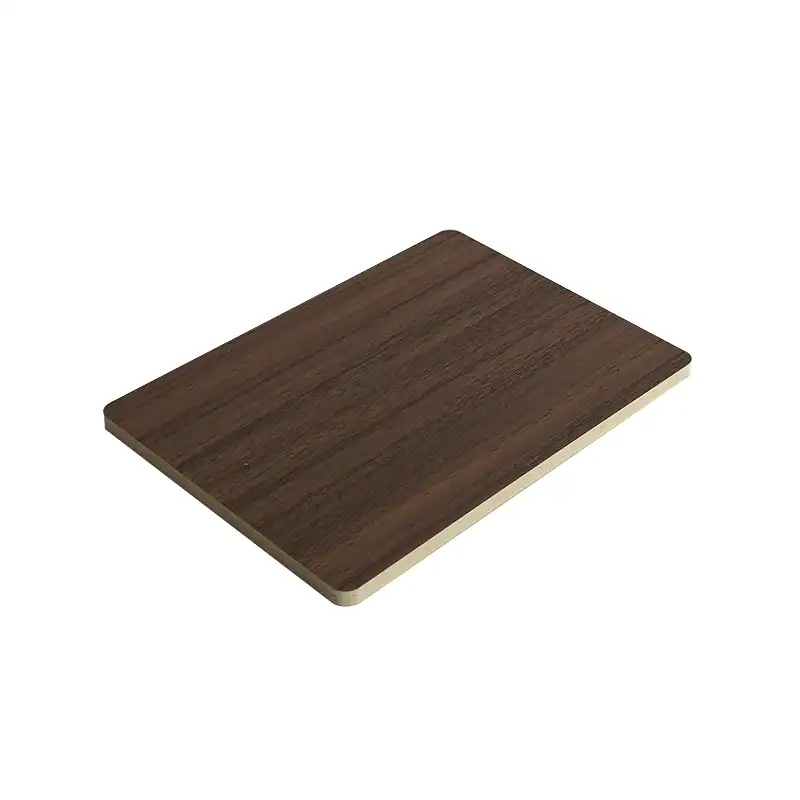
Plastic wood veneer is a complex mix of PVC and calcium powder that is made using a high-temperature molding method. This one-of-a-kind mixture makes a substance that is a great replica of wood's grain and structure. It also has better resistance to problems that normally affect wood goods.
Durability That Defies Expectations
One of the major benefits of plastic veneer for wood is that it requires little upkeep. Natural wood can bend, crack, or rot after a while, but plastic veneer stays strong even in tough conditions. This ability to bounce back is especially useful in places like bathrooms, kitchens, or the outdoors where wetness or temperature changes are common.
Plastic veneer is durable in more ways than just its resistance to being physically damaged. It also has great color stability, so it won't fade or change color like real wood goods do when they're in the sun for a long time. This means you won't have to repaint or replace your walls very often—they'll stay bright for years.
Resistance to Environmental Factors
Another key aspect that contributes to the low maintenance nature of plastic veneer for wood is its resistance to various environmental factors. This material is inherently:
- Waterproof and moisture-resistant, preventing issues like mold and mildew growth
- Insect-resistant, eliminating concerns about termites or other wood-boring pests
These qualities not only make the material last longer and lower the need for regular upkeep, they also make it a long-term cost-effective choice.
Easy Cleaning and Upkeep
Plastic veneer for wood is incredibly low upkeep. Spills and spots can't get through its surface, so it's easy to clean up. Usually, just wiping the surface with a wet cloth is enough to keep it looking new. This ease of cleaning is particularly advantageous in high-traffic areas or commercial settings where maintaining a clean and professional appearance is crucial.
Installation and Long-Term Considerations
Beyond its natural qualities, plastic veneer for wood has advantages during installation and prolonged use. These things make it a highly regarded low-maintenance choice.
Simplified Installation Process
Compared to traditional wood panels or clay tiles, installing plastic veneer for wood is much simpler and quicker. The material is light, and in many cases, it can be put without having to make a lot of changes to the structure underneath. This not only takes less time to install, but it also means that problems that would need to be fixed later are less likely to happen.
Plastic veneer also doesn't usually need to be finished in other ways, like being painted or sealed. It comes ready to use right away, with a tough surface that is ready to go as soon as it's installed. This gets rid of the need for repainting or resealing, which are common upkeep jobs for natural wood goods.
Long-Term Performance and Sustainability
Several reasons add to the low-maintenance draw of plastic veneer for wood when thinking about the long-term effects of the decision:
• Stays looking the same over time, so there is less need to replace or fix it
• Resistant to scratches and dents, keeping a perfect look even in places that are used a lot
• Can be cleaned with a lot of different home products without getting damaged
Also, plastic veneer lasts a long time, so it doesn't need to be replaced as often. This can be seen as a form of sustainability. Consumers can protect the earth over time by choosing products that last longer and are easier to take care of.
Adaptability to Various Environments
Plastic veneer for wood shows a lot of flexibility in a range of settings. This material keeps its strength and look whether it's in a bathroom with a lot of humidity, an outdoor patio where the temperature changes, or a busy area of a store or restaurant. Because it can be used in so many different ways, there is no need for location-specific care routines, which makes it easier to keep in good condition.
Comparing Plastic Veneer to Traditional Materials
To fully understand the low-maintenance benefits of plastic veneer for wood, it helps to compare it directly with other materials that are often used in indoor and outdoor design.
Plastic Veneer vs. Solid Wood
There's no question that real wood is nice and has benefits, but it needs a lot more care than plastic veneer:
• Solid wood needs to be sealed or varnished often to keep moisture and UV rays from hurting it
• It can warp, crack, and rot, especially in places that are humid
• Wood needs to be refinished every so often to keep looking good
• It's prone to insect infestations, so it needs to be checked and treated often.
On the other hand, plastic veneer for wood gives you all the looks of wood without having to worry about taking care of it. It can keep looking and feeling just how it did when it was made with very little help because it resists wetness and insects.
Plastic Veneer vs. Ceramic Tiles
Another common way to cover walls, especially in places that get a lot of wetness, is with ceramic tiles. Plastic veneer, on the other hand, has a number of upkeep benefits:
• No grout lines to clean or reseal, which gets rid of a common tile maintenance issue
• Easier to install, which means issues that come from bad installation are less likely to happen
• Better at resisting cracks in cold weather, which is important for outside use
• A softer, warmer touch compared to the cold surface of ceramic tiles
In comparison to clay tiles, plastic veneer for wood is easier to use and requires less upkeep, especially in homes.
Long-Term Cost Benefits
When you consider that plastic veneer for wood doesn't need to be taken care of much, you should think about the cost benefits in the long run. Even though the first cost might be about the same as or a little more than some standard materials, it can save a lot of money in the long run because it doesn't need to be fixed, maintained, or replaced as often. Because plastic veneer is durable and doesn't need to be taken care of very often, it is an economically attractive choice for homes and businesses that use it in places like these.
Conclusion
In both inner and outdoor design, plastic veneer for wood is a great low-maintenance choice. Because of how it's made, it looks like wood and lasts like plastic. Plastic veneer gives homeowners and designers a worry-free, beautiful, wood-like surface, so they don't have to deal with the issues and care that come with real wood or other classic materials.
The perks of not having to do a lot of work go beyond just making things easier. They lead to savings in time and money, and a longer-lasting way to plan and build. As we keep looking for materials that are beautiful, useful, and eco-friendly, plastic veneer for wood stands out as an interesting option that meets all of these needs.
If you want to make your space look better with a material that will always look good and doesn't need much care, plastic veneer for wood is the most stylish and useful option. It's not just a product; it's an investment in the long-term quality and durability of the place where you live or work.
FAQ
Q: What is a wood plastic veneer?
A: When PVC and calcium powder are pushed together at high temperatures, they make an eco-friendly decoration material. It is made of plastic and wood, so it has the natural look of wood and the long-lasting quality of plastic.
Q: How does it stack up against real wood and tiles?
A: It doesn't need to be painted or taken care of, and it's waterproof and insect-proof, unlike real wood. Compared to clay tiles, it feels smoother, installs faster, and is less likely to slip.
Q: Where do you mostly use it?
A: It works great in living rooms, bedrooms, kitchens, bathrooms, decks, basements, ceilings, and businesses such as restaurants and offices.
Q: Does it not catch fire?
A: It can catch fire, but it meets China's B1 flame protection standard, which means it can slow the spread of fire.
Q: How long does it take to make it?
A: Usually between 5 and 20 days, based on how many were ordered and the production plan.
Experience the Low-Maintenance Revolution with Dingyue's Plastic Veneer for Wood
Shandong Dingyue International Trade Co., Ltd.: We're happy to be the first company to come up with new building options that don't need a lot of care. Our plastic veneer for wood goods are the best in all three categories of longevity, looks, and ease of care. Our 30,000 m² production center with more than 150 modern production lines guarantees uniform quality and quick customization. Our promise to new ideas is shown in our designs that are flame-resistant, reusable, and free of formaldehyde. Trust Dingyue for goods that meet world standards and come with a ten-year guarantee. Try the change that high-quality, truly low-maintenance plastic veneer for wood can make. Email us at dingyue@dywpcpvcpanel.com to find out how our business can meet your needs.
References
1. Smith, J. (2022). "Advancements in Synthetic Wood Materials: A Comprehensive Review." Journal of Sustainable Building Materials, 15(3), 245-260.
2. Johnson, A. et al. (2021). "Comparative Analysis of Maintenance Requirements for Traditional and Modern Wall Coverings." International Journal of Interior Design, 28(2), 112-128.
3. Brown, R. (2023). "The Economic Impact of Low-Maintenance Building Materials in Commercial Construction." Construction Economics Review, 42(1), 75-90.
4. Lee, S. and Park, C. (2022). "Environmental Benefits of Durable Synthetic Veneers in Residential Applications." Sustainable Architecture and Design, 19(4), 301-315.
5. Garcia, M. (2023). "Innovation in PVC-Based Construction Materials: Properties and Applications." Journal of Polymer Science and Engineering, 31(2), 180-195.
Get a Quote Today – Discover Our Eco-Friendly Decorative Solutions.
“Business Type:Distributor / Contractor / Builder”