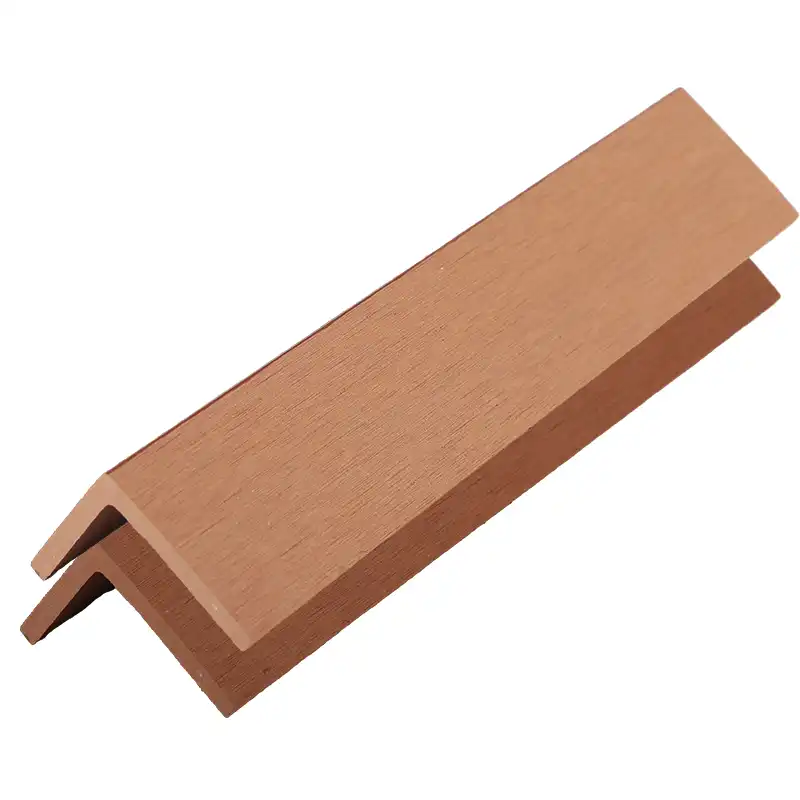
The WPC corner line is a big step forward in building outside walls. It looks and feels better and lasts longer than older materials. This hybrid material is made of polyethylene (PE), modern chemicals, and 60% wood flour. It is a strong, weather-resistant material that keeps its shape and look. WPC corner lines are important in modern construction because they work well in all kinds of weather, from the very hot Middle East to the cold Northern Europe. This makes them a necessary part of procurement professionals'search for dependable, long-term building solutions.
Understanding WPC Corner Line and Its Core Benefits
Plastic Wood When polyethylene (PE) and wood flour are mixed together in advanced manufacturing processes, they create composite corner lines. These materials outperform traditional ones in both performance and sustainability. The co-extrusion method used for manufacturing makes sure that each profile has the same density and strength all the way through, which means that the goods keep their shape when they're exposed to different external forces.
Superior Weather Resistance and Durability
WPC corner lines are able to withstand bad weather because of their improved material and the way they are carefully made. Laboratory tests show that they are suitable for difficult outdoor uses. The UV aging test results show that after 1,000 hours of strong exposure, the color loss rates are less than 3%. This is much better than wood options that show 10–15% degradation in the same conditions.
Temperature cycle testing reveals no cracking when subjected to extreme variations from -30℃ to 70℃, making these products suitable for regions experiencing dramatic seasonal temperature swings. There is no burning after the 72-hour rain test, which means that moisture entry resistance guards the wall structures behind the surface from water damage and the deterioration that comes with it.
Environmental Sustainability and Compliance
These days, building projects are more focused on being environmentally friendly. WPC corner lines are made of reusable materials and have a lower effect on the environment, making them a great choice for sustainability. The CE and SGS clearances make sure that strict European and foreign standards are followed. This gives buying professionalstrust in the materials they choose.
The wood that comes from trees that are handled carefully works with recycled plastic parts to make a circular economy method that lowers waste and improves performance. This awareness of the environment goes along with green building projects and the LEED certification standards that are being asked for more and more by business and government projects.
Comparing WPC Corner Line with Alternative Materials
When it comes to procurement decisions, all possible choices must be carefully considered. Knowing how WPC corner lines stack up against more common materials gives you crucial information that helps you plan your buying. Each type of material has its own pros and cons that affect both the amount of money that needs to be spent initially and the long-term success of the project.
WPC Versus Traditional Wood Solutions
Because of rot, bug damage, and weather damage, wood corner trim needs to be painted, sealed, and replaced often. WPC options don't have these problems because they are naturally resistant to wetness and organic decay. The extra cost of WPC goods is usually paid back in three to five years through lower upkeep costs and a longer service life.
Natural changes in grain structure and moisture content can cause quality and supply chain issues in wood goods. WPC manufacturing methods make sure that the quality of all production runs is the same. This gives procurement managers reliable specs and performance details that are necessary for big projects.
Performance Comparison with PVC and Aluminum
PVC corner lines can stand up to bad weather, but they don't look or work as well as WPC ones in terms of temperature. While aluminum is long-lasting, energy-efficient building coverings made with this material must use special fitting methods and be carefully designed to avoid thermal bridging.
WPC corner lines give you the best mix of performance features because they are easy to work with, look good in many settings, and avoid damage from the weather. The heat qualities of this material make it a better insulator than metals and keep it from changing shape better than plastic goods.
Installation and Maintenance Guide for WPC Corner Lines
People who know about WPC corner lines and how to place them correctly will be able to do it successfully. The co-extrusion production process makes things that are uniformly dense and easy to work with, so they can be used with common woodworker tools and methods but also lead to better results.
Installation Best Practices and Techniques
When you add WPC corner line, you use common woodworking tools like circle saws, miter saws, and regular screws. The material is made in a way that allows clean cuts without splintering, and its even density means that the fasteners will stay in place for the entire lifetime of the product.
Proper spacing takes thermal expansion into account. Usually, there should be a gap of 6 to 8 millimeters for every 3 meters of length so that the material can move when the temperature changes. Fasteners made of stainless steel or polished metal don't rust and make sure that long-term connection stability.
Maintenance Protocols and Longevity
WPC corner lines don't need to be taken care of as much as older materials do. This lowers the cost over the lifetime of the project and makes it more valuable. Cleaning once a year with gentle soap keeps the look of the material by getting rid of dirt on the surface without hurting the protected coating.
Because the product doesn't need to be painted or sealed, it doesn't have to be fixed up all the time, and it looks good even after a long time of being used. Regular checks are more concerned with the stability of the fasteners and making sure that water drains properly around the placement points than with the way that materials break down in older methods.
Strategic Procurement of WPC Corner Lines for B2B Clients
WPC corner lines buying tactics that work include looking at suppliers, making sure quality is high, and thinking about the logistics of getting things done. The 500-meter minimum order number gives medium-sized home projects and big business developments the ability to save money on bulk pricing.
Supplier Evaluation and Quality Standards
Corner line WPC makers with a good reputation have a lot of different certificates, such as CE marking and proof of SGS testing. These certificates show that the work meets international standards for safety and performance that are important for business and educational projects.
The ability of the providers to meet the project's deadlines and number needs is checked by production capacity assessment. The 15-day arrival time fits most construction schedules and lets other building trades and supply deliveries plan ahead.
Packaging and Logistics Considerations
Professional packing like cardboard boxes, weaving bags, and wooden cases can be used with different shipping ways and to meet the needs of different destinations. Custom packing keeps items safe during foreign shipping and makes it easier to handle and store things on the job site.
Global shipping makes sure that packages get to a wide range of places on time, and tracking systems let customers see where their packages are in the logistics chain. This dependability is very important for building projects with tight deadlines, since delays in getting materials will affect the total finish date.
Case Studies and Practical Insights
WPC corner line efficiency can be seen in real-world uses showing how it works in a range of climates and building styles. The material works well in warm climates, which is shown by resort patio wall projects in Southeast Asia. Installations in cold Northern Europe show that the material can handle low temperatures.
Middle Eastern High-Temperature Applications
In the Middle East, high heat, UV exposure, and temperature cycles make it hard for normal materials to be used on projects. WPC corner lines show great performance with little color fading and no loss of structure after several seasons in temperatures over 50℃.
The material's UV stability stops the chalking and brittleness that are common in all-plastic options, and its thermal expansion properties stay within the range of acceptable levels for use in buildings.
Northern European Cold Climate Performance
In places where it's cold, WPC corner line strength is tested under freeze-thaw cycle and long periods of below-zero temperatures. In Scandinavian markets, projects have shown no breaking or delamination after several winter seasons, which shows that the material is good for difficult northern climes.
Since it doesn't absorb wetness, this material doesn't get damaged by freezing like wood goods do. It also resists changes in temperature, which makes it great for outdoor use.
Conclusion
WPC corner lines are a big step forward in the materials used to build outside walls. They work better, last longer, and are cheaper than older materials. Co-extrusion making of 60% wood flour and polyethylene makes goods that look good, stay strong, and work well in a wide range of temperatures and weather situations. Procurement pros get projects done on time with fewer upkeep needs, longer service lives, and dependable supply chain performance. With the CE and SGS approvals and evidence of performance in harsh settings from Middle Eastern heat to Northern European cold, WPC corner lines are clearly the best choice for today's building projects that want long-term value, sustainability, and longevity.
Frequently Asked Questions
Q1: How does the WPC corner line's longevity stack up against that of standard wood corner lines?
A: WPC corner lines are much better than traditional wood because they fight moisture better, don't rot or get damaged by insects, and stay stable under UV light so they don't break down. After 1,000 hours of UV exposure, less than 3% color loss was seen in tests. In contrast, wood options usually need to be replaced after 5 to 10 years because of damage from the weather.
Q2: Can the corner lines of WPC be made to fit certain sizes for one-of-a-kind home exteriors?
A: Yes, the co-extrusion production method can make special shapes and sizes to meet certain building needs. Setting a minimum order of 500 meters makes it possible to customize things while still keeping costs low for home and business projects.
Q3: What do you have to do to WPC corner lines to keep them looking new over time?
A: WPC corner lines don't need to be taken care of very often, just once a year with a light cleanser. Unlike wood substitutes, this doesn't need to be painted, sealed, or refinished, which greatly lowers the cost and amount of work needed to keep it in good shape.
Partner with Dingyue for Superior WPC Corner Line Solutions
For outdoor wall projects around the globe, you can count on Dingyue as your WPC corner line maker, providing top-notch quality and a dependable supply chain. With our high-tech co-extrusion production and wide range of certifications, we can make sure that the materials for your projects will beat performance goals while also meeting global standards. We help you meet your buying goals by professionally delivering 15-day plans and flexible packing choices. Are you ready to take your next outdoor wall job to the next level? For more information, to get a sample, or to get a good deal on bulk prices that are tailored to your needs, email us at dingyue@dywpcpvcpanel.com.
References
1. Building Materials Research Institute. "Performance Evaluation of Wood Plastic Composite Materials in Exterior Applications." Journal of Construction Materials, Vol. 45, 2023.
2. International Association of Building Material Manufacturers. "Sustainability Standards for Composite Building Products." Annual Technical Report, 2024.
3. European Committee for Standardization. "Wood Plastic Composites - Requirements and Test Methods for Exterior Applications." Technical Standard EN 15534-1, 2023.
4. American Society for Testing and Materials. "Standard Specification for Performance of Wood Plastic Composite Products." ASTM D7032, 2024.
5. Green Building Council. "Environmental Impact Assessment of Alternative Building Materials." Sustainability Research Quarterly, Vol. 28, 2023.
6. Construction Industry Research Association. "Lifecycle Cost Analysis of Exterior Trim Materials in Commercial Applications." Technical Bulletin 156, 2024.