Are WPC Panels Good for Hot Middle East Weather?
The very hot and rough weather in the Middle East makes it hard to find building materials that will last. As the heat rises and the humidity changes, the inside walls have to stand up to these harsh conditions while still looking good. This is where WPC (Wood Plastic Composite) indoor wall panels come in as a big help. But can they really handle the harsh weather in the Middle East? Let's take a closer look at WPC indoor wall panels and see if they are a good fit for places that get really hot.
Understanding WPC Indoor Wall Panels
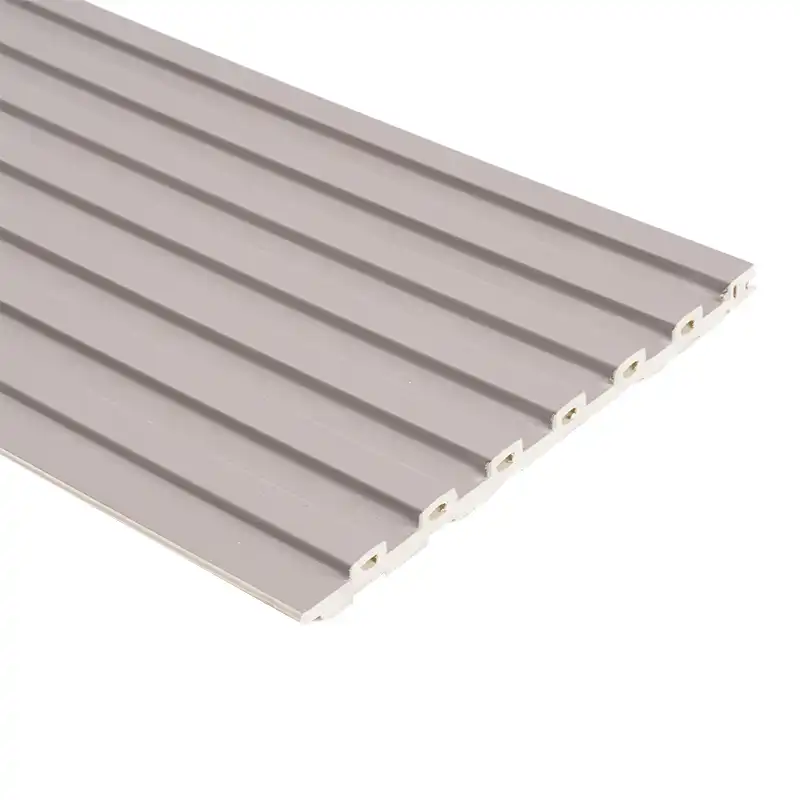
WPC indoor wall panels are a new hybrid material that is made of plastic and wood, combining the best qualities of both. This fusion creates a product that combines the benefits of each type of material, giving you the warm, natural look of wood with the strength of plastics.
Composition and Manufacturing Process
Most of the time, WPC indoor wall panels are made from a mix of PVC and calcium powder. In the process of making this product, these materials are heated and pressed together to make a thick and even result. This method makes it possible to fine-tune all of the panel's qualities, which makes the material perfect for certain uses.
The WPC indoor wall panel factory uses cutting-edge tech to make sure that quality and performance are always the same. The right mix of wood and plastic is carefully worked out to get the best strength, longevity, and look. This very careful method of making things is the key to making walls that can handle tough weather circumstances.
Key Features of WPC Indoor Wall Panels
WPC indoor wall panels have a number of features that make them unique in the field of interior design:
• Water-resistant: WPC panels don't soak up wetness like regular wood does, so they're great for places that are usually wet.
• Longevity: WPC is made of different materials, which makes it last longer than many other common materials.
• Aesthetic versatility: WPC panels can be made to look like different kinds of wood grains and shapes, which gives you a lot of design choices.
• Easy to care for: These panels don't need much work, which saves time and money in the long run.
All of these things make WPC indoor wall panels a great choice for many different uses, particularly in areas with difficult weather like the Middle East.
WPC Indoor Wall Panels in Hot Middle Eastern Climates
The Middle East is famous for its very hot and very cold weather. In many places, the temperature in the summer is often over 40°C (104°F). That much heat can hurt building materials, making them bend, crack, or fade. Let's take a look at how WPC indoor wall panels hold up in these situations.
Heat Resistance Properties
In hot places, one of the most important things to look out for is whether materials can stay intact in the heat. WPC indoor wall panels have been designed to do a great job with this. The plastic in WPC panels can handle much higher temperatures than those found in Middle Eastern weather without melting. This means that WPC panels keep their shape and look even on the hottest days.
Also, the wood fibers in WPC indoor wall panels help keep heat in and out. This can help buildings use energy more efficiently, which helps keep the inside cool and takes some of the pressure off of air conditioning systems. Because WPC panels are thermally stable, they won't be as likely to expand or contract a lot when the temperature changes. This lowers the chances of getting gaps or buckling over time.
Moisture Resistance in Humid Conditions
The Middle East is mostly known for dry heat, but high humidity can happen in the coastlines and certain times of the year. In these situations, regular wood panels might soak up water, which can make them swell and bend or even cause mold to grow. On the other hand, WPC indoor wall panels are made to repel wetness very well.
The plastic in WPC stops wetness from getting into the material. This makes a screen that can keep its shape and strength even when it's wet. WPC indoor wall panels are a good way to make bathrooms, kitchens, or other places that are often wet look nice while also protecting the walls.
Advantages of WPC Indoor Wall Panels for Middle Eastern Interiors
WPC indoor wall panels are good for Middle Eastern homes because they have several benefits besides being able to handle hot and muggy conditions.
Energy Efficiency and Insulation
In places where the cost of cooling is a big deal, WPC indoor wall panels can help make a building more energy efficient by insulating it. WPC panels block heat better than many other wall materials because of their hybrid structure. This can help keep the inside of the building cooler, which might mean that less energy is needed to run the air conditioning.
The WPC indoor wall panel plant works on making panels with the best density and makeup to improve these shielding qualities. WPC panels can help Middle Eastern houses and buildings save energy and feel more comfortable by making the indoor temperature more stable.
Durability and Longevity
In the Middle East, harsh weather can speed up the breakdown of building materials. WPC indoor wall panels are designed to last, resisting scratches, hits, and general wear and tear. This durability is especially useful in places with a lot of people or businesses where the walls might be touched more often.
Also, WPC panels are less likely to bend, crack, or delaminate over time because they stay stable when the temperature and humidity change. This strength means that WPC indoor wall panels don't need to be replaced or fixed as often, so they are a cost-effective choice in the long run.
Design Flexibility and Aesthetic Appeal
In Middle Eastern interior design, old and new styles are often mixed together. WPC indoor wall panels are flexible enough to go with any kind of design. These panels can look like different kinds of wood and come in many colors, textures, and patterns, even ones with their own special designs.
WPC panels can be customized, which lets designers use current material tech to make unique spaces that are in line with the look and feel of the area. WPC indoor wall panels give you a chance to be creative with how you decorate your home, whether you want to copy the bright colors of old Arabic woodworking or make smooth, modern surfaces.
Installation and Maintenance in Middle Eastern Conditions
WPC indoor wall panels work well in hot Middle Eastern regions, but only if they are installed and kept up properly.
Installation Considerations for Hot Climates
When putting up WPC indoor wall panels in hot places in the Middle East, these things must be kept in mind:
• Acclimatization: Before installing the WPC panels, they should be able to get used to the way things are in the area. This helps keep bending or growth from happening after installation.
• Expansion gaps: WPC indoor wall panels are more stable than wood, but installers should still leave small gaps so that the panels can expand a little in very hot weather.
• Choosing an adhesive: Using heat-resistant glue makes sure that the panels stay firmly connected even when the temperature goes up.
• Ventilation: Making sure there is space behind the walls for air to flow can help control the temperature and stop moisture from building up.
To be sure that you get the best results, it is a good idea to have WPC indoor wall panels installed by professionals who know how to do it right and are aware of how the weather affects indoor wall panels in your area.
Maintenance Tips for Longevity
WPC indoor wall panels don't need a lot of work done on them, which is one of their main benefits. But, in Middle Eastern conditions, they can keep looking and working well by doing a few easy things:
• Cleaning often: Use a soft, wet cloth to dust and clean the panels so that any dust or waste that has built up is removed.
• Don't use strong chemicals: To avoid hurting the panel surface, use light cleaners that are neutral pH.
• Quick spill cleanup: WPC panels resist moisture, but quick cleanup of spills is still best to avoid possible stains.
• Keep an eye out for any changes. Check the panels every so often for any signs of color change or bending, especially where they are in the sun or where there is a lot of moisture in the air.
By doing these easy upkeep tasks, WPC indoor wall panels can stay beautiful and useful for a long time, even in the difficult Middle Eastern environment.
Conclusion
In hot Middle Eastern weather, WPC indoor wall panels are a great and useful option for internal walls. Because of how they're made, they can handle the high temperatures and changing humidity levels that are common in the area. They also look good in a variety of settings and have useful features.
WPC indoor wall panels can handle the tough weather conditions of the Middle East because they are heat and moisture resistant and UV stable. They are even more appealing for homes and businesses in the area because they are energy efficient, durable, and don't need to be taken care of often.
As people around the world become more aware of the need for environmentally friendly construction methods, WPC panels' eco-friendly qualities also fit with the rising environmental awareness in the Middle East. Builders and homes in the Middle East can have beautiful, long-lasting, and climate-friendly designs that last through time and weather by using WPC indoor wall panels.
Choose Dingyue for Premium WPC Indoor Wall Panels | Dingyue
Dingyue is a company that stands out in the industry for making great WPC indoor wall panels. After more than ten years in business, we have become a trusted name in eco-friendly decorating materials because of our promise to sustainability and innovation. Our cutting-edge 30,000-square-meter production center has more than 150 high-tech production lines that make sure quality is always maintained and customization is done quickly and easily. We're proud of the fact that we can sell our goods in over 60 countries and make them fit the needs of each one. For the best WPC indoor wall panels that look good, last a long time, and are good for the environment, choose Dingyue. To find out how our WPC indoor wall panel business can meet your needs, email us at dingyue@dywpcpvcpanel.com.
References
1. Al-Homoud, M.S. (2005). Performance characteristics and practical applications of common building thermal insulation materials. Building and Environment, 40(3), 353-366.
2. Ashori, A. (2008). Wood–plastic composites as promising green-composites for automotive industries! Bioresource Technology, 99(11), 4661-4667.
3. Beg, M.D.H., & Pickering, K.L. (2008). Mechanical performance of Kraft fibre reinforced polypropylene composites: Influence of fibre length, fibre beating and hygrothermal ageing. Composites Part A: Applied Science and Manufacturing, 39(11), 1748-1755.
4. Stark, N.M., & Matuana, L.M. (2007). Characterization of weathered wood–plastic composite surfaces using FTIR spectroscopy, contact angle, and XPS. Polymer Degradation and Stability, 92(10), 1883-1890.
5. Zor, M., Gardner, D.J., & Walinder, M.E.P. (2014). Wetting of Wood Plastic Composite (WPC) Surfaces: Effects of Plastic Type and Composition. Journal of Adhesion Science and Technology, 28(14-15), 1401-1417.
Get a Quote Today – Discover Our Eco-Friendly Decorative Solutions.
“Business Type:Distributor / Contractor / Builder”