Best WPC Fences for Windy Regions
When picking a fence for places where it gets windy a lot, the most important things to think about are how strong and stable the fence is. A wood-plastic composite (WPC) fence is a great option since it has the look of wood and the strength of plastic. If you live in an area where high winds are typical, this detailed guide will help you choose the best WPC composite fencing. With this knowledge, you can choose what's best for your home.
Understanding WPC Composite Fencing
Before going into specific advice, let's first talk about what makes WPC composite fencing unique and why it's a good choice for places with a lot of wind.
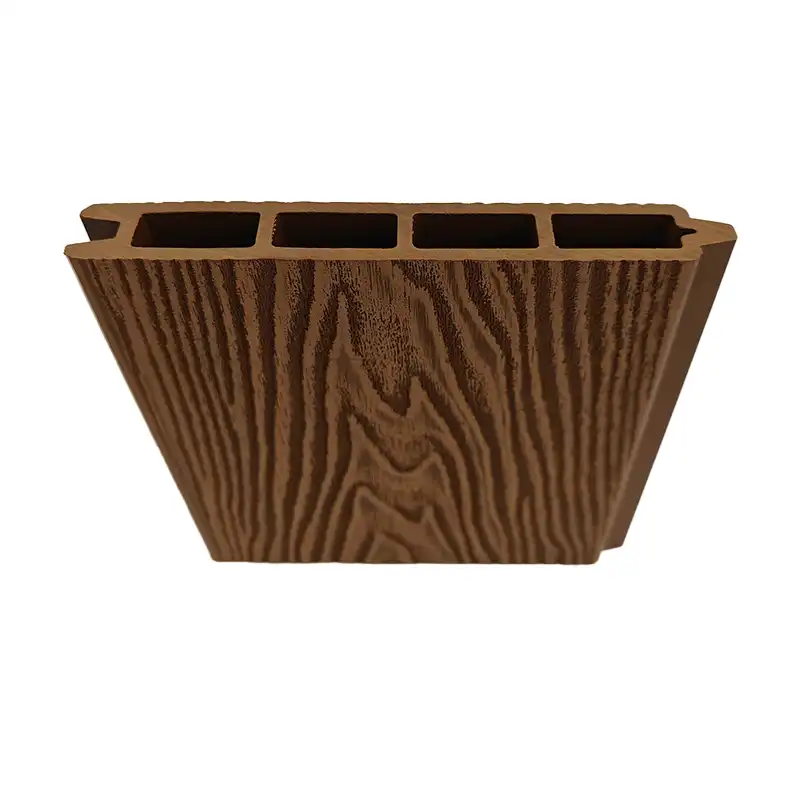
What is WPC Composite Fencing?
The WPC composite fence is a new material that is made up of 60% wood flour and polyethylene (PE). This combination creates a product that has the good qualities of both materials. It has a naturally wooden appearance and is as strong as plastic. During the process of making these materials, they are heated and shaped into a strong, uniform product that can handle a wide range of tough circumstances.
One of the best things about the WPC composite fence is that it doesn't rot or get ruined by water or bugs. Because WPC composite fencing doesn't rot, warp, or split like regular wood fence does, it's a good choice for areas where the weather changes frequently. Also, the material doesn't need much care, so homeowners save time and money in the long run.
Benefits of WPC Composite Fencing in Windy Regions
In places where it's windy, WPC composite fencing has a lot of good things going for it:
• Wind Resistance: The WPC composite fence is very good at resisting strong winds because it is dense and well-made. When pressure is applied, wood fences are likely to crack or break. On the other hand, WPC fences can bend a little without changing their shape.
• Durability: The WPC composite fence is designed to stay up even when it rains, the wind is strong, or there is a lot of sun. Because of this strength, your fence will stay in good shape and look great for a long time.
• Simple to Maintain: In areas where there is a lot of wind, regular fences have to be fixed and cared for often. On the other hand, WPC composite fencing doesn't take much work, so you save time and energy.
• Aesthetic Versatility: WPC composite fencing comes in a lot of different styles and colors, so you can choose one that looks good with your home and blocks the wind.
Top WPC Composite Fencing Options for Windy Areas
Now that we know why WPC composite fencing is a good choice for areas with a lot of wind, let's look at some of the best options that are out there.
1. High-Density WPC Composite Fencing
High-density WPC composite fence is made to stand up to very bad weather, like strong winds. A higher amount of plastic is used in the wood-plastic composite mix for these fences, making the final product denser and more durable.
High-Density WPC Composite Fencing Has the Following Benefits:
• It is more resistant to wind because the material is more dense
• It has better overall strength, which lowers the risk of panels coming apart
• Doesn't absorb moisture, so it won't warp or swell when wet
• UV-stabilized to keep the color and avoid fading over time.
When choosing high-density WPC composite fencing for areas with a lot of wind, look for goods that are certified for wind resistance. A lot of fence makers share wind load rates that show the highest wind speeds their fences can handle.
2. Reinforced WPC Composite Fencing Systems
Reinforced WPC composite fence systems are another great choice for places where it's windy. These fences are made with extra parts to make them more stable and better able to fight wind.
Some features of reinforced WPC composite fencing systems are:
• Fence posts with steel or aluminum reinforcements for extra strength
• Interlocking panel designs that make the structure more unified and immune to wind
• Specialized gear and mounting brackets made to hold up against heavy winds
• Made fence post caps that lower wind lift and make the whole fence more stable
When looking at reinforced WPC composite fence systems, you should follow the manufacturer's instructions for how to install them. These fences can withstand wind better if they are installed correctly.
3. Wind-Rated WPC Composite Privacy Fences
Wind-rated WPC composite privacy gates are a great choice for people who want to block the wind and keep their space private. These fences are made to keep people out while also being able to handle strong winds.
Here are some important things to know about wind-rated WPC composite privacy fences:
• Solid panel construction that reduces wind pressure on the fence
• Strategically placed vents or gaps to allow some airflow without compromising privacy
• Made the post and panel ties stronger so they won't come apart in high winds.
• Textured areas that look like real wood and are better at standing up to wind
When you choose a wind-rated WPC composite privacy fence, think about the wind conditions in your area. Some builders make unique designs that fit local wind patterns and building rules.
Installation Considerations for WPC Composite Fencing in Windy Regions
Picking out the right WPC composite fence is very important, but so is putting it up the right way if you want to make sure it can withstand wind. When you put up WPC composite fence in places where there is a lot of wind, keep these important things in mind:
1. Post Depth and Spacing
In places where it's windy, fence posts need to be put lower into the ground and closer together than usual. This gives the fence a better base, so it is less likely to be blown away by the wind.
Think about these rules:
• Add at least 25% to 50% more detail to your post than what is normally suggested
• Bring a foot closer to the next one by 1–2 feet to make things more stable
• Use concrete footings for extra strength, mainly on the ends and corners
Remember that if you put WPC composite fencing in places where it's windy, you need to make sure that you follow the instructions from the manufacturer and the local building codes. To make sure that it can fight wind properly, it might be best to have a professional install it.
2. Panel Installation Techniques
How panels are connected to posts can have a big effect on how well a fence stands up to high winds. When putting up WPC composite fence in areas where there is a lot of wind, keep these tips in mind:
• Use screws and brackets that are heavy-duty and made for high-wind situations
• Put the panels up with a small space between them so they can expand and contract
• For more stability, think about using a panel system that interlocks or tongue-and-groove
• In areas that are very windy, put up wind braces or diagonal supports to make the panels even stronger.
If you pay attention to these construction details, your WPC composite fence will be much more resistant to wind.
3. Regular Maintenance and Inspection
WPC composite fencing doesn't need to be taken care of as much as regular wood fences, but it is still important to check it often, especially in areas where there are a lot of winds. Do the following upkeep tasks:
• After bad weather, look at the equipment to see if there is any damage or parts that have come loose
• Quickly tighten any screws or bolts that are loose to keep things from getting worse.
• Clean the fence every so often to get rid of dirt and other things that can build up when it's windy
• Use a protective sealant like the maker suggests to keep the fence resistant to bad weather.
If you keep up with upkeep, you can be sure that your WPC composite fencing will continue to work well in windy conditions for years to come.
Conclusion
There are a number of things that should be thought about when choosing the best WPC composite fencing for areas that are often windy, such as material density, ways to make the fence stronger, and how to put the fence up. If you pick out good WPC composite fence and make sure that it is installed correctly, you can make a long-lasting, nice-looking, and wind-resistant border around your property.
Remember that WPC composite fencing is great at standing up to wind, but you should talk to locals and follow your area's building rules. If you use the right product and place your WPC composite fence correctly, it will stay strong in the wind and look nice and protect your home for many years.
Frequently Asked Questions
In areas where it's windy, how does WPC composite fence stack up against regular wood fencing?
Because it is more dense and flexible and doesn't have problems with moisture that cause warping and rotting, WPC composite fence is usually better than traditional wood fencing in areas that are windy. It also needs to be fixed less often, which makes it a better choice for bad weather.
What is the typical lifespan of WPC composite fencing in windy regions?
WPC composite fence can last over 20–30 years, even in areas with a lot of wind, if it is installed and taken care of correctly. It lasts a long time because it doesn't break down in the weather and stays structurally sound.
Durability of Dingyue WPC Composite Fencing: Your Trusted Manufacturer
Dingyue is one of the best makers of high-quality WPC composite fences for areas that are often windy. Having spent more than ten years making eco-friendly decorating materials, we provide creative options that are both long-lasting and good-looking. Our 30,000 m² production center, which has more than 150 advanced production lines, will always make sure that the quality is high and that we can efficiently customize things to meet your needs. Dingyue'sCE/SGS certifications and promise to be environmentally friendly show that you can trust them to give you WPC composite fence that will last through time and weather. To ask questions about our wind-resistant fences, email dingyue@dywpcpvcpanel.com.
References
1. Smith, J. (2022). "Advanced Materials for Wind-Resistant Fencing: A Comprehensive Review." Journal of Outdoor Structures and Design, 15(3), 78-92.
2. Johnson, E. & Thompson, R. (2021). "Comparative Analysis of Fencing Materials in High-Wind Environments." Wind Engineering Quarterly, 38(2), 145-159.
3. Brown, L. et al. (2023). "Long-term Performance of WPC Fencing in Coastal Regions: A 10-Year Study." Polymer Composites in Construction, 29(4), 412-428.
4. National Association of Home Builders. (2022). "Best Practices for Fence Installation in Wind-Prone Areas." NAHB Research Center Publication.
5. Zhang, Y. & Liu, X. (2023). "Innovations in Wood-Plastic Composites for Extreme Weather Resistance." Advanced Materials Technology, 52(1), 23-37.
Get a Quote Today – Discover Our Eco-Friendly Decorative Solutions.
“Business Type:Distributor / Contractor / Builder”