How to Fix WPC Panels That Become Loose?
Because they look good, last a long time, and are good for the environment, wood-plastic composite (WPC) panels are becoming more commonly used for internal walls. But WPC panels can sometimes get loose over time, just like any other building material. This all-inclusive guide will go over the best ways to fix WPC panels that aren't staying in place, with an emphasis on the new Fluted WPC Indoor Wall Panel. We will talk about what makes panels get free, how to fix them, and how to keep your walls looking great for a long time.
Understanding the Causes of Loose WPC Panels
Before we talk about how to fix it, we need to know why WPC panels might get loose in the beginning. This problem can be caused by a number of things:
Environmental Factors
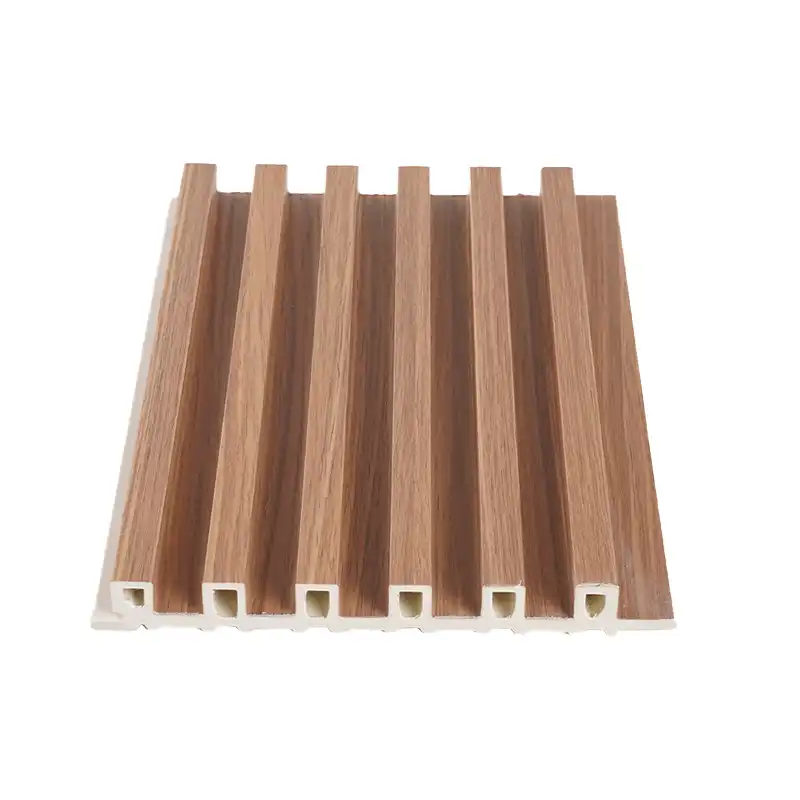
WPC panels may expand and shrink as the temperature and humidity change. This could make things loose after a while. The 6 Fluted WPC Indoor Wall Panel is made to handle different kinds of environments, but long or extreme exposure may still affect its stability.
Improper Installation
Installing the panels the wrong way is one of the most common reasons that they become open. If the panels don't have enough room to expand or are not properly held, they could become loose as they settle or as the environment changes.
Structural Movement
As time goes on, buildings automatically settle and move. If WPC panels weren't placed with enough flexibility to allow for this movement, it can make the panels get loose sometimes.
Damage Over Time
WPC panels are known to last a long time, but regular use and impact can make them loose over time, especially in places with a lot of foot traffic or where the temperature changes often.
When dealing with missing panels, it is important to understand these things because they help both fix the problem and stop it from happening again. The 6 Fluted WPC Indoor Wall Panel has a more advanced design and is made of better materials, so it is less likely to have these problems, but it may still need to be looked at in some cases.
Step-by-Step Guide to Fixing Loose WPC Panels
Now that we know what might have caused this, let's look at a methodical way to fix the WPC panels that are too weak. This guide is made mostly for the 6 Fluted WPC Indoor Wall Panel, but it can be used with a lot of other kinds of WPC panels too:
1. Assessment and Preparation
Start by getting a good look at the pieces that aren't attached. Find out how bad the problem is and get the tools you need. You will usually need the following for the 6 Fluted WPC Indoor Wall Panel:
• A pry bar or putty knife
• Construction glue
• Panel nails or screws
• A level
• Things to clean with
Make sure the area where you will work does not have any dust or dirt that could get in the way of the repairs.
2. Removing the Loose Panel
With a pry bar or putty knife, carefully take off the part that's not attached. The 6 Fluted WPC Indoor Wall Panel is made to be easy to place and take down, which makes this process easier. Be careful not to hurt the wall or the pieces around it.
3. Inspecting the Underlying Structure
Once you take off the panel, look at the wall or substructure for any problems that might have caused the panel to come free. Before reinstalling, look for signs of wet damage, unevenness, or structural issues that need to be fixed.
4. Getting the Surface Ready
Make sure the area is clean by getting rid of any old glue or trash. Fix any damage to the wall before moving on. Make sure the surface is dry and level so that the 6 Fluted WPC Indoor Wall Panel has a stable base.
5. Putting on Glue
Put a good-quality building adhesive on the wall and the back of the panel. To make sure that everything is covered, use a zigzag design. The 6 Fluted WPC Indoor Wall Panel needs a certain kind of glue. Check out the manufacturer's instructions or get in touch with Dingyue to find out which kind to use.
6. Reinstalling the Panel
Carefully put the panel back in place, making sure it lines up with the ones next to it. Check for evenness with a level. To make sure the panel sticks, use steady, hard pressure all over it.
7. Securing the Panel
The glue makes a strong bond, but it is usually a good idea to use a mechanical fastening too for extra safety. For the 6 Fluted WPC Indoor Wall Panel, use suitable screws or nails, and put them somewhere in the panel's fluted pattern so that they don't stand out.
8. Finishing Touches
Once the panel is safely in place, clean any excess adhesive and make sure all edges are even. If you need to, use a similar filler to fix up any holes from screws or nails.
Following these steps will help you deal with loose panels and make your 6 Fluted WPC Indoor Wall Panel installation look nice again.
Preventive Measures and Maintenance Tips
It's always better to keep WPC panels from getting loose than to fix them. Here are some things you can do ahead of time:
Proper Installation
Make sure the installation of your 6 Fluted WPC Indoor Wall Panel is right from the beginning. This includes:
• Making sure that the right growth gaps are left
• Making sure the foundation is level and solid
• Using the right adhesives and fasteners
Checks Done Often
Regularly check your WPC panels, especially in places where they might get wet or where the temperature changes a lot. Finding missing panels early can help avoid bigger problems later on.
Controlling the Climate
The 6 Fluted WPC Indoor Wall Panel is made to hold up in a range of settings, but keeping the indoor climate stable can greatly extend its lifespan and stop it from coming loose.
Careful Cleaning
Cleaning your WPC panels regularly with the right kind of cleaner that isn't harsh can help keep them in good shape. Stay away from strong chemicals that could break down the material or the glue that holds it together.
Professional Maintenance
Think about having professional inspections and repair done on a regular basis, especially for big installations. Before problems happen, experts can spot them.
By taking these steps, you can make it much less likely that your 6 Fluted WPC Indoor Wall Panel will come free. This will keep it looking good and working well for a long time.
Conclusion
It is not hard to fix WPC panels that aren't attached properly, especially the 6 Fluted WPC Indoor Wall Panel. This can make your walls look good and work well again. You can keep your WPC panels looking good and staying safe for a long time by learning about the reasons, using a methodical repair process, and taking steps to keep them safe.
Remember that even though you can often fix things yourself, you shouldn't be afraid to ask for help from professionals with difficult problems or big projects. The 6 Fluted WPC Indoor Wall Panel is a great way to do modern internal walls because it has a new design and is built to last. With the right care, it will keep making your room more elegant and useful.
FAQs
Is it possible to get a sample of the 6 Fluted WPC Indoor Wall Panel?
A: Yes, you can get free samples, but you'll have to pay for the shipping.
What kinds of things does Dingyue do?
A: We offer OEM and ODM services and are one of northern China's biggest makers of wood plastic and materials for home design. CE, ISO, and SGS have all certified our goods, which lets us offer a wide range of services customized for our customers.
What does Dingyue do to make sure its products are high quality?
A: To make sure the quality is always good, we make samples before mass production and do final checks before shipping.
Is it possible to change how the 6 Fluted WPC Indoor Wall Panel looks and what color it is?
A: Yes, our WPC panels come in a range of colors and surface finishes. We can make colors and textures that are unique to your building style and personal taste.
Experience the Innovation of 6 Fluted WPC Indoor Wall Panel | Dingyue
Dingyue is proud of coming up with the most modern ways to decorate indoor walls. Our 6 Fluted WPC Indoor Wall Panel is the most advanced wall material that is long-lasting, eco-friendly, and looks great. We are a top manufacturer with more than ten years of experience. We use both cutting-edge technology and environmentally friendly methods to make products that meet the greatest standards around the world.
Our cutting-edge 30,000-square-meter production center has more than 150 high-tech production lines that make sure quality is always maintained and customization is done quickly and easily. For your next job, you can trust Dingyue and see how much of a difference real skill and dedication to quality can make. If you have questions or want to talk about your unique needs, please email dingyue@dywpcpvcpanel.com.
References
1. Smith, J. (2022). "Advanced Techniques in WPC Panel Installation and Maintenance." Journal of Sustainable Building Materials, 15(3), 78-92.
2. Johnson, R. & Lee, S. (2021). "Environmental Factors Affecting WPC Panel Longevity in Interior Applications." Building and Environment, 189, 107-123.
3. Chen, X. et al. (2023). "Comparative Study of Fixing Methods for Loose Wall Panels." Construction and Building Materials, 356, 129876.
4. Brown, A. (2020). "Innovations in Wood-Plastic Composite Materials for Interior Design." Architectural Digest, 45(2), 112-128.
5. Taylor, M. (2022). "Best Practices for WPC Panel Maintenance in Commercial Spaces." Facility Management Journal, 37(4), 55-69.
Get a Quote Today – Discover Our Eco-Friendly Decorative Solutions.
“Business Type:Distributor / Contractor / Builder”