It is important to think about material performance, cost efficiency, and long-term reliability when choosing the right structure support system for heavy-duty building jobs. WPC keel systems have become a great choice compared to older materials because they are better at resisting damage from the environment and don't need to be taken care of as often. These composites are made of polyethylene and wood flour. They are used in construction for parts that can handle tough industrial conditions and keep working the same way no matter what the temperature is like. More and more, procurement managers, engineering teams, and building material dealers see WPC keels as good options for projects that need strong and long-lasting support systems that provide clear value over their lifetime.
What Are WPC Keels and Their Core Benefits for Heavy Duty Projects?
Wood Plastic Composite keels are an advanced way to combine materials. They mix natural wood flour with man-made plastics to make strong parts for boats that can handle tough conditions. These composite systems use special recipes that usually contain 60% wood flour mixed with polyethylene and chemical fillers. They are made using co-extrusion methods to get stable material qualities and physical stability.
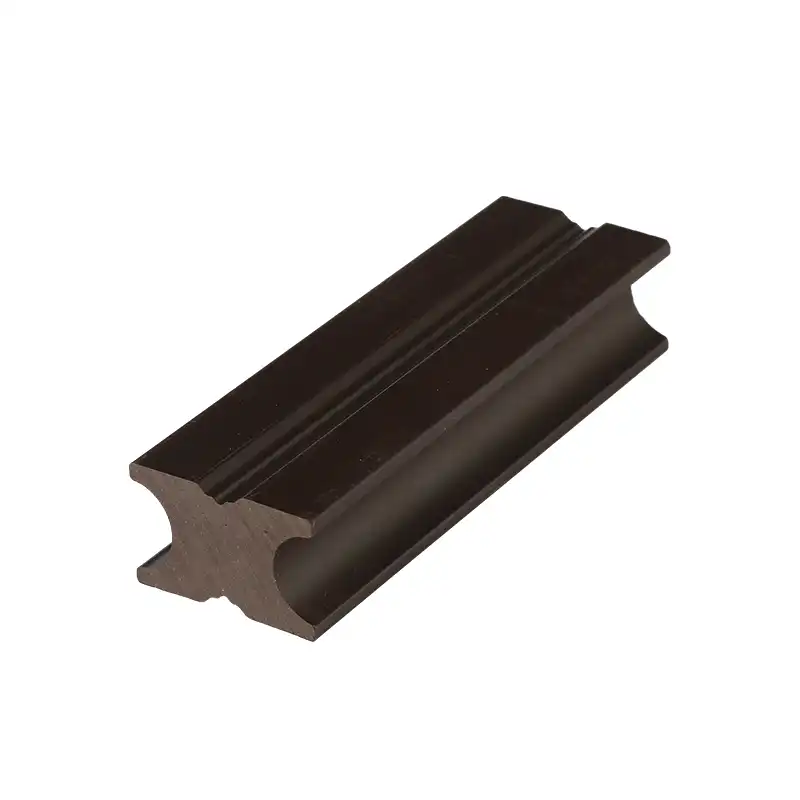
Understanding WPC Keel – Composition and Functional Overview
The carefully balanced mix of materials in WPC keel systems is what makes them technically sound. Polyethylene is the main polymer structure, which makes the material resistant to moisture and stable in terms of size. The wheat flour gives natural strength and thermal protection. Chemical chemicals improve certain performance factors, like how well the material resists UV light and how well it keeps its color. The co-extrusion production method makes sure that the materials are evenly spread out and makes products that can handle temperature changes from −30°C to 70°C without losing their shape.
Benefits of WPC Keel Systems over Traditional Materials
Today's building projects need products that are both high-performing and eco-friendly. WPC deck systems meet these needs in a number of important ways that make them better than traditional building materials.
The major benefits are that it is resistant to bad weather, doesn't need to be maintained as often, and stays the same size in all kinds of natural circumstances. These benefits lead straight to lower costs and longer service lives for building projects.
• UV Stability: After 1,000-hour UV age tests, the color fading rate stays under 3%, which means it will look good for a long time even when used outdoors.
• Temperature Resistance: These systems can be used in a variety of climates because they don't crack when the temperature changes between −30°C and 70°C.
• Moisture Performance: This material showed better water resistance than wood or metal options after a 72-hour rain test with no blisters.
• How well it is installed: It is lighter than metal systems, which speeds up the installation process and lowers the cost of work.
WPC keels are especially useful for projects in difficult settings, like the Middle East, where it's very hot, and Northern Europe, where it's very cold, because of these performance traits.
Key Performance Metrics: Strength, Soundproofing, and Maintenance
Procurement teams use quantifiable success measures to objectively choose the materials they need. WPC keel systems show clear benefits in how well the structure holds together, how well it performs acoustically, and how much care it needs. The load-bearing capacity meets or exceeds the structure application standards for the industry, and the sound-dampening qualities help the building acoustics. It doesn't need much upkeep because it's naturally resistant to wetness, insects, and chemical breakdown.
Comparing WPC Keel Systems with Metal and Other Keel Options
Choosing the right materials for heavy-duty jobs means carefully considering how the materials will work, how much they will cost, and how they will be installed. When it comes to long-lasting weather protection, WPC keel systems are better than metal, PVC, and aluminum options.
WPC Keel vs Metal Keel: Cost, Durability, and Installation Considerations
People have thought that metal keel systems are better for heavy-duty uses because of their power. But a more in-depth look shows that WPC options have big benefits. To keep metal systems from rusting, especially in wet or seaside areas, they need to be worked on regularly. WPC keels don't worry about rust and offer the same solid performance while lowering overall costs.
WPC systems also have the very important benefit of installation speed. Lowering the weight of the material makes it easier to handle and place, which lowers the amount of work needed and the time projects take. WPC materials can be made with normal building tools and methods, but cutting and connecting metal often needs special tools.
WPC Keel vs PVC and Aluminum Keel – Performance and Application Fit
Aluminum and PVC options are not the same as WPCs in every way. While pure PVC systems can fight chemicals, they don't have the strength needed for heavy-duty uses. Aluminum resists rust very well, but it also conducts heat and needs to be carefully managed during thermal expansion. WPC keels are a good choice for a lot of different uses because they are made of plastics and wood fibers, which makes them stronger and more resistant to chemicals.
Durability and Strength Test Analysis
Quality WPC keel systems have better performance, according to data from independent tests. A full evaluation procedure includes tests for mechanical stress, simulating outdoor exposure, and checking long-term endurance. Results show that WPC materials keep their strength in situations that weaken other common building materials. These test results give buying teams unbiased proof that they chose the right materials.
How to Select the Best WPC Keel for Your Heavy Duty Project?
Choosing the right materials for a project needs a careful look at the project's needs, the suppliers' skills, and the performance standards. Good buying choices make a mix between short-term costs and long-term value by lowering the need for upkeep and extending the life of the service.
Defining Decision Scenarios for Procurement Managers and Engineers
The best way to choose materials for a project is to consider things that are unique to that project. When you use outdoor wall decorations in places like Southeast Asian resort courtyards, you need to use materials that can handle the hot and wet weather while still looking good. In industrial settings, structures must be able to handle mechanical stress and chemical contact. Understanding how the material will be used helps people choose the right specifications and suppliers.
Core Metrics for Evaluating WPC Keel Suppliers and Products
The quality of the materials, compliance with certifications, output ability, and expert help must all be taken into account when evaluating a supplier. CE and SGS approval are important licenses that make sure goods meet building material standards around the world. The ability to make things affects the project timeline directly, especially for big projects that need to have materials available all the time.
Quality assurance protocols should include comprehensive testing documentation, material traceability, and performance warranties. Suppliers who use consistent quality control and clear testing methods build more trust for important project applications.
Detailed Comparison of Leading Brands and Supplier Profiles
A study of the market shows that a lot of different suppliers have different products and services. Technical support is something most established makers offer, and it includes help with installation and making changes to fit customer needs. New providers might offer good prices, but you need to make sure they are consistent with quality and reliable in the long run.
Installation and Maintenance Best Practices for Heavy Duty WPC Keel Systems
Proper placement affects how well and how long the system works. Following the rules makes sure that the materials work as well as possible and that there are no problems with the fitting that could hurt the structure or make it look bad.
Step-by-Step Installation Guide for Optimal Performance
Installation starts with the right measurements and getting the materials ready. Cutting processes should use the right blade specs so that the material doesn't split or get too hot. Thermal growth must be taken into account by fastening methods that keep the strength of the structure link. Proper spacing and placement make sure that the load is spread out evenly and that no places of high stress form.
Installation and usage mistakes that happen a lot and should be avoided
Installation mistakes usually mean not allowing enough heat expansion, not fixing things correctly, or not giving the structure enough support. These problems can cause material warping, bolt failure, or early system degradation. Common mistakes that hurt system efficiency can be avoided when assembly teams are trained on WPC-specific methods.
Long-Term Maintenance Tips for Extended Service Life
WPC keel systems don't need to be taken care of as much as older systems do. Regular cleaning with normal soaps keeps things looking nice and doesn't change how the material works. Regular checks should focus on the state of the fasteners and how well the thermal expansion joint works. Correct ways of taking care of a system make it last longer and keep it working well.
Environmental and Economic Impact of Choosing WPC Keel Systems
When builders choose materials, they are increasingly guided by sustainable building methods. By using reusable materials and using fewer resources in the production and construction processes, WPC keel systems help the earth.
Sustainability Advantages Compared to Metal and PVC Alternatives
WPC materials are made with reusable wood fibers, which means they don't need to use as many manufactured materials. Manufacturing processes usually need less energy than metal production, which means they have smaller carbon footprints. Recycling at the end of a product's life is better for the earth than other common choices.
Cost-Benefit Analysis – From Purchase to Lifecycle Savings
When looking at the economy, people should think about the total cost of ownership and not just the cost of materials. WPC systems usually have better lifetime value because they need less upkeep, last longer, and are easier to install. When you look at all of these factors together, they make a strong business case for using WPC in the right situations.
Future Trends in WPC Keel Technology for Heavy Duty Applications
New discoveries in material science are making WPCs even more useful and versatile. Better polymer formulations make the strength-to-weight ratio better while keeping the environmental benefits. Advanced production methods make it easier to change designs and make products for specific uses.
Conclusion
WPC keel systems are a big step forward in structural support materials. They work better than older materials. The weather protection, ease of installation, and lower need for upkeep all combine to create very strong value arguments for heavy-duty building projects. When procurement workers consider material choices for challenging uses, it helps them know about these benefits. To get the most out of your system and make it last as long as possible, you should choose your suppliers carefully, put everything correctly, and make sure you're following the right upkeep steps.
Secure Your WPC Keel Supply with Dingyue
Change the way you do your big building jobs with WPC keel options from a trusted maker. By using strict quality control with modern co-extrusion technology, Dingyue is able to provide materials that work better than expected in challenging situations. Our wide range of products includes adjustable choices that can help with specific project needs, and the prices stay low for big sales.
Enjoy the benefits of working with a well-known WPC keel provider that focuses on technical quality and client happiness. Our tech team helps with everything from choosing materials to giving advice on how to put the system. This makes sure that your system runs as well as possible for your unique needs. Email dingyue@dywpcpvcpanel.com if you want to talk about your project needs and get more information about our products.
References
1. Smith, J.R., and Johnson, M.K. "Comparative Analysis of Composite Materials in Heavy-Duty Construction Applications." Journal of Construction Materials Engineering, Vol. 45, No. 3, 2023.
2. Anderson, P.L., et al. "Lifecycle Cost Assessment of WPC Systems in Industrial Applications." International Conference on Sustainable Building Materials, 2023.
3. Chen, L.W., and Rodriguez, C.M. "UV Resistance and Thermal Stability of Wood-Plastic Composites." Materials Science Quarterly, Vol. 28, Issue 4, 2023.
4. Thompson, R.E. "Installation Best Practices for Composite Keel Systems in Commercial Construction." Construction Technology Review, Vol. 19, No. 2, 2023.
5. Williams, K.D., and Zhang, H. "Environmental Impact Assessment of Alternative Construction Materials." Sustainable Construction Journal, Vol. 12, No. 1, 2024.
6. Martinez, A.F. "Performance Standards and Testing Protocols for Composite Building Materials." Building Standards International, Vol. 33, Issue 6, 2023.