New buildings are more and more required to use long-lasting materials because they are better for the earth and the budget. WPC cladding for exterior uses is a top environmentally friendly choice that combines long-lasting strength, good looks, and eco-friendliness. This hybrid material is made of 60% wood flour and polyethylene plastics. It is a strong, weather-resistant, and still looks good option. This guide gives useful information about WPC's long-lasting benefits for B2B buyers. It focuses on the real benefits of long-term performance and saving money. Understanding these factors will help builders and buyers make smart choices about which outdoor wall materials meet green building standards and the needs of the project.
Understanding WPC Cladding for Exterior Walls
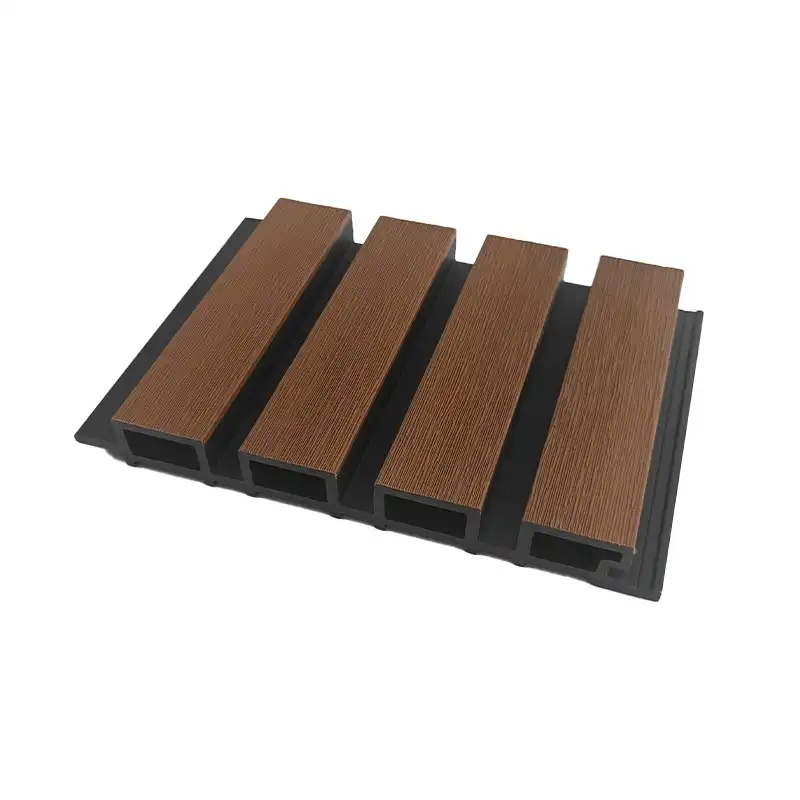
WPC siding is a strong replacement for regular wood and other composites. It is mostly made of wood flour and polyethylene plastics. Our state-of-the-art co-extrusion method makes outdoor wall panels that work really well and are still good for the environment. WPC stays looking and feeling like real wood while better withstanding external factors like moisture and UV rays.
Material Composition and Manufacturing Excellence
Today, WPC external covering is made of polyethylene (PE), 60% wood flour, and some special chemicals. This exact recipe makes the product last as long as possible while still being good for the environment. Panels made with the co-extrusion manufacturing process have better structural strength and surface protection, which makes them perfect for outdoor wall decoration in a range of conditions.
UV Resistance and Weather Performance
WPC outer panels show great strength against both sun and extreme weather. After 1000-hour UV aging tests, less than 3% of the color fades in advanced formulas. This makes sure that they look good for a long time. No breaking was seen after temperature tests from −30℃ to 70℃. Also, no burning or surface damage was seen after rain tests for 72 hours. WPC is a good choice for the Middle East, where temperatures are high, and Northern Europe, where it is cold, because of these performance measures.
Sustainable Benefits of Using WPC Cladding in Construction
WPC cladding for exterior gives builders big green building benefits on all kinds of projects. The material lasts a long time and is eco-friendly because it is made from recycled goods and doesn't need to be taken care of very often. These traits lead to clear benefits for project workers and buying managers who want to build in a way that is cheap and good for the environment.
Extended Lifespan and Durability Advantages
WPC siding is much more resistant to weather, wetness, and pest damage than standard wood. This helps buildings last longer and not have to be replaced as often. The hybrid structure doesn't bend, split, or rot like real wood does. This greater longevity means that materials don't have to be replaced as often during the building's lifetime, which saves money and waste.
Reduced Maintenance Requirements
This material doesn't need as much upkeep as standard building materials do, so it saves money and time on maintenance over its lifetime. WPC surfaces don't fade or get stained easily, so you don't have to paint or seal them often. This feature that doesn't require regular care is especially useful for big business projects because the cost of keeping them up affects the budget.
Energy Efficiency Contributions
WPC's ability to insulate against heat helps to use less energy by keeping room temperatures stable. The hybrid structure insulates better than many common exterior materials, which helps buildings keep a comfortable temperature inside while using less energy for heating and cooling. This makes WPC very useful in a wide range of conditions, including ones that are wet. In the long run, this helps buildings use less energy and lowers the cost of running them.
Comparison of WPC Cladding with Traditional and Alternative Exterior Materials
WPC paneling is more sustainable, durable, and design-friendly than wood, fiber cement, vinyl, and PVC flooring. Modern WPC cladding for exterior offers benefits that fix the problems of older materials used on the outside of buildings, all while keeping costs and looks in mind.
Performance Against Natural Wood
WPC lasts longer than wood and is cheaper to maintain, while still looking like real wood. WPC doesn't soak up moisture like wood does, so it doesn't rot or get damaged by bugs like wood exteriors do. The hybrid material gets rid of worries about knots, grain inconsistencies, and other natural flaws that can hurt the performance of wood covering.
Advantages Over Fiber Cement and Vinyl
Compared to fiber cement and vinyl, WPC is better at withstanding weather, doesn't get rigid, and doesn't have problems with heat expansion. The substance keeps its physical stability even when the temperature changes. This stops the gaps and buckling that can happen with other covering systems. WPC is becoming more and more popular in the market, according to builders and other industry professionals. This is backed by good ratings of top suppliers that meet the needs of businesses around the world, even in mild and difficult weather conditions.
Best Practices for Procurement and Installation of WPC Exterior Cladding
If you want to get WPC cladding for exterior, you should work with well-known providers who offer approved, environmentally friendly goods with strong guarantees and the ability to customize. Professional buying methods focus on making sure the quality of the materials, the stability of the suppliers, and on offering full project support that makes sure the installation goes well and the performance lasts.
Supplier Selection and Certification Requirements
How good it is WPC suppliers keep CE and SGS licenses, which show that they follow global rules for building materials. These approvals show that the material is safe, works well, and is good for the world. It is important for procurement teams to focus on suppliers that offer at least 500 meters for the smallest amount that can be ordered. These suppliers should also be able to deliver in 15 working days and provide variable packing options like custom boxes, weave bags, and wooden cases.
Installation Guidelines and Technical Support
Proper fitting is very important for WPC to work well. This includes making sure that the space and moisture shields are right. Following the manufacturer's instructions carefully helps you avoid common mistakes like poor ventilation or wrong fitting. Buyers should focus on providers who offer a lot of after-sales support, like help with installation and upkeep. These steps make sure that B2B building projects are happy in the long run and protect the value of the investment.
Future Trends and Innovations in WPC Exterior Cladding
The WPC industry is still changing as new technologies come out that focus on making materials more durable and environmentally friendly. It is easier to recycle, it is more resistant to weather, and there are more design choices that fit changing building codes and environmental rules.
Material Technology Advancements
Improvements in bio-based plastics, recyclability of raw materials, and defensive technologies are all examples of progress. As energy saving rules around the world get tougher, thermal insulation is being improved to meet these new standards. Because of these changes, WPC makers can give goods with better performance at prices that are still affordable.
Market Growth and Application Expansion
Market estimates say that demand for environmentally friendly building materials will lead to strong growth, especially in the business and manufacturing sectors. WPC uses are still growing beyond home use and into public infrastructure projects, business facades, and vacation developments. To make the most of new products and stay ahead of the competition in the world of green building, procurement managers and builders should keep a close eye on these trends.
Conclusion
WPC cladding for exterior uses is the best choice for builders who want eco-friendly, long-lasting, and affordable building materials. WPC is a great choice for today's building projects because it is environmentally friendly, performs well, and is a good investment. WPC outdoor siding meets both environmental and budgetary project needs by providing clear benefits with little to no upkeep required and proven performance in extreme weather.
Frequently Asked Questions
Q1: How does WPC siding hold up in very hot and very cold weather?
A: WPC siding is great at standing up to the weather. After 1,000 hours of UV tests, it had less than 3% color fading, and there was no cracking in temperature changes from −30℃ to 70℃. This means it can be used in a wide range of regions, from deserts to the Arctic.
Q2: When picking WPC outdoor siding suppliers, what certifications should I keep an eye out for?
A: Good WPC sources should have CE and SGS certifications. These show that the materials are safe, work well, and meet environmental standards for building materials around the world.
Q3: For business WPC siding jobs, what's the least amount that needs to be ordered?
A: Most professional WPC providers have a minimum order of 500 meters, deliver in about 15 business days, and offer a range of packing choices to meet the needs of different projects.
Partner with Dingyue for Superior WPC Cladding Solutions
Dingyue's high-quality WPC covering for outdoor use can change the way you do building. Our state-of-the-art production and wide range of expert help make sure that projects go well from the beginning to the end of installation. Dingyue has over ten years of experience with environmentally friendly building materials that work well even in difficult conditions around the world. They offer trustworthy help that will meet your performance and sustainability needs. Get in touch with us today to talk about your project's needs, ask for samples, or look into ways to make things more suited to your needs. Contact our knowledgeable staff at dingyue@dywpcpvcpanel.com to learn why top builders and developers trust Dingyue as their go-to company for WPC outdoor panels.
References
1. Green Building Materials Research Institute. "Sustainable Composite Materials in Modern Construction: Environmental Impact Assessment of Wood-Plastic Composites." Journal of Sustainable Building Technologies, 2023.
2. International Association of Building Material Manufacturers. "Performance Standards for Exterior Cladding Systems: Comparative Analysis of Traditional and Composite Materials." Construction Industry Standards Review, 2023.
3. Environmental Protection Agency Construction Materials Division. "Life Cycle Assessment of Wood-Plastic Composite Building Products: Sustainability Metrics and Performance Evaluation." EPA Technical Report Series, 2022.
4. American Institute of Architects Sustainable Design Committee. "Material Selection Guidelines for Energy-Efficient Building Envelopes: WPC Applications in Commercial Construction." AIA Professional Standards Publication, 2023.
5. Construction Materials Research Foundation. "Weather Resistance and Durability Testing of Exterior Composite Cladding Systems: Ten-Year Performance Study." Materials Science and Engineering Review, 2023.
6. International Green Building Council. "Sustainable Building Materials Database: Wood-Plastic Composite Applications in Climate-Resilient Construction." IGBC Technical Documentation, 2022.