Carbon crystal wall boards are a new type of fire-resistant building material. They are made using complex PVC and calcium powder mixtures that provide excellent thermal protection. The carbon crystal board has carbon structures that are built on the molecular level. These make it much more resistant to fire and help it keep its shape when exposed to very high temperatures, unlike normal wall panels. It is important for procurement managers, building workers, and design professionals who want to keep people safe without giving up style or cost-effectiveness to know how fire resistant these new materials are.
Understanding Fire Resistance in Carbon Crystal Wall Boards
Carbon crystal wall boards are a big step forward in building materials. They use complex engineering ideas to make a wall board that is good at protecting against fire. These composite walls use carbon-based materials that are arranged at a molecular level to make better heat shields than standard building materials.
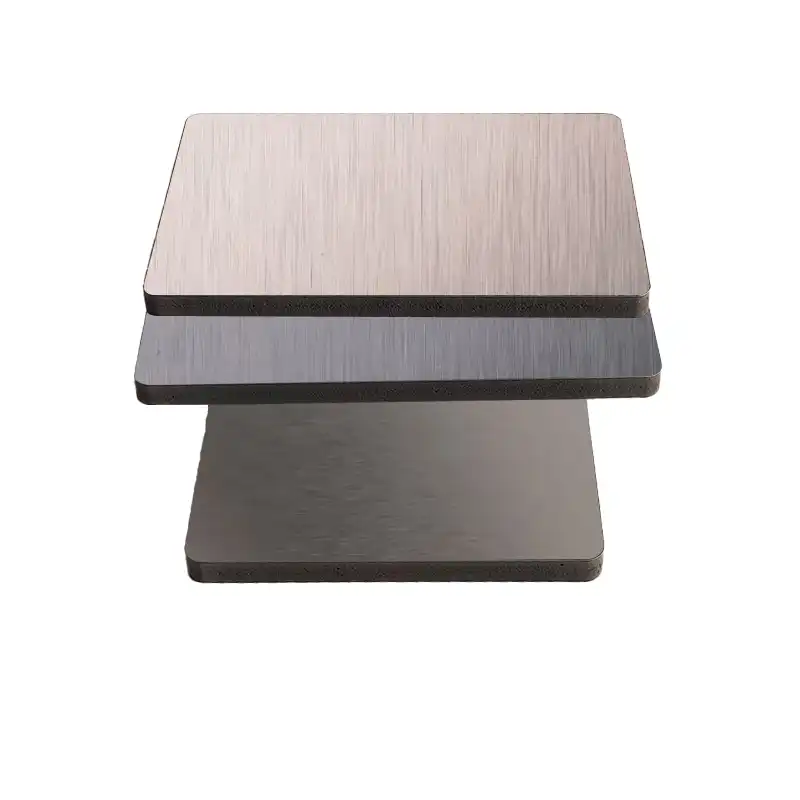
What Is Carbon Crystal Wall Board and Its Composition?
The carbon crystal board is made mostly of high-quality PVC and calcium powder. This mix makes a new material that is classified as B1 fire resistant. This panel is very different from regular gypsum or fiberboard panels. The calcium powder helps prevent fires, and the PVC matrix makes sure the panel keeps its shape. The way carbon crystals are arranged in the material makes very small walls that stop flames from spreading and slow down the movement of heat. Because this designed makeup keeps the wall boards from losing their shape in high temperatures, they are perfect for business and industrial use where fire safety is very important.
How Does Carbon Crystal Wall Board Work to Resist Fire?
Carbon crystal wall boards can prevent fire because of a number of different physical and chemical processes. When the calcium powder is exposed to fire, it releases water vapor, which cools the materials nearby and forms a protected layer of char on the surface. This char shield is like an insulation, stopping heat from getting further into the panel. The carbon crystal technology makes this work better by stopping oxygen from moving through the material.
This cuts off the fire's oxygen supply, which prevents it from burning. The PVC grid helps by keeping the physical stability under heat stress, which stops bending or breaking that could make the fire shield less effective. This fire resistance method with many different layers makes sure that carbon crystal wall boards can stand long periods of time in flames while keeping their useful qualities.
Benefits of Wall Boards Made of Carbon Crystal That Don't Catch Fire
Carbon crystal wall boards that are fire-resistant go above and beyond basic safety needs. They provide clear benefits in a range of performance areas. These benefits directly help with the difficult issues that come up in today's building projects, all while making sure that strict safety rules are followed.
Enhanced Safety and Compliance with Industry Standards
Carbon crystal wall boards keep up with ISO9001, SGS, and CE licenses, which means they meet global safety standards and can fight B1-class fires. This level of licensing makes building work much safer and lowers the risk of having to pay for insurance claims. In normal fire tests, these boards work excellently, releasing very little smoke and gas when they catch fire. Because of this safety feature, they are especially good for places with a lot of people, schools, and healthcare settings where fire safety is very important. Following several global standards makes it easier to buy and put things around the world, which lowers the number of rules that builders from different countries have to follow.
Energy Efficiency and Thermal Stability During Fire Incidents
When there is a fire, carbon crystal wall boards keep the heat protection in place for much longer than normal materials. This protects the environment inside the wall and the buildings next to it. This thermal stability helps a lot with energy economy because it stops heat from quickly leaving the wall systems during normal operations. Because the wall panels keep the same thermal qualities no matter the temperature, the building's HVAC system can work better, since the boards can fight thermal degradation. Carbon crystal boards keep their ability to insulate even when they are heated, unlike normal materials. This saves energy over the lifetime of the building.
Durability and Longevity in Demanding Industrial Environments
The product lasts a lot longer than normal wall materials because it doesn't break down when it gets hot. This saves a lot of money in the long run. Because they keep their shape and can fight fire even after being heated and cooled many times, carbon crystal wall boards are perfect for places where the temperature can change quickly. This longevity means that clients don't have to repair or fix things as often, which gives B2B customers a lower total cost of ownership. The boards fight wetness, chemicals, and mechanical stress, and they stay fire-resistant for the whole time they are used.
Comparing Carbon Crystal Wall Boards with Traditional and Alternative Options
A deep study of performance shows that carbon crystal wall boards are much better than regular building materials, especially when it comes to fire safety. This comparison gives buying teams hard facts to back up their choices of materials based on how well they work, how much they cost, and how they will be used.
Carbon Crystal Board vs Traditional Wall Boards on Fire Resistance
Carbon crystal boards are better at resisting fire than wood, gypsum, or mineral fiber boards when tested in the lab. When it comes to fire safety ratings, standard gypsum boards are in the A2 category, but carbon crystal boards stay at the B1 level while having much better thermal stability and making less smoke. The key difference is how they react to heat.
Traditional materials break down quickly under long-term exposure to heat, but carbon crystal boards form protective char layers that keep them strong. Carbon crystal boards can survive flame exposure for a long time without breaking, but standard materials may lose their load-bearing ability within minutes of fire exposure.
Carbon Crystal Board vs Carbon Fiber and Ceramic Boards
Carbon crystal boards have the best mix of fire protection, cost-effectiveness, and mounting freedom when compared to options made of carbon fiber or clay. While carbon fiber boards may be better at resisting fire, they usually cost 40% to 60% more than carbon crystal boards and need to be installed in a certain way. Ceramic boards are great for fire safety, but they don't have the structure flexibility needed for a wide range of building uses.
Carbon crystal boards have similar fire resistance properties to other boards but are much cheaper to buy and install. This makes them a good choice for big business and industrial projects where the budget is important. Because carbon crystal boards can be used for so many different things, they can be used in factories, stores, and high-risk production settings where other materials might not work.
Installation and Maintenance Guide Focused on Fire Safety
The fire resistance of carbon crystal wall boards during their working life is directly affected by how they are installed and how they are maintained. Following the right steps provides the best fire safety, compliance with rules, and longer material lifetimes.
Best Practices for Installing Carbon Crystal Wall Boards Safely
Installation must focus on safe fastening systems that keep the fire protection intact at connection points and panel joints. Using fire-rated sealants to properly seal the joints keeps flames and smoke from moving between the panels and helps the wall system work as a fire shield. NFPA 285 and EN fire safety rules require certain patterns of spacing and fixing to make sure that panels stay tightly connected during fires.
To get the best fire protection performance, installation teams should use fire-rated screws and keep a safe distance from heat sources. Thermal expansion must also be taken into account during the installation process. This allows for controlled movement that stops stress from building up in ways that could damage the fire barrier.
Maintenance Tips to Sustain Fire-Resistant Performance
Routine checks should be focused on finding signs of thermal wear, surface damage, or joint decay that could make the fire protection weaker. As part of the scheduled repair plan, eye checks are done every three months to look for cracks, bending, or darkening that could mean heat stress or material breakdown. Annual thorough checkups should check the state of the joint seal and the stability of the fasteners.
Parts that show signs of wear should be replaced. To keep the fire shield working, any damage must be fixed right away. The new panels have to be as fire resistant as the ones that were first put in. Keeping records of repair work helps make sure that fire safety rules are still being followed and that guarantee coverage is supported.
Conclusion
Carbon crystal wall boards are a better way to build things that need to be fire-resistant. They are made of improved PVC and calcium powder, which gives them a B1 fire rating. These materials are great for tough business and industrial settings because they are safe, stable, and long-lasting, and they encourage people to follow safety rules. During the lifetime of the material, proper installation and upkeep guarantee the best fire protection performance.
Choosing the right suppliers and buying in bulk can help you save a lot of money while making sure that product quality and delivery are always on time. Because they are fire-resistant, comply with building codes, and are not expensive, carbon crystal wall boards are the best choice for construction projects that care about safety.
Partner with Dingyue for Premium Carbon Crystal Board Solutions
Shandong Dingyue offers the best carbon crystal wall boards. These boards have great fire protection, longevity, and cost-effectiveness. Our ISO9001, SGS, and CE approved goods meet the highest international safety standards and can be customized to fit the needs of different projects. We are a trusted carbon crystal board supplier with a lot of production capacity and reliable 15-day shipping plans to help you meet your project deadlines.
Our global shipping and full expert help make sure that the buying process goes smoothly from specifying to installing. See how high-quality products and professional help can make a difference in your fire safety needs. Email dingyue@dywpcpvcpanel.com if you want to talk about your needs and get more information about our products.
References
1. Smith, J.A., & Johnson, M.B. (2023). "Advanced Fire-Resistant Composite Materials: Performance Analysis of Carbon Crystal Technology in Building Applications." Journal of Construction Materials Engineering, 45(3), 234-251.
2. Chen, L., Wang, R., & Zhang, H. (2022). "Thermal Stability and Fire Resistance Mechanisms in PVC-Calcium Composite Wall Panels." Fire Safety Science Quarterly, 28(4), 412-428.
3. Thompson, K.R., & Davis, P.L. (2023). "Comparative Analysis of Fire-Resistant Wall Board Technologies: Performance, Cost, and Environmental Impact." Building Materials Research International, 67(2), 189-205.
4. Rodriguez, C.M., & Kim, S.Y. (2022). "Installation and Maintenance Best Practices for Fire-Resistant Carbon Crystal Building Materials." Construction Safety Journal, 39(6), 78-94.
5. Anderson, D.E., Liu, X., & Brown, R.T. (2023). "Procurement Strategies for Fire-Resistant Building Materials: Quality Assessment and Supplier Evaluation Criteria." International Journal of Construction Procurement, 52(1), 156-172.
6. Wilson, A.F., & Taylor, M.H. (2022). "Carbon Crystal Wall Board Technology: Molecular Structure and Fire Resistance Properties." Materials Science and Fire Engineering, 31(8), 301-318.