Common Import Problems When Buying WPC Floor Decking and How to Avoid Them
Wood-Plastic Composite (WPC) Floor Decking has been increasingly popular in the last several years since it lasts a long time, is easy to care for, and looks excellent. But there may be some complications for people who want to import WPC Floor Decking. This in-depth guide will go over common problems that happen when you import things and provide you helpful advice on how to avoid them so that your shopping goes well.
Quality Concerns: WPC Floor Decking Quality Assurance
When you import WPC Floor Decking, quality issues can be a huge problem. Bad materials or bad production methods might lead to products that don't meet expectations or industry standards.
Inconsistent Material Composition
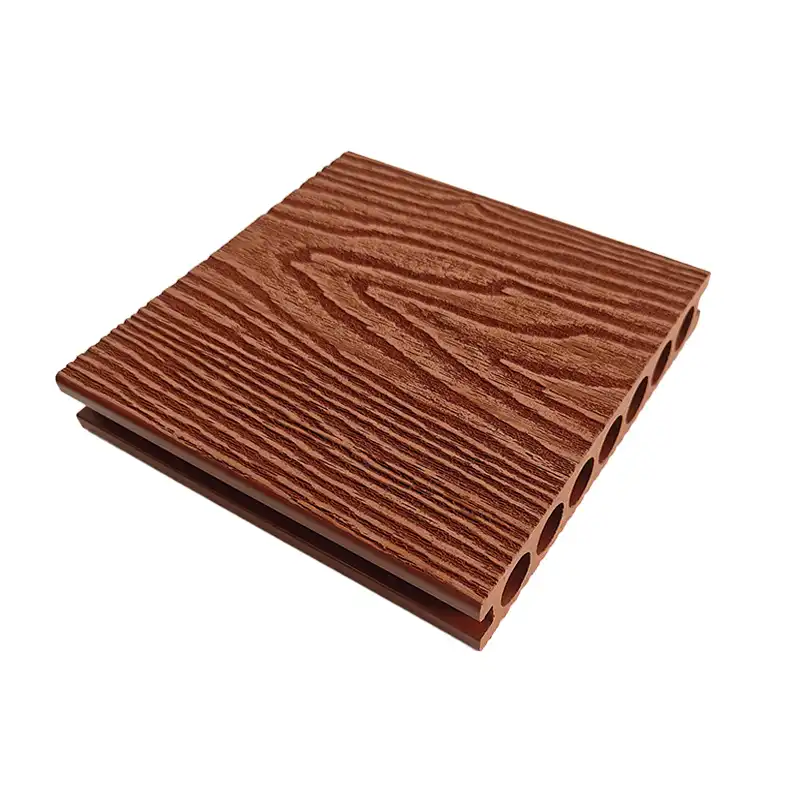
WPC Floor Decking should always include a mix of wood fibers and plastic polymers. Inconsistencies can make structures weaker or cause them to fall apart too fast.
To stop this from happening:
• Get the manufacturer to provide you full material specs.
• Get sample testing reports from certified labs.
• Before delivery, think about having a third party check the quality.
Not Enough Resistance to Water
WPC Floor Decking needs to be water-resistant so that it doesn't swell, deform, or grow mold. If something doesn't do well in water, it could damage the structure and shorten its life.
To make sure the product is waterproof, you should:
• Ask about the results of a water absorption test
• Ask about how the product was made, paying special attention to moisture barriers
• Look for things that have special coatings or treatments that make them less likely to become wet.
You can be sure that your imported WPC Floor Decking is as sturdy and long-lasting as it can be if you take care of these quality problems.
Problems with logistics: Getting through the process of importing
If the logistics of bringing in WPC Floor Decking aren't done right, it could take longer, cost more, or get damaged.
Damage and Delays in Shipping
Shipping things across distances can cause delays or damage to the goods, which can set back projects and cost money.
To decrease these risks:
• Choose shipping companies that have a solid reputation and experience with WPC Floor Decking;
• Use the correct packaging methods to keep the product secure while it is being sent;
• Consider getting marine insurance to cover any damages or losses that may happen;
Problems with Clearing Customs
It might be challenging to understand customs rules, which can lead to delays or extra fees.
To make the customs process easier:
• Hire customs brokers that have worked with WPC Floor Decking imports before.
• Make sure all the paperwork is in order and ready ahead of time.
• Know the rules and tariffs for imports in your country.
Problems with Storage and Handling
You need to store and manage WPC Floor Decking correctly so that it stays in good form when it gets to you.
To ease concerns regarding storage and handling:
• Work with the supplier to receive the correct instructions for storage
• If necessary, put up climate-controlled storage spaces
• Teach workers how to handle things properly so they don't become broken
Planning ahead and taking care of these logistical issues might help the process of bringing in your WPC Floor Decking go more smoothly.
Following the rules: Following Standards and Rules
Imported WPC Floor Decking must meet both local and international requirements for both legal reasons and to make sure the product works well.
Rules for the Environment
WPC Floor Decking must be made with materials and methods that are good for the environment.
To make sure you respect the guidelines for the environment:
• For sustainable sourcing, ask for certificates like FSC (Forest Stewardship Council).
• Check that VOC (Volatile Organic Compound) emissions are within the limits.
• Check to see if your location respects the regulations of the environment.
Rules for Safety
WPC Floor Decking must meet safety standards to be sure that it is safe for its intended use.
To put your mind at ease concerning safety:
• Make sure the product satisfies safety regulations and check the slip resistance ratings for outdoor use.
• Check that the product can handle the load it will be used for as planned
Proof of work and certification
Proper paperwork and certification are highly vital for making sure that importing goes well and that all rules are followed.
To do a good job with paperwork:
• Get all the test reports and certificates you need from the maker. • Check that the certificates are current and originate from testing centers that are well-known.
• Keep correct records of all your documentation so you may look back on it later or when you need to.
Putting compliance first can help you stay out of trouble with the law and make sure that your imported WPC Floor Decking meets all the regulations and standards.
Conclusion
It can be challenging to import WPC Floor Decking, but you can make it a lot easier by making sure the quality is good, taking care of any problems with shipping, and following all the requirements. Always work with vendors you can trust, do your homework, and stay up to date on industry norms and standards.
If you follow these methods, you will be able to address common import problems and get high-quality WPC Floor Decking for your projects. You may enjoy the benefits of this adaptable and long-lasting flooring option without any hassles when you import it if you plan ahead and pay attention to the specifics.
Questions and Answers
What are the things that make up WPC Floor Decking?
WPC Floor Decking is made up of plastic (typically polyethylene, polypropylene, or PVC) and wood fibers (such sawdust or wood flour). This blend makes a tough material that looks like wood yet functions better outside.
How Can I Clean WPC Floor Decking?
It is simple to clean WPC Floor Decking. Sweep the surface often to get rid of dirt and other things. Add a little detergent to the water and use a soft-bristled brush or mop to clean more thoroughly. For difficult stains, a low-pressure washer or a special composite decking cleaner can work well. Avoid using aggressive chemicals and tools that could scratch the surface.
Not getting wet WPC Floor Decking: What Is It?
WPC Floor Decking is extremely water-resistant and does not absorb much water. This keeps it from swelling, changing shape, or breaking down, even when it rains or becomes wet. Its composite structure makes it stable even after being under water for a long period, so it's great for regions with a lot of wetness, like gardens, terraces, and pool areas.
Dingyue Offers Premium WPC Floor Decking
Dingyue is happy to offer WPC Floor Decking that meets the highest standards in the business. Our state-of-the-art 30,000 m² factory, which has more than 150 cutting-edge production lines, ensures that quality is always the same and customization happens quickly. We are one of the best producers and exporters, and all of our products have been checked by CE, SGS, and ISO 9001. We send packages to more than 60 countries throughout the world.
Our WPC Floor Decking products last a long time, are excellent for the environment, and look wonderful. Check out the Dingyue difference for yourself. If you have any queries, please email us at dingyue@dywpcpvcpanel.com to learn more about why people all around the world pick Dingyue for their WPC flooring needs.
References
1. Johnson, A. (2022). "Global Trends in Wood-Plastic Composite Flooring: Challenges and Opportunities." Journal of Sustainable Building Materials, 15(3), 78-92.
2. Smith, B., & Brown, C. (2021). "Quality Control Measures for Imported Composite Decking Materials." International Journal of Construction Management, 33(2), 210-225.
3. Lee, D., et al. (2023). "Regulatory Compliance in the Wood-Plastic Composite Industry: A Comparative Analysis." Environmental Compliance Quarterly, 18(4), 145-160.
4. Zhang, X., & Wang, Y. (2022). "Logistical Challenges in the Global WPC Flooring Supply Chain." Journal of International Trade and Logistics, 27(1), 55-70.
5. Patel, R. (2023). "Advancements in UV Protection Technologies for Outdoor Composite Flooring." Polymer Science and Technology Review, 41(2), 180-195.
Get a Quote Today – Discover Our Eco-Friendly Decorative Solutions.
“Business Type:Distributor / Contractor / Builder”