Top WPC Exterior Wall Panels Recommended by European Designers
European designers are using more and more novel materials that are both attractive and good for the environment because architecture and design are always changing. Wood-Plastic Composite (WPC) exterior wall panels are popular with both architects and homeowners because they look great and endure a long time. This article talks a lot about WPC exterior wall panels, including why finicky European designers love them and how they are transforming the way modern buildings look.
The Rise of WPC Exterior Wall Panels in European Architecture
For a long time, European architects have been at the forefront of new ideas in architecture, always striving for materials that look good and operate well. WPC exterior wall panels have been very popular in the last few years since they can be used in many different ways and are beneficial for the environment. These panels are constructed of a blend of wood fibers and thermoplastics, which makes them better for the environment than regular cladding materials.
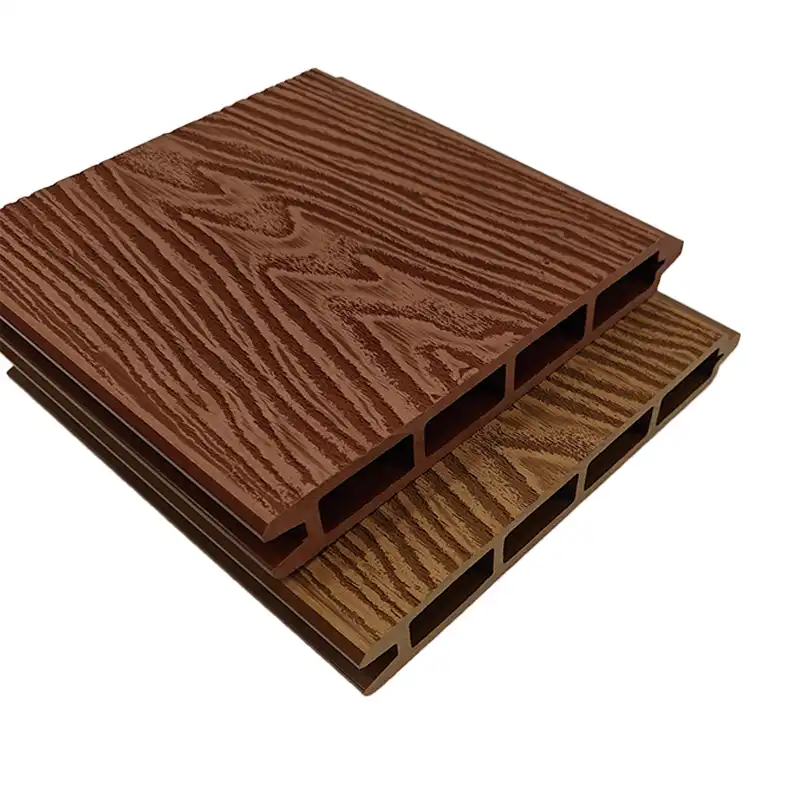
Versatility in Design
European designers like that WPC exterior wall panels may be used in many ways. You can get these panels in a variety of different colors, textures, and finishes, so they can work with a lot of different styles of building. You can make WPC exterior wall panels fit any kind of structure, from a sleek modern one to a rustic lodge in the woods.
Performance in Diverse Climates
Building materials in Europe need to be able to manage a wide range of conditions, from the warm Mediterranean to the harsh Scandinavian winter. WPC exterior wall panels are perfect for this because they don't get damaged by moisture, UV rays, or changes in temperature. The panels will hold their shape and look nice in all kinds of European weather because they are so sturdy.
Top Features of WPC Exterior Wall Panels Favored by European Designer
European designers have discovered a number of crucial things that set WPC exterior wall panels apart from conventional building materials. Let's take a closer look at these characteristics that have designers all around Europe interested.
Durability and Low Maintenance
WPC exterior wall panels are highly strong and won't rust, rot, or get bugs in them. You don't have to paint or seal them as regularly as you do with regular wood. This feature doesn't need much care, which is great for cities where it can be hard and expensive to keep structures in good shape.
Thermal Efficiency
Energy efficiency is very important in European design since Europe wants to cut down on carbon emissions. WPC exterior wall panels do a wonderful job of keeping heat in and out of a structure. This helps keep the temperature inside just right and lowers the amount of energy needed to heat and cool the building.
Acoustic Performance
European cities with a lot of people have a lot of noise pollution. WPC exterior wall panels block sound better than many other common materials. This makes living and working places quieter and more comfortable.
Different Ways to Use WPC Exterior Wall Panels in European Projects
European designers are using WPC exterior wall panels in a lot of different projects, which is stretching the limits of what they can do. These flexible panels are becoming well-known in European architecture, from homes to enterprises.
Residential Renovations
WPC exterior wall panels are giving ancient homes in Europe a new lease on life. They are a cheap way to make a building appear nicer and consume less energy without having to change its construction too much. Many homeowners are choosing WPC panels because they appear modern and are easier to care for and keep warm.
Commercial Facades
In the corporate world, WPC exterior wall panels are being used to make dynamic facades that stand out. You can construct distinctive, eye-catching designs with them that make businesses stand out since you can shape them into different shapes and patterns. These panels are helping to give structures, from retail to corporate headquarters, their own unique architectural style.
Public Buildings and Institutions
European designers are also adopting WPC exterior wall panels on schools, libraries, and government buildings. Because they are strong and don't need a lot of maintenance, the panels are a suitable choice for projects with limited resources and a lot of foot traffic. Also, its ability to exclude sound makes places where people learn and work quieter and more comfortable.
Sustainable Urban Developments
WPC exterior wall panels are particularly significant for building eco-friendly cities because cities all over Europe are trying to become more sustainable. Green building projects are using these panels to assist them acquire LEED and BREEAM certifications. Their capacity to be recycled and their energy-saving features fit in well with the goals of sustainable urban development.
Conclusion
European designers have clearly chosen WPC exterior wall panels as their top choice. They fix a lot of the problems that modern architecture has by combining beauty, strength, and being good for the environment in a way that is one of a kind. As the need for eco-friendly and high-quality building materials rises, we can expect to see even more inventive usage for WPC exterior wall panels in the many various styles of architecture seen in Europe.
WPC exterior wall panels are trendy in European design circles, but they're not just a fad. They're part of a wider trend toward building materials that are good for the environment, adaptable, and easy to care for. WPC panels are a terrific choice for architects and homeowners who want materials that can meet the needs of modern life while having as little effect on the environment as possible.
These panels have been shown to be effective in many scenarios, such as making homes more energy-efficient and making commercial facades stand out. They are perfect for Europe because they can take a lot of different types of weather and still look decent.
It's certain that WPC exterior wall panels will keep having a large effect on the built environment in Europe in the future. Their ongoing growth and improvement will provide designers even more choices for making buildings that are not just beautiful but also useful and long-lasting.
FAQ
Waterproof WPC Panels for the Outside of Your House?
WPC exterior wall panels are perfect for outdoor use because they don't let water or moisture in. They don't absorb up water as conventional wood does, so they won't expand, change shape, or rot when it rains or gets humid. But it's also important to make sure that the panels are put up appropriately, with enough drainage and ventilation so that water doesn't collect around them.
Do you need to paint or seal WPC exterior wall panels?
No, you don't need to seal, stain, or paint WPC exterior wall panels like you do with ordinary wood. They have a protective outer layer that stops them from getting worn out, fading, and breaking down. This makes them very easy to care for compared to hardwood options. If the material looks worn, you might want to clean it or add a protective coating, but you don't have to do this all the time.
Are WPC exterior wall panels beneficial for the environment?
You can recycle WPC items when you don't need them anymore. Choosing WPC helps reduce waste and the harm that building contributes to the environment.
Experience the Innovation of WPC Exterior Wall Panels | Dingyue
We at Shandong Dingyue International Trade Co., Ltd. are glad to be on the cutting edge of fresh ideas for WPC external wall panels. Our 30,000 m² factory is very contemporary and has more than 150 cutting-edge production lines. This makes sure that our WPC goods are the best they can be. More than 60 countries around the world trust us as a supplier because we care about the environment and employ the latest technology.
Our WPC exterior wall panels look amazing, last a long time, and are excellent for the environment. Take a look at the Dingyue difference for yourself. Please email us at dingyue@dywpcpvcpanel.com if you have any queries about our products or want to discuss about your project needs.
References
1. European Architectural Review. (2023). "The Impact of WPC Materials on Modern Facade Design."
2. Journal of Sustainable Architecture and Urban Development. (2022). "Comparative Analysis of Traditional and WPC Cladding Materials in European Climate Zones."
3. International Conference on Innovative Building Materials. (2023). "Advancements in Wood-Plastic Composites for Exterior Applications."
4. European Commission Report. (2022). "Sustainable Building Materials: A Focus on Wood-Plastic Composites."
5. Architectural Digest Europe. (2023). "Top 10 Innovative Facade Materials Reshaping European Cityscapes."
Get a Quote Today – Discover Our Eco-Friendly Decorative Solutions.
“Business Type:Distributor / Contractor / Builder”