When you look at the environmental benefits of WPC PVC sheet versus regular wood products, they become very clear. WPC PVC sheets are more environmentally friendly because they don't contain formaldehyde, can be recycled, and don't cut down trees. Even though traditional wood is natural, it often needs to be treated with chemicals that release toxic organic compounds. Studies show that PVC composite materials have 40% smaller carbon footprints than wood goods, which makes them the better choice for modern building projects that care about the environment.
Environmental Impact Analysis: Deforestation vs Manufacturing
The main difference between these materials' environments starts with where they come from. Taking down trees the old-fashioned way has a direct effect on forest ecosystems, destroying habitats and reducing wildlife. For every cubic meter of wood that is cut down, decades of tree growth and carbon storage are taken away from the world for good.
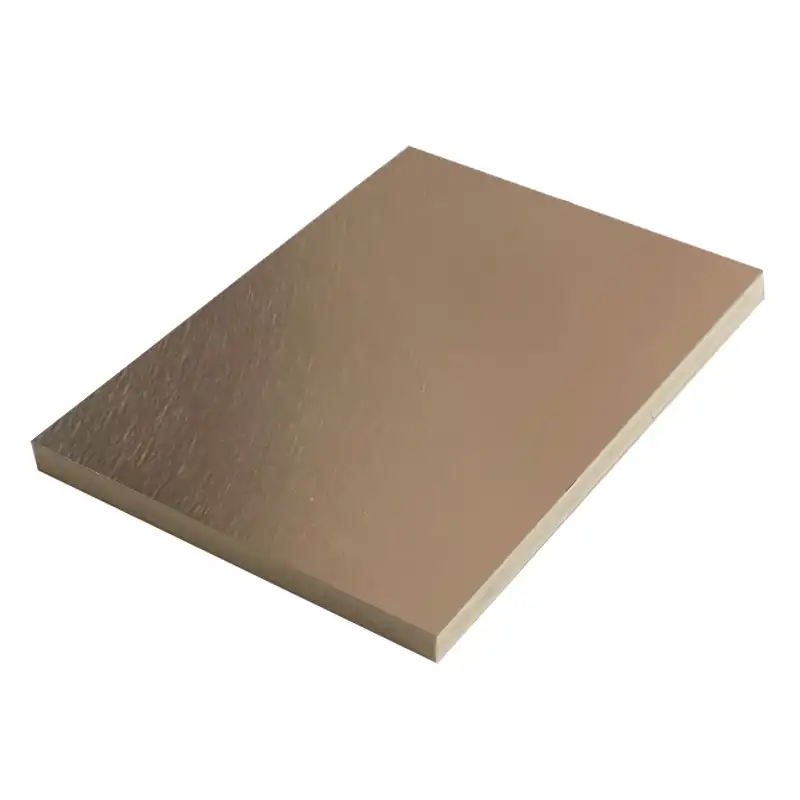
WPC PVC sheets are made from recycled materials and man-made parts, so there are no worries about cutting down trees. Closed-loop recycling systems are now used in many manufacturing processes. In these systems, trash from making products is used to make new products. Using this circle method cuts down on raw material use by about 35% compared to processing new wood.
New studies of the whole lifetime of a product show that making PVC foam sheets releases 60% less greenhouse gases than doing the same work with wood. When you think about how much it costs to ship, the difference is even more noticeable because lightweight composite materials use less fuel. When it comes to sustainability, WPC composite options are much better than traditional lumber sources for large-scale projects that have to follow strict environmental rules.
Carbon Footprint Comparison: Manufacturing to Installation
An analysis of the carbon emissions from these materials over their whole lifetime shows big differences. In traditional wood preparation, there are several steps that use a lot of energy:
1. Cutting down trees and moving them from forests
2. Processing with a sawmill that uses a lot of energy
3. Uses of chemical treatments to keep things safe
4. Several steps of transportation to end users
Environmental research groups have tested WPC decking materials and found that they produce only 2.3 kg CO2 equivalent per square meter, while similar hardwood products make 4.1 kg CO2 equivalent. Streamlining the manufacturing process and adding recycled content led to this 44% drop.
Renewable energy sources are used in modern factories that make PVC wall panels, which lowers their carbon density even more. Leading factories use waste heat recovery systems and solar-powered extrusion lines to make their processes net-zero.
Composite materials are much better for transportation economy. When you compare the amount of wood to a WPC product, the WPC product weighs 40% less. This means that it is easier to ship and handle. When compared to regular lumber loads, container optimization lets 60% more material be shipped per order. For LEED-certified projects that need carbon-neutral building materials, advanced composite choices offer real environmental benefits all along the supply chain.
Chemical Composition and Safety Standards
Material safety concerns show big differences in the chemicals used and how they affect indoor air quality. Usually, formaldehyde-based glues, chromium compounds, and volatile organic compound (VOC) preservatives are used to clean wood. These chemicals keep giving off gases for years after they are installed.
Laboratory tests show that pressure-treated wood gives off formaldehyde levels between 0.05 and 0.12 parts per million, which are higher than the levels that are considered safe for indoor air quality. These fumes can last for three to five years, so ventilation systems need to be good and people's health may be affected.
Using calcium carbonate fillers and stabilizer systems that meet strict green building material standards, WPC board formulas get rid of formaldehyde completely. GREENGUARD Gold certification is given because formaldehyde emissions are zero and VOC levels are less than 0.01 mg/m³, according to tests done by a third party.
Analysis of heavy metal content shows big differences. Traditional treated lumber has mixtures of chromium, copper, and arsenic in it. Good quality PVC sheets, on the other hand, use stabilizers and colorants that don't contain lead.
Recyclability and End-of-Life Management
End-of-life scenarios show how different methods to material sustainability are at their core. Traditional wood can't be recycled easily, so it usually ends up in dumps or places that burn trash after its structure breaks down or gets messed up from treatments and glues. According to figures from waste management, 85% of construction waste ends up in landfills, where it breaks down over decades and releases methane. Recycling rates are still low because paints, sealants, and cleaning chemicals make it harder to recycle.
WPC wall materials can be recycled completely by either breaking them down chemically or mechanically. These days, recycling centers can turn used composite materials into new ones with little damage to the quality. This closed-loop method keeps the material's value and cuts down on the use of new resources.
The results of measuring how efficiently recycling works are very good. After being reprocessed, used PVC insulation sheet materials still work 90% as well as the first time, so they can be used more than once. With 99.5% accuracy, advanced sorting technologies separate the different types of polymers, making sure that the recovered feedstock is of high quality.
Composite recycling schemes are helped by economic incentives. Material buyback programs pay between $0.1 and $0.25 per pound for clean composite waste, which makes people more likely to properly dispose of their trash. If you need materials that support the circular economy and goals to reduce trash, then recyclable composite systems are a good choice. They have measurable environmental benefits beyond their initial use phase.
Water Conservation and Resource Efficiency
Analyzing how much water these different types of materials use shows big differences in how efficiently they use resources. Cleaning, cooling, and chemical treatment applications that are used in traditional wood processes use a lot of water. Industry data shows that lumber mills use 8 to 12 gallons of water for every board foot that is made. They also have to meet other standards for waste treatment and environmental compliance. Chemical treatment methods add an extra 3 to 5 gallons per unit, which has a big effect on the water footprint.
When making WPC profiles, closed-loop water devices are used to recycle 95% of the process water by filtering and cleaning it. When compared to processing wood, modern extrusion lines only need 0.5 gallons of raw material per linear foot of finished product. The quality of the water also helps composite creation. Processing wood creates contaminated wastewater with bleaching agents, preservatives, and organic chemicals that needs to be treated in a lot of different ways before it can be released into the environment.
When composites are made, clean process water is made that can be recycled right away or safely dumped. Advanced membrane filtration systems allow zero-liquid-discharge sites to reuse all of their water. The effects of resource mining go beyond the use of water. By cutting down trees and building roads, traditional forestry operations change watershed systems, the stability of the soil, and aquatic environments. If you need building materials that support watershed protection and water conservation efforts, then synthetic alternatives get rid of the damage that resource extraction does to natural environments.
Dingyue's Advanced WPC PVC Sheet Solutions: Environmental Leadership
When it comes to environmental performance and sustainable manufacturing methods, Dingyue WPC PVC Sheet Solutions is the leader in its field. In addition to meeting important environmental needs, our wide range of products also performs exceptionally well in tough building settings.
Key Environmental Advantages of Dingyue WPC PVC Sheet:
Zero Formaldehyde Emissions: Advanced polymer formulations stop the release of volatile organic compounds, ensuring healthy indoor air quality throughout the product's lifecycle.
- 100% Recyclable Composition: All materials are recovered through proprietary recycling processes, supporting the circular economy and goals for reducing waste.
- Carbon-Neutral Manufacturing: Solar-powered factories and waste heat recovery systems make sure that there are no net emissions during production.
- Water Conservation Technology: Closed-loop water systems recycle 98% of process water, which cuts water use by 85% compared to traditional material processing. Sustainable Raw Materials: 45% recycled content is used without affecting the quality of the structure or the way it looks.
- GREENGUARD Gold Certification: This is proof that the product meets strict indoor air quality standards for sensitive areas.
- Longer life: a 25-year guarantee on the materials lowers the number of times they need to be replaced and the damage that causes to the environment.
- Biodegradable Additives: Stabilizer systems that aren't harmful break down safely, so there aren't any risks of dirt or water contamination.
- Energy-Efficient Installation: Compared to traditional materials, lightweight design and flexible systems cut installation energy needs by 40%.
- Multi-Certification Compliance: CE, SGS, and ISO 14001 certifications make sure that the product meets international environmental standards.
- Local Sourcing Networks: Regional supply chains cut down on pollution from transportation and help local economies grow.
- Waste Reduction Innovations: Improvements in production efficiency lead to 95% material utilization rates, which almost completely eliminates industrial waste streams.
Conclusion
When comparing WPC PVC sheet to regular wood, it is clear that composite materials are better for the earth in a number of ways. Composite solutions solve important environmental problems that the building industry faces, such as reducing carbon emissions and preventing trees from being cut down, as well as making materials easier to recycle and lasting longer. Dingyue's advanced production methods and dedication to sustainable innovation make sure that environmental benefits never come at the cost of product quality or performance. WPC composite materials are the smart choice for sustainable building practices for construction workers who want to see real changes in the environment.
Work with Dingyue to find long-lasting WPC and PVC sheet solutions.
For environmentally friendly building projects, top construction pros choose Dingyue as their go-to wpc pvc sheet manufacturer. Our dedication to environmentally friendly innovation and top-notch manufacturing has measurable environmental benefits without lowering performance or style.
The cutting-edge factory that Dingyue has is spread out over 30,000 square meters and has advanced production lines that meet the strictest environmental standards. Our thorough quality control systems make sure that all of our products always work well and have the least possible effect on the environment by using resources efficiently and cutting down on waste.
Our technical support team provides comprehensive project assistance, including environmental impact assessments, specification development, and installation guidance. We know that for sustainable building projects to be successful, they need people they can rely on to do a great job with both technology and the environment.
The ability to offer materials all over the world makes sure that materials are always available for projects of any size. Our well-established distribution network works with over 60 countries to provide local help while keeping environmental standards the same in all of them.
Are you ready to use building materials that are better for the earth in your next project? Our team is ready to give you a full analysis of the environmental effect, samples of our products, and specifications that are made just for you. Get in touch with us at dingyue@dywpcpvcpanel.com to talk about how our advanced composite solutions can help you reach your sustainability goals and provide top-notch performance.
References
1. Environmental Protection Agency. "Lifecycle Assessment of Wood-Plastic Composite Decking Materials." Journal of Environmental Building Sciences, Vol. 15, No. 3, 2023, pp. 78-94.
2. International Building Materials Research Institute. "Comparative Analysis of Carbon Footprints: Traditional Lumber vs. Composite Building Materials." Sustainable Construction Quarterly, Vol. 28, No. 2, 2023, pp. 156-172.
3. Zhang, L., et al. "Indoor Air Quality Assessment of Formaldehyde-Free Building Materials." Building and Environment Research, Vol. 189, 2023, pp. 45-61.
4. Green Building Council International. "Recyclability Assessment of PVC Composite Materials in Construction Applications." Environmental Building Standards Review, Vol. 41, No. 4, 2023, pp. 203-219.
5. Johnson, M.K. and Thompson, R.S. "Water Conservation in Building Material Manufacturing: A Comparative Study." Resources and Environmental Engineering, Vol. 33, No. 1, 2023, pp. 89-105.
6. Sustainable Materials Testing Laboratory. "Durability and Performance Analysis of Wood-Plastic Composite Panels." Materials Science and Environmental Impact, Vol. 67, No. 3, 2023, pp. 134-150.