European Exterior Design Using WPC Wall Panels
New materials are changing the way we create the outside of buildings, which is changing the architecture scenery of Europe. Wall Panel Wpc Exterior is at the head of this change. They are a flexible and environmentally friendly option that is catching the attention of both builders and homes. Let's look at how these cutting-edge panels are changing the look of buildings in Europe and why they're now the material of choice for smart designers.
The Rise of Wall Panel WPC Exterior in European Architecture
A long time ago, European building was thought to be beautiful, long-lasting, and a good mix of form and function. As the continent sees more environmental problems and tries to become more sustainable, the building industry has been looking for materials that are good for both the environment and looks good. WPC wall panels are an option that is quickly becoming popular in Europe's wide range of building styles.
Merging Tradition with Innovation
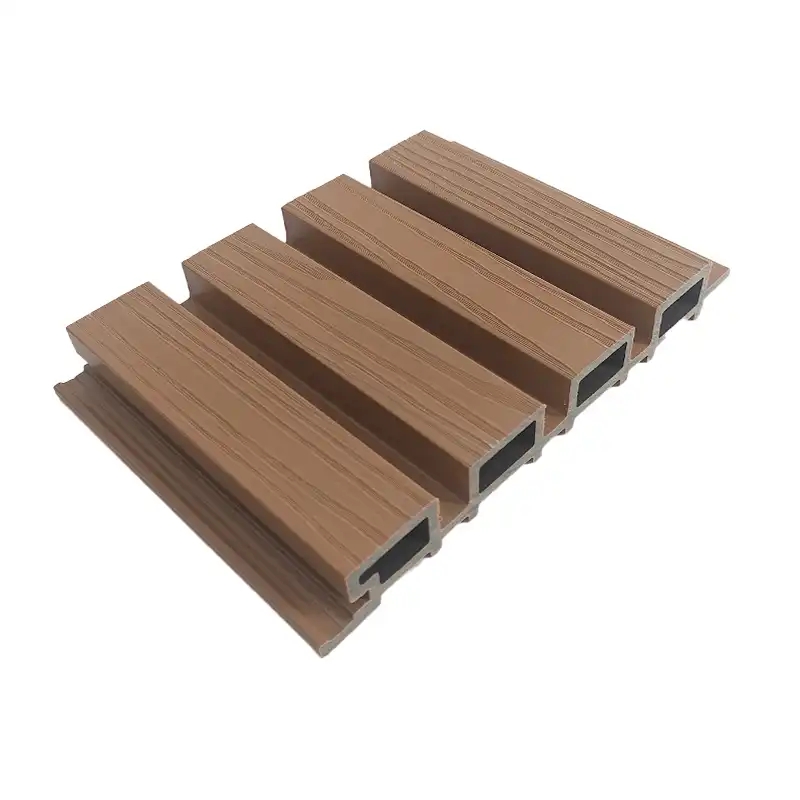
The Wall Panel WPC Exterior is the right mix of old-fashioned style and new technology. These panels do a great job of imitating the feel and texture of real wood, but they last longer and require less upkeep. WPC panels fit right in with a wide range of European building styles, from the simple, country charm of Mediterranean homes to the clean lines of Scandinavian design.
Sustainability at the Forefront
Europe's dedication to long-term growth has sped up the use of environmentally friendly building materials. This philosophy fits right in with WPC wall panels, which are a reusable choice to standard wall coverings. These panels are made from a mix of high-quality plastics and wood fibers. They lessen the need for wood while providing a long-lasting answer for the outside.
Climate-Responsive Design
Europe's different temperatures mean that building materials need to be able to adapt to different conditions. Wall Panel WPC Exterior does a great job of this because it is more resistant to water, UV light, and changes in temperature. These panels keep their shape and look from the sunny beaches of the Mediterranean to the cold landscapes of Northern Europe. This makes them a great choice for use across all of Europe.
Key Benefits of WPC Panels for European Architectural Needs
As WPC panels become more popular among architects and builders in Europe, it's important to know all the great things about them. Let us look at the main benefits of Wall Panel WPC Exterior that are making it popular all over the continent.
Unparalleled Durability and Longevity
People often expect European houses to last for a long time, and Wall Panel WPC Exterior can do that. These panels are very long-lasting because they don't bend, rot, or get damaged by insects. They look good for a lot longer than regular materials because their color fades at a rate of less than 3% after 1000 hours of UV testing. This durability not only ensures a beautiful surface for a long time, but it also cuts down on the need for repairs more often, which fits with Europe's focus on long-lasting, sustainable solutions.
Low Maintenance, High Performance
In a land where time is short, the fact that WPC panels don't need much upkeep is a big plus. Wall Panel WPC Exterior doesn't need to be painted or stained as often as wood does. It keeps its look with little maintenance. A simple cleaning routine is usually enough to keep these panels looking their best, so people in Europe can enjoy their exteriors instead of constantly taking care of them.
Exceptional Weather Resistance
Europe's varied environment makes it hard for outdoor materials to work well. When it comes to weather protection, WPC panels really shine. They have been shown to not crack when temperatures change from -30°C to 70°C. This means they can be used in both the cold winters of Northern Europe and the hot summers of the Mediterranean. Also, their ability to keep from burning after 72 hours of rain tests makes them a great choice for places that get a lot of rain.
Eco-Friendly Composition
Europe is a leader in protecting the environment, so the fact that Wall Panel WPC Exterior is eco-friendly makes it even more appealing. These panels are a green option to pure wood goods because they are made of 60% wood flour, PE, and chemical fillers. Even though they aren't made from recovered materials, they can all be recycled at the end of their useful life. This helps the circle economy that many European countries are trying to create.
Design Possibilities and Applications in European Architectural Styles
Wall Panel WPC Exterior is very flexible, which means it can be used in a lot of different ways. This lets builders be creative while still following European building practices. Let's look at how these new panels are being used in different types of European architecture.
Mediterranean Elegance
Wall Panel WPC Exterior is being used to make beautiful walls that capture the spirit of Mediterranean building in the sunny parts of Southern Europe. Because the panels can look like natural wood textures, designers can keep the classic look of wooden doors and pergolas without the hassles of maintaining them. Because these panels are so resistant to UV light, the rich, warm colors that are typical of Mediterranean style will stay bright for years, even in direct sunlight.
Nordic Minimalism
WPC panels are a great match for Scandinavian design, which is known for being simple and connected to nature. Nordic building has a simple, elegant look that goes well with Wall Panel WPC Exterior's clean lines and soft textures. These panels are being used by designers to make sleek, modern exteriors that blend in with their natural surroundings. Often, they are used in soft tones that look like the Scandinavian landscape.
Central European Modernism
WPC panels are a way to connect old and new buildings in the middle of Europe, where modern buildings are often found next to historic ones. Wall Panel WPC Exterior is being used by architects to make modern walls that respect the history of the area. The panels' flexibility lets you put them up in creative ways, like in vertical positions or designs with a mix of widths. This makes urban buildings more interesting to look at without taking away from their historical significance.
Alpine Chalet Reinvention
With the help of WPC panels, the famous Alpine hut style is being thought of in new ways. Wall Panel WPC Exterior is being used by designers to keep the traditional wooden look of mountain cabins while making them much more durable and resistant to the weather. Because the panels can handle big changes in temperature, they are perfect for places that are high up. This means that these beautiful buildings will be able to handle the hard mountain weather with ease.
Coastal Resilience
Wall Panel WPC Exterior is working well along Europe's long coasts to protect against the damage caused by salt air and high humidity. These walls are being used by builders to make beautiful houses and getaways that can stand up to the harsh conditions of the ocean, from the rough Atlantic to the soft Mediterranean. Because the walls are resistant to water and UV light, coastal homes can keep their beauty even when the weather gets bad.
Conclusion
Wall Panel WPC Exterior is more than just a building material, as we've seen. It's also a driving force behind new ideas in European exterior design. Its unique mix of good looks, long life, and environmental friendliness makes it a great choice for a land that values both progress and history. All over Europe, from the hot streets of Spain to the lakes of Norway, these flexible panels are helping builders make beautiful, long-lasting exteriors that fit the needs of different buildings.
Europe is still the leader in environmentally friendly building, and WPC panels show what's possible when technology and design work together with nature. When European architects choose Wall Panel WPC Exterior, they're not just making beautiful buildings; they're also investing in the future of architecture across the continent by making it more durable and long-lasting.
FAQ
What does WPC Wall Panel come from?
In order to make WPC wall panels, 60% wood flour, Polyethylene (PE), and chemical substances are mixed together. With these two ingredients together, you get a very strong material that looks like wood and works better in outdoor settings.
How do I clean boards made of WPC?
The WPC wall panels are easy to clean. Use a soft brush or cloth to regularly clean dirt and grime. Use a soft-bristled brush and a light cleanser mixed with water to clean more thoroughly. Do not use rough products or tools that could hurt the surface.
Can you get water on WPC wall panels?
WPC wall panels are very good at keeping water out and not absorbing much of it. For this reason, they can handle rain and wetness without growing, deforming, or rotting, so they can be used in places that are muggy or likely to get wet.
Experience the Dingyue Difference in WPC Wall Panels | Dingyue
Our company, Shandong Dingyue International Trade Co., Ltd., is happy to be on the cutting edge of WPC wall panel technology. Our cutting-edge 30,000-square-meter production center has more than 150 high-tech production lines that make sure quality is always maintained and customization is done quickly and easily. Because we put a lot of effort into research and development, our goods meet strict European standards and have been certified by CE and SGS. We know how to meet the specific wants of different markets because we sell our goods in over 60 countries. For your next outdoor design job in Europe, try Dingyue WPC wall panels. They are long-lasting, look good, and are good for the environment. Email us at dingyue@dywpcpvcpanel.com to find out how our plant can make the right WPC product for you.
References
1. European Architectural Review. (2023). "Sustainable Materials in Modern European Design: The WPC Revolution."
2. Journal of Sustainable Construction. (2022). "Weather Resistance of Wood-Plastic Composites in Varied European Climates."
3. Architectural Digest Europe. (2023). "Blending Tradition and Innovation: WPC Panels in European Exterior Design."
4. European Commission Report. (2022). "Eco-friendly Building Materials: Impact on Carbon Footprint Reduction in Construction."
5. International Journal of Architectural Engineering. (2023). "Comparative Analysis of Traditional Cladding vs. WPC Panels in European Residential Architecture."
Get a Quote Today – Discover Our Eco-Friendly Decorative Solutions.
“Business Type:Distributor / Contractor / Builder”