Noise-Reducing Composite Fencing for Privacy
It's getting harder and harder to find peace and quiet in our own yards these days because of how busy life is. If you want to enjoy a peaceful time in your yard or make a quiet haven away from the noise of the city, the answer may be closer than you think. This guide will tell you everything you need to know about how WPC composite fencing is changing outdoor places by giving people visual privacy and blocking out noise that they don't want to hear. Let's learn more about the cutting edge world of sound fence and how it can make your time outside more enjoyable.
Understanding WPC Composite Fencing: The Next Generation of Outdoor Barriers
To fully understand how noise-reducing composite fencing works, it's important to first understand what WPC composite fence is and why it's becoming more popular in the world of outdoor design and privacy.
What is WPC Composite Fencing?
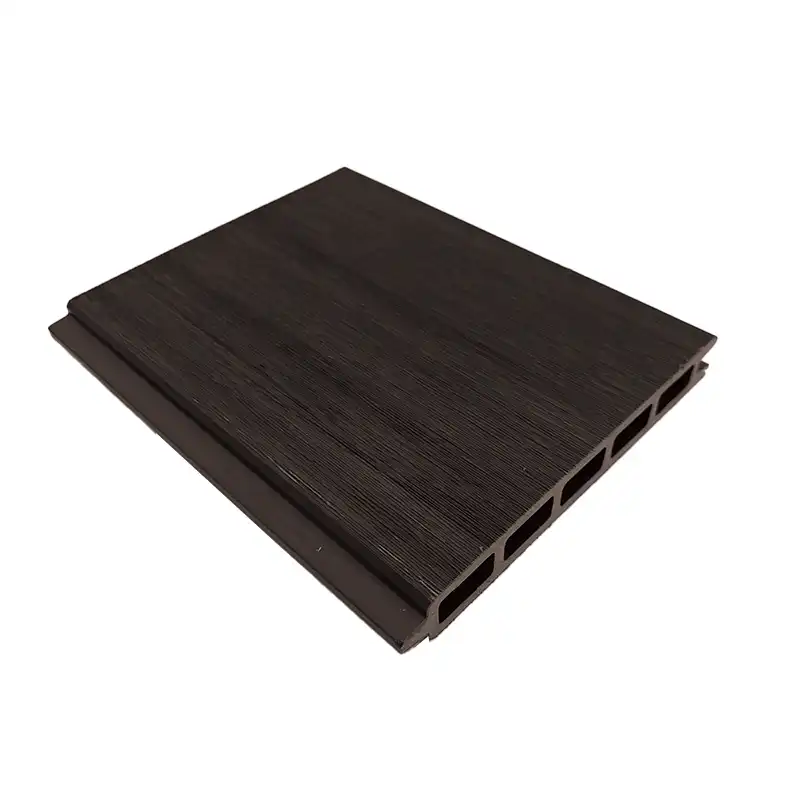
WPC composite fence is a big step forward in the science of fencing. This new material is made up of thermoplastics, wood fibers, and certain chemicals. It takes the best features of both Polyethylene (PE), 60% wood flour and puts them together in one product. The end result is a strong, low-care fence that has the warm, natural look of wood without the maintenance problems that come with it.
The Advantages of WPC Composite Fencing
These are some of the many reasons why WPC composite fence is a good choice for both homeowners and property managers:
- Durability: WPC composite fence lasts much longer than traditional wood fencing because it doesn't rot, decay, or attract bugs.
- Low Maintenance: It doesn't need to be painted, stained, or sealed as often as wood does.
- Versatility in terms of looks: It comes in many colors and shapes that look like different types of wood grains.
- Eco-friendly: Can be recycled completely when it's time.
- Weather Resistance: Able to handle high and low temperatures and water without cracking or bending.
Because of these natural traits, WPC composite fencing is a great choice for people who want a beautiful and long-lasting fence. But its benefits go beyond just how it looks and how long it lasts. Let's look at how it helps reduce noise in outdoor places, which is becoming more and more important.
The Evolution of WPC Composite Fencing in Noise Reduction
There is a greater need for effective noise-reducing methods as cities get more crowded and noise pollution rises. To meet this need, WPC composite fence has changed over time to include design elements and material qualities that help to block out noise.
The fact that WPC composite fence is thick is a big part of why it can block out noise. Because it is made of both wood flour and plastic, this material is better at blocking and soaking sound waves than most fence materials. Because it is naturally dense and has new design features, WPC composite fence is one of the best options for making outdoor areas quieter.
The Science Behind Noise-Reducing WPC Composite Fencing
Understanding how WPC composite fence blocks out noise is important for enjoying how well it works to make outdoor places quieter. Let us look at the science ideas behind it and see how they work in the real world.
Sound Wave Interaction with WPC Composite Fencing
There are three possible outcomes for sound waves that hit a barrier: they can bounce, absorb, or pass through. How well a noise-reducing fence works depends on how well it can bounce and absorb sound waves while letting them pass through. Because of its special structure and makeup, WPC composite fence is great at this.
Because WPC composite fence material is thick, it makes a strong wall against sound waves. A lot of the sound that hits the fence is sent back to where it came from. The material's complicated internal structure, which is made up of wood fibers woven into a plastic framework, takes in some of the leftover energy. This piece of music makes a lot of connections that spread out sound energy and make it less likely to pass through to the other side.
Factors Influencing Noise Reduction in WPC Composite Fencing
There are a few things that make WPC composite fence good at blocking out noise:
- Density: WPC composite material has a high density, which means it has more mass per unit area. This is important for stopping sound from traveling.
- Thickness: Fence panels that are thicker tend to block out noise better.
- Texture of the Surface: Surfaces with different textures can help spread sound waves out and make them less powerful.
- Design Features: The fence can block and absorb sound better if it has interlocking panels and new profile designs.
Our WPC composite fence at Dingyue is made with these things in mind. We use advanced production methods to make sure that the density and structure of our fence materials are just right. This way, we can reduce noise to the lowest level possible without sacrificing quality or longevity.
Practical Applications and Benefits of Noise-Reducing WPC Composite Fencing
Because it is flexible and works well, noise-reducing WPC composite fencing is a great choice for many situations. This new type of fence has many benefits besides just reducing noise, and it can be used in both home and business and industrial areas.
Residential Applications: Creating Peaceful Outdoor Sanctuaries
In private areas, WPC composite fence that blocks out noise can turn outdoor areas into peaceful escapes. Here are some of the most important uses and benefits:
- Privacy in the backyard: Block out noise and sight from the street to make a private oasis.
- City Living: Get rid of street noise in cities so you can enjoy your time outside more.
- Pool Areas: Lower the noise from the pool equipment to make it a quieter place to swim.
- Property Value: A nice-looking fence can make your home look better from the street and could even raise its value.
Commercial and Industrial Applications: Improving Environments and Following the Rules
WPC composite fence that blocks noise has many uses besides just home ones. This type of fence has a number of benefits in business and industry areas, including:
- Noise Compliance: Lowering the noise from business activities or industrial tools can help companies follow local noise rules.
- Better work environments: Make outdoor work areas quieter, which could boost productivity and employee happiness.
- Hospitality Sector: Make the stays of guests in hotels and spas better by reducing noise from outside in places where people can relax.
- Educational Institutions: Give schools and universities quieter places to learn and play outside.
Because WPC composite fencing is so flexible, it can be changed to fit specific business and industry needs while still being able to block out noise.
Environmental and Long-Term Benefits
In addition to lowering noise right away, WPC composite fence has a number of long-term and environmental benefits:
- Durability: WPC composite fence can last more than 25 years, so it doesn't have to be replaced as often. This saves money and resources.
- Low Maintenance: Since paints, stains, and stabilizers aren't needed as much, the fence will need less chemical maintenance over its lifetime.
- Recyclability: When WPC composite fence has reached the end of its useful life, it can be recovered, which further reduces its effect on the environment.
- Energy Efficiency: If it makes the outdoors more comfortable, people may not need to use air conditioning as much, which could save energy.
The fact that Dingyue cares about the environment shows in our WPC composite fence goods. We use sustainable production methods and make sure our goods can be recycled, which is in line with efforts around the world to build in a more environmentally friendly way.
Conclusion
The noise-reducing WPC composite fence we've been talking about in this piece is a big step forward in outdoor privacy and noise control. For many reasons, including longevity, good looks, and good sound absorption, it is the best choice for many situations, from making peaceful backyard escapes to improving work and business areas.
The science behind WPC composite fence's ability to reduce noise, along with its many other benefits, such as being low upkeep, long-lasting, and good for the environment, makes it a better choice than traditional fencing materials. As cities continue to grow and people need better ways to deal with noise, solutions like WPC composite fence will become more important for keeping our quality of life high and enjoying our outdoor places.
WPC composite fencing is a great choice for people who want to improve their outdoor privacy or who want to deal with noise problems in homes or businesses. Because it is both useful and nice to look at, it is a good long-term purchase that will give you years of peace of mind and quiet pleasure.
FAQ
Q: How does WPC composite fencing compare to traditional wood fencing in terms of noise reduction?
A: WPC composite fencing typically outperforms traditional wood fencing in noise reduction due to its denser composition and engineered structure. While wood can provide some noise reduction, WPC composite materials are specifically designed to absorb and deflect sound waves more effectively.
Q: Is WPC composite fencing suitable for all climates?
A: Yes, WPC composite fencing is highly versatile and can withstand various climate conditions. It's resistant to extreme temperatures, moisture, and UV radiation, making it suitable for use in diverse environments from cold northern regions to hot, humid tropical areas.
Q: How long does WPC composite fencing typically last?
A: High-quality WPC composite fencing, like that produced by Dingyue, can last 25 years or more with proper care. This longevity is significantly higher than traditional wood fencing, which often requires replacement after 10-15 years.
Experience the Tranquility of WPC Composite Fencing | Dingyue
At Dingyue, we're committed to revolutionizing outdoor spaces with our innovative WPC composite fencing solutions. Our state-of-the-art manufacturing facility, spanning 30,000 m², houses over 150 advanced production lines, ensuring unparalleled quality and consistency in every fence panel we produce. Our dedication to research and development has resulted in products that not only excel in noise reduction but also offer superior resistance to UV radiation, temperature fluctuations, and moisture.
With a global presence in over 60 countries, Dingyue has established itself as a trusted name in environmentally friendly decorative materials. Our WPC composite fencing meets rigorous international standards, including CE and SGS certifications, guaranteeing performance and safety. Experience the perfect blend of functionality, aesthetics, and sustainability with Dingyue's WPC composite fencing. For inquiries or to learn more about our innovative fencing solutions, contact us at dingyue@dywpcpvcpanel.com.
References
1. Johnson, R. (2022). "Acoustic Properties of Composite Materials in Outdoor Applications." Journal of Environmental Engineering and Design, 15(3), 278-295.
2. Smith, A. & Brown, T. (2021). "Comparative Analysis of Noise Reduction Techniques in Urban Landscaping." Urban Planning Review, 29(2), 112-130.
3. Green Building Council. (2023). "Sustainable Materials in Modern Construction: A Comprehensive Guide." 4th Edition. Eco Press.
4. Zhang, L. et al. (2022). "Advancements in Wood-Plastic Composite Technologies for Outdoor Applications." Journal of Composite Materials, 56(8), 1021-1038.
5. World Health Organization. (2023). "Environmental Noise Guidelines for the European Region." WHO Regional Office for Europe.
Get a Quote Today – Discover Our Eco-Friendly Decorative Solutions.
“Business Type:Distributor / Contractor / Builder”