How to Choose a High-Value Co-Extruded WPC Wall Panel?
When it comes to modern interior design, co-extruded WPC (Wood-Plastic Composite) wall panels have emerged as a game-changing solution. These innovative panels combine the natural beauty of wood with the durability of plastic, offering a perfect blend of aesthetics and functionality. But with so many options available, how do you choose a truly high-value co-extruded veneer that will elevate your space? In this comprehensive guide, we'll explore the key factors to consider, helping you make an informed decision for your next renovation or construction project.
Understanding Co-Extruded WPC Wall Panels
Before diving into the selection process, it's crucial to understand what co-extruded WPC wall panels are and why they've gained such popularity in recent years.
What is Co-Extruded Veneer?
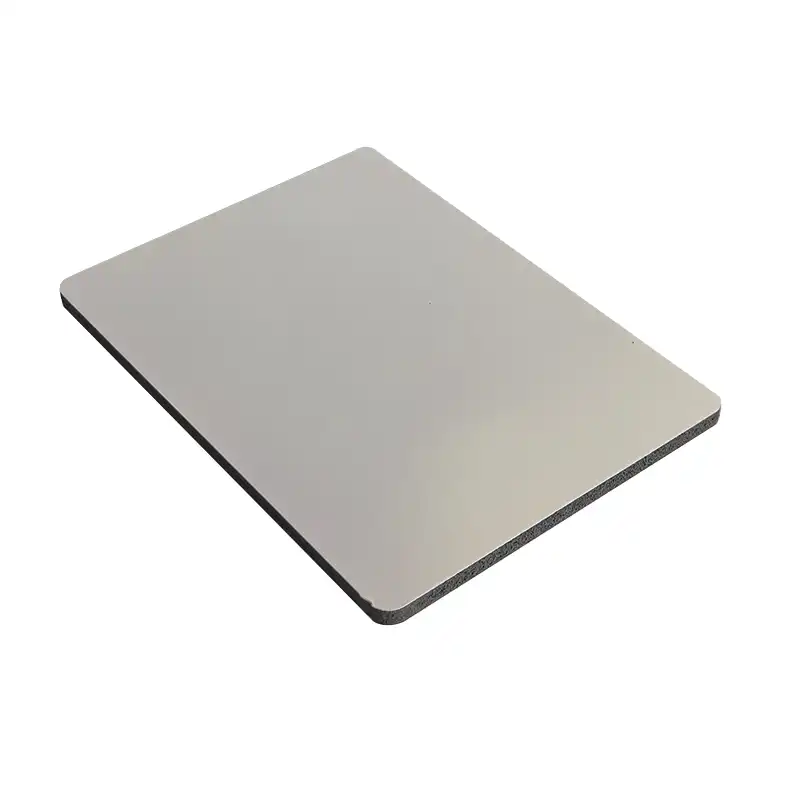
Co-extruded veneer is at the heart of high-quality WPC wall panels. This innovative material is created through a sophisticated manufacturing process that fuses PVC and calcium powder. The result is a durable, lightweight panel with a realistic wood grain appearance. Unlike traditional veneers, co-extruded veneer offers superior resistance to moisture, insects, and wear, making it an ideal choice for both residential and commercial applications.
The co-extrusion process involves simultaneously extruding multiple layers of material, with each layer serving a specific purpose. The core layer provides strength and stability, while the outer layer, or cap stock, offers enhanced durability and aesthetics. This multi-layer construction is what sets co-extruded WPC panels apart from their single-layer counterparts.
Benefits of Co-Extruded WPC Wall Panels
Co-extruded WPC wall panels offer a myriad of benefits that make them an attractive option for modern interiors:
- Durability: Resistant to scratches, dents, and fading
- Low maintenance: Easy to clean and requires no painting or staining
- Moisture resistance: Ideal for bathrooms, kitchens, and other high-humidity areas
- Eco-friendly: Can be recycled at the end of their lifecycle
- Versatility: Available in a wide range of colors, textures, and patterns
- Cost-effective: Long-lasting and requires minimal upkeep, reducing long-term expenses
Applications of Co-Extruded WPC Panels
The versatility of co-extruded veneer makes them suitable for various applications:
- Residential interiors: Living rooms, bedrooms, home offices
- Commercial spaces: Retail stores, restaurants, hotels
- Institutional buildings: Schools, hospitals, government facilities
- Accent walls and feature walls
- Ceiling treatments
- Wainscoting and chair rails
Now that we've established a foundation, let's explore how to choose a high-value co-extruded WPC wall panel that meets your specific needs.
Key Factors in Selecting High-Value Co-Extruded WPC Wall Panels
Choosing the right co-extruded WPC wall panel involves considering several crucial factors. By evaluating each of these aspects, you can ensure that you're investing in a product that offers true value and performance.
Quality of Co-Extruded Veneer
The quality of the co-extruded veneer is paramount when selecting WPC wall panels. High-quality panels will feature a seamless fusion of wood fibers and polymers, resulting in a consistent texture and appearance. Look for panels with a realistic wood grain pattern that closely mimics natural wood. The best co-extruded veneers will also have a depth of color and texture that adds dimension to your walls.
When examining co-extruded veneer quality, pay attention to:
- Uniformity of color and pattern across panels
- Depth and realism of the wood grain texture
- Smoothness of the surface without visible imperfections
- Consistency in thickness and dimensions
High-value co-extruded WPC panels will demonstrate superior craftsmanship in these areas, ensuring a premium look and feel for your space.
Durability and Performance
One of the primary advantages of co-extruded WPC wall panels is their exceptional durability. When evaluating panels, consider the following performance aspects:
- Scratch and impact resistance
- Moisture resistance and dimensional stability
- Fire resistance ratings (look for panels meeting B1 flame retardant standards)
- Resistance to mold, mildew, and bacteria growth
High-value panels will excel in these areas, offering long-lasting performance even in challenging environments. For instance, panels with a B1 fire resistance rating provide an added layer of safety, making them suitable for a wide range of applications.
Environmental Considerations
In today's eco-conscious world, the environmental impact of building materials is a crucial consideration. When choosing co-extruded veneers, look for products that demonstrate a commitment to sustainability:
- Low VOC emissions for improved indoor air quality
- Compliance with environmental certifications (e.g., ISO)
- Energy-efficient manufacturing processes
- End-of-life recyclability
High-value panels will not only meet but exceed environmental standards, offering peace of mind to environmentally conscious consumers.
Practical Considerations for Selecting Co-Extruded WPC Wall Panels
Beyond the technical aspects, there are several practical considerations to keep in mind when choosing co-extruded WPC wall panels for your project.
Design and Aesthetics
The visual appeal of your wall panels plays a significant role in the overall ambiance of your space. High-value co-extruded WPC panels offer a wide range of design options:
- Diverse color palettes from light to dark wood tones
- Various wood grain patterns (e.g., oak, walnut, maple)
- Textured finishes for added depth and realism
- Customizable options for unique projects
When evaluating design options, consider how the panels will complement your existing décor and contribute to the desired atmosphere of the room. High-quality co-extruded veneer should offer a level of sophistication and authenticity that elevates your interior design.
Installation and Maintenance
The ease of installation and ongoing maintenance requirements are important factors in the overall value of co-extruded WPC wall panels. Look for panels that offer:
- User-friendly installation systems (e.g., tongue-and-groove, click-lock)
- Clear installation instructions and support
- Minimal tools and expertise required for installation
- Easy cleaning and maintenance procedures
- Resistance to stains and everyday wear
High-value panels should not only look great but also save you time and effort in both installation and long-term care. This aspect of co-extruded veneer products can significantly impact your overall satisfaction and the total cost of ownership.
Manufacturer Reputation and Support
The quality of co-extruded WPC wall panels is often reflected in the reputation of the manufacturer. When choosing panels, consider:
- The manufacturer's track record and industry experience
- Customer reviews and testimonials
- Warranty coverage and terms
- Availability of customer support and after-sales service
- Compliance with industry standards and certifications (e.g., ISO 9001, SGS, CE)
A reputable manufacturer will stand behind their products with comprehensive warranties and responsive customer service. This support can be invaluable, especially for large-scale or commercial projects.
Conclusion
Choosing high-value co-extruded WPC wall panels requires careful consideration of various factors, from the quality of the co-extruded veneer to practical aspects like installation and manufacturer support. By focusing on durability, aesthetics, environmental impact, and overall performance, you can select panels that not only enhance the beauty of your space but also offer long-lasting value.
Remember that the initial cost of high-quality co-extruded WPC panels is often offset by their longevity, low maintenance requirements, and superior performance. Investing in premium panels can lead to significant savings over time, making them a smart choice for both residential and commercial applications.
As you embark on your search for the perfect co-extruded WPC wall panels, keep these guidelines in mind, and don't hesitate to ask manufacturers for detailed information and samples. With the right approach, you'll be well-equipped to make an informed decision that transforms your space with style and functionality.
FAQ
Q: What is wood plastic veneer?
A: Wood plastic veneer is an environmentally friendly decorative material made by fusing calcium powder with thermoplastic polymer material (PVC) at high temperatures, then extruding it. It combines the natural texture of wood with the durability of plastic.
Q: What are its advantages compared to solid wood and tiles?
A: Compared to solid wood, it's waterproof, moisture-proof, insect-resistant, rot-resistant, resists cracking and deformation, requires no paint, is easy to install, and has low maintenance. Versus ceramic tile, it offers a soft touch, quick installation without cement mortar, excellent slip resistance, and resists cold weather cracking.
Q: Where is it mainly used?
A: It's commonly used in living rooms, bedrooms, TV background walls, kitchens, bathrooms, balconies, basements, ceilings, and commercial spaces like restaurants, offices, and shops.
Q: Is it fire-resistant?
A: While not non-combustible, it meets China's national B1 flame retardant standard, effectively delaying fire spread and offering better safety than ordinary wood.
Q: What is the minimum order quantity (MOQ)?
A: MOQs vary by product type but are typically 300-500 square meters for panels and one full container for mixed orders. Contact us for specific quotes based on your needs.
Experience the Dingyue Difference: Premium Co-Extruded WPC Wall Panels
At Shandong Dingyue International Trade Co., Ltd., we're committed to delivering exceptional co-extruded WPC wall panels that meet the highest standards of quality and sustainability. With over a decade of experience, our state-of-the-art 30,000 m² production facility and 150+ advanced production lines ensure superior products tailored to your needs. Our innovative R&D team continuously develops eco-friendly solutions, resulting in panels that are formaldehyde-free, flame-retardant, and antibacterial. Trusted by customers in over 60 countries, Dingyue offers CE/SGS certified products backed by a ten-year warranty. Experience the perfect blend of aesthetics and performance with Dingyue's co-extruded WPC wall panels. Contact us at dingyue@dywpcpvcpanel.com to elevate your next project with our premium, factory-direct solutions.
References
1. Smith, J. (2022). "Advancements in Co-Extruded WPC Technology for Interior Design". Journal of Sustainable Building Materials, 15(3), 78-92.
2. Green Building Council. (2023). "Environmental Impact Assessment of Wood-Plastic Composite Materials in Construction". Annual Report on Sustainable Building Practices.
3. Johnson, A. & Lee, S. (2021). "Comparative Analysis of Traditional and Co-Extruded Veneers in Modern Architecture". Architectural Review Quarterly, 56(2), 112-128.
4. International Standards Organization. (2023). "ISO 9001:2015 Quality Management Systems - Requirements". ISO Standard Publication.
5. Zhang, L. et al. (2022). "Fire Performance and Safety Considerations for WPC Wall Panels in Commercial Buildings". Fire Safety Journal, 127, 103500.
Get a Quote Today – Discover Our Eco-Friendly Decorative Solutions.
“Business Type:Distributor / Contractor / Builder”