WPC Cladding vs Wood Cladding: Which Works Best in Humid Regions?
The choice between WPC (Wood Plastic Composite) cladding and regular wood cladding can be very important when it comes to picking the right cladding material for wet areas. This piece talks about the pros and cons of both choices, with a focus on how well they work in places with a lot of humidity. We'll talk about what makes WPC Wall Panels different from regular wood cladding and how they compare in terms of longevity, upkeep, and suitability for humid climates.
Understanding WPC and Wood Cladding in Humid Environments
The Composition and Properties of WPC Cladding
When it comes to buildings, WPC Wall Panels really shine in damp places. Because of how they are made, they don't absorb water very easily, which is a big benefit over regular wood. This resistance helps keep wood covering from warping, swelling, and rotting, which can happen in places with a lot of humidity.
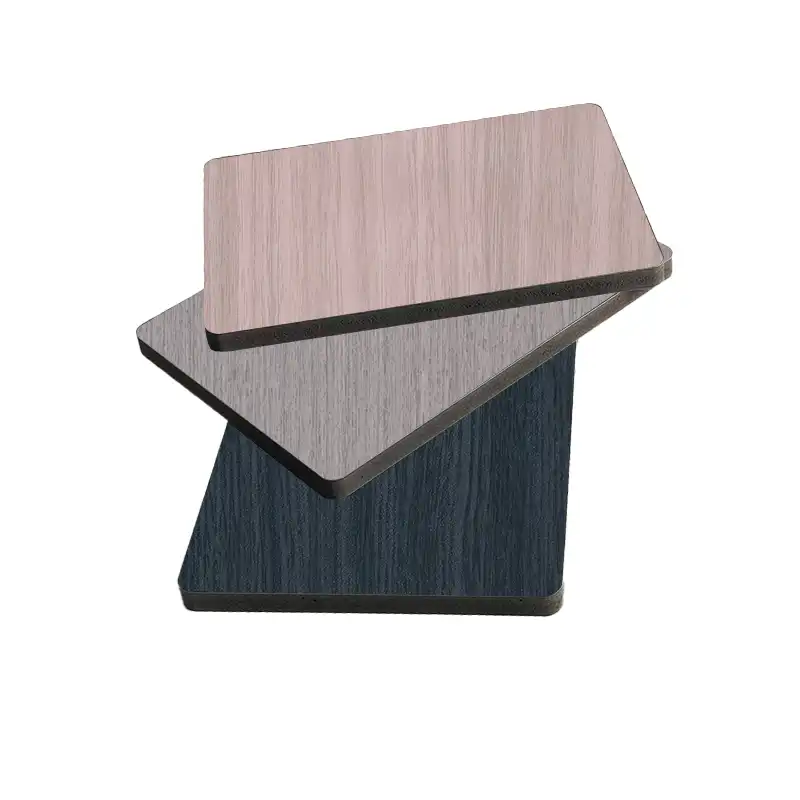
WPC Wall Panels are also very stable when it comes to their dimensions. This makes it less likely that they will change size or shape when the humidity level changes, so they will stay the same over time. This stability helps keep the general look and structure of the cladding, which is especially helpful in places where humidity levels change a lot.
Traditional Wood Cladding: Strengths and Weaknesses in Humid Climates
Traditional wood covering has been a favorite for hundreds of years because it looks great and can be used in many ways. But in damp places, wood siding can have a number of problems that can make it last less long and not work as well.
Wood naturally hygroscopic, which means it can easily take in and release water from its surroundings. This feature can cause a lot of problems in places that are humid. Wood can swell, twist, or even rot over time because it constantly takes in and gives off water. The covering may not only look bad, but it may also become less stable because of this. Furthermore, high humidity makes it easy for mold and mildew to grow on wood surfaces. This not only makes the siding look bad, but it can also be bad for your health and speed up the wood's breakdown.
The Impact of Humidity on Cladding Materials
Humidity has a big effect on how well covering materials work and how long they last. High amounts of moisture in the air can speed up the breakdown of many building materials, especially those that are used outside.
Humidity doesn't have much of an effect on WPC Wall Panels. Due to its composite nature, the material is very good at resisting water absorption, which helps the cladding stay strong even in regularly damp conditions. This protection also stops mold and mildew from growing, which can be a problem in damp places.
Traditional wood covering, on the other hand, is more likely to have problems because of humidity. When wood is wet, the natural fibers can swell. This can change the wood's dimensions in ways that can cause it to warp, crack, or break. Over time, this can cause holes between the cladding boards, which makes the whole system less weatherproof.
Comparative Analysis: WPC vs Wood Cladding Performance in Humid Regions
Moisture Resistance and Dimensional Stability
When it comes to being resistant to water, WPC Wall Panels are much better than standard wood cladding. The mixed nature of WPC materials makes them better at keeping water away, which lowers the risk of damage caused by water.
Even when it's hot outside, WPC Wall Panels keep their shape amazingly well. The fact that they don't expand or shrink much when the humidity changes helps keep the cladding system's integrity. This stability is especially helpful in places with a lot of humidity because it lowers the chance that gaps or warping will appear between panels, which would make the siding less effective at protecting.
On the other hand, wood paneling is more likely to change sizes in damp places. Over time, even treated wood can soak up water, which can cause it to grow, warp, or shrink. These changes can leave holes in the covering, which could let water in and damage the structure below even more.
Durability and Lifespan in High-Humidity Environments
It's very important that covering materials last a long time, especially in tough, humid places. In these situations, WPC Wall Panels are much more durable than traditional wood cladding, often by a large amount.
WPC Wall Panels are made to not have many of the problems that wood does in damp places. They are less likely to rot, bend, or become a place where mold and mildew can grow. Because it is resistant, WPC lasts longer and doesn't need to be replaced as often, which saves money in the long run.
Even though wood paneling is beautiful, it usually doesn't last as long in humid places. Wood is more likely to break down because of water, even with regular care and protection treatments. This can mean that fixes or replacements need to be done more often, which raises the total cost of ownership over time.
Maintenance Requirements in Humid Climates
When picking cladding for humid areas, maintenance is very important to think about. WPC Wall Panels are very helpful in this area because they don't need much maintenance to keep looking good and working well.
You don't have to do much to maintain WPC Wall Panels because they are naturally resistant to water and other weather factors. Usually, cleaning these screens every so often with water and mild soap is enough to keep them looking their best. They don't need to be painted, stained, or sealed, which are common upkeep jobs for wood cladding.
On the other hand, wood cladding in damp places needs more frequent and thorough care. As part of wood cladding care, it needs to be checked for signs of water damage on a regular basis, repainted or restainted to keep it water resistant, and treated to stop mold and mildew growth. These rules can take a lot of time and money, especially in places where humidity speeds up damage.
Making the Right Choice: Factors to Consider When Selecting Cladding for Humid Regions
Cost Considerations: Initial Investment vs Long-Term Value
It's important to think about both the initial cost and the long-term value when looking at cladding choices for humid areas. When compared to standard wood cladding, WPC Wall Panels usually cost more up front. In the long run, though, this original investment usually pays off.
WPC Wall Panels are long-lasting and don't need much upkeep, which makes them cost-effective in the long run. Because they don't get damaged by water, you'll have to make fewer fixes and replacements over time. In addition, the low care needs mean lower long-term costs for upkeep.
Even though wood paneling might be cheaper at first, it can cost more in the long run if it is in a humid area. Over the years, it can add up to a lot of money to have to treat things regularly, replace things more often, and fix things that get damaged by water.
Aesthetic Considerations and Design Flexibility
When choosing exterior materials, how they look is very important. When it comes to looks, WPC Wall Panels and wood panels are both nice, but they need to be handled differently in damp places.
When it comes to looks, WPC Wall Panels have come a long way. With today's production methods, these panels can closely resemble the look of real wood. They come in many colors, textures, and finishes. It's important to note that WPC panels don't fade or weather over time, even when they're in damp places. Many people like the basic, natural look of traditional wood cladding. On the other hand, keeping this look can be hard in hot places. Over time, wood can change color, get mold or mildew spots, or warp, which can change how it looks.
Environmental Impact and Sustainability
Sustainability is becoming more and more important when choosing building materials. When it comes to the environment, both WPC Wall Panels and wood panels need to be thought about, especially in humid areas.
Even though WPC Wall Panels aren't made from recycled materials, they can be returned when they're done being used. Because they are durable and last a long time, they don't need to be replaced as often, which can save resources generally. They also don't break down easily in damp places, so they're less likely to end up in dumps before they should.
If you get your wood paneling from a responsible source, it can be used over and over again. But in wet places, its shorter lifespan and higher upkeep needs can cancel out some of its environmental benefits. Chemicals can get into the environment when things need to be treated or preserved to keep them from getting wet.
Conclusion
WPC Wall Panels are the better option in many ways when compared to wood cladding for humid areas. Because they are very resistant to moisture, last a long time, and don't need much upkeep, they work especially well in tough humid conditions.
Traditional wood cladding is beautiful in its natural state, but it can have problems with wetness in humid places, which can make it cost more to maintain and last less long. If you want an option that lasts and looks good, WPC Wall Panels are a good choice. They keep their shape and appearance even in humid conditions.
In the end, people who live in humid areas should carefully weigh the pros and cons of both WPC and wood cladding, taking into account things like long-term cost-effectiveness, personal preference, ease of upkeep, and environmental concerns. WPC Wall Panels are a great choice for modern building projects because they offer a great mix of performance, durability, and value for many uses in humid conditions.
Frequently Asked Questions
What kind of WPC Wall Panels do you have?
Yes, you can get samples for free, but you'll have to pay for shipping.
What kinds of things does your business do?
We offer OEM and ODM services as one of the biggest companies in northern China that makes wood plastic and materials for decorating inside and out. We have CE, ISO, and SGS certifications for our goods, which lets us offer a wide range of services that are tailored to each customer's needs.
How are you sure the quality of the product?
To make sure of quality, we always make models before making a lot of them, and we do final checks before shipping.
Can the color and look of WPC wall panels be changed inside?
Of course. WPC wall panels for indoor use come in a range of colors and surface patterns. Common colors are wood, gray, and brown, but we can make colors and patterns that fit your building style and personal taste.
Experience the Durability of Dingyue's WPC Wall Panels | Dingyue
We at Dingyue are dedicated to offering high-quality WPC Wall Panels that work great in damp places. Our cutting-edge 30,000-square-meter production center has more than 150 high-tech production lines that make sure quality is always maintained and customization is done quickly and easily. Our goods, which are sent to more than 60 countries, meet a range of regional standards and have been certified by CE/SGS.
Our panels are great for harsh areas because they are more resistant to moisture and UV light and corrosion. WPC Wall Panels that are long-lasting, eco-friendly, and look good, plus they come with a ten-year guarantee. Get in touch with our knowledgeable staff right away at dingyue@dywpcpvcpanel.com to find out how our WPC Wall Panel services can help your next project.
References
1. Johnson, A. R. (2021). "Comparative Analysis of Cladding Materials in High-Humidity Environments." Journal of Sustainable Architecture, 15(3), 78-92.
2. Smith, B. L., & Thompson, C. D. (2020). "Long-term Performance of Wood Plastic Composites in Exterior Applications." Building and Environment, 172, 106747.
3. Lee, S. Y., et al. (2019). "Moisture Resistance Properties of Wood-Plastic Composites: A Comprehensive Review." Composites Part B: Engineering, 165, 472-484.
4. Garcia, M. F., & Rodriguez, J. P. (2022). "Environmental Impact Assessment of Cladding Materials in Tropical Climates." Sustainability, 14(8), 4721.
5. Wilson, E. H. (2023). "Advancements in Wood Plastic Composite Technology for Exterior Building Applications." Construction and Building Materials, 367, 130221.
Get a Quote Today – Discover Our Eco-Friendly Decorative Solutions.
“Business Type:Distributor / Contractor / Builder”