Is Bamboo Fiber Veneer Suitable for High-Humidity Areas?
It's really crucial to use the right materials when you want to decorate or remodel rooms that get a lot of water. Bamboo fiber veneer is a novel option that combines natural beauty with more robustness. But is it truly beneficial for locations that are very wet? Let's examine more closely into bamboo fiber veneer and see how it performs in locations that are quite wet.
Understanding Bamboo Fiber Veneer: Composition and Properties
Bamboo fiber veneer is a new type of material that uses the latest production techniques to make it look like actual bamboo. Bamboo fibers and thermoplastic polymers are mixed together under high heat and pressure to make this novel material. The finished product looks like bamboo, but it is more sturdy and doesn't get wet.
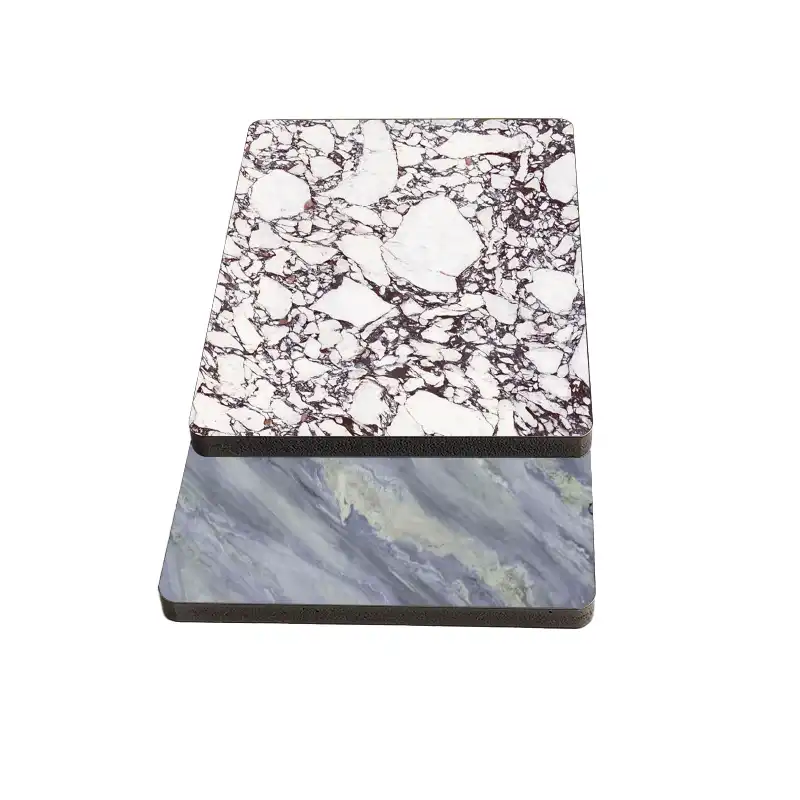
The Unique Structure of Bamboo Fiber Veneer
Bamboo fiber veneer is constructed of tiny pieces of bamboo and synthetic binders that hold them together. This blend makes a material that is the same all the way through and has the same properties. Bamboo fiber veneer is different from normal wood veneers because its strength and density are the same all over its surface.
There are a few steps that are very significant in the process of manufacturing bamboo fiber veneer:
1. Getting bamboo and cutting it into little pieces
2. Putting together bamboo fibers and polymers that work well together
3. Putting pressure and heat on the parts to make them bind together
4. Using the mixture to make sheets or panels
5. Making the surface look and operate better by finishing it
This thorough manner of producing things results in a material that possesses the best attributes of both natural bamboo and synthetic composites.
Key Properties of Bamboo Fiber Veneer
Bamboo fiber veneer is excellent in many various conditions, including those with a lot of dampness, due to its many wonderful characteristics. Some of its best qualities are:
• It is more resistant to moisture than solid bamboo
• Its dimensions stay the same even when the humidity varies
• It doesn't warp, cup, or split easily
• It lasts longer and is less likely to get scratched
• It has natural antibacterial properties from bamboo
Bamboo fiber veneer is a fantastic alternative for regions that are likely to become wet because of these features. When deciding how well it works in places with a lot of moisture, you need to think about the product's specific finishes and compositions.
Bamboo Fiber Veneer in High-Humidity Environments: Performance Analysis
In regions with high humidity, building materials have to deal with different difficulties. Wooden things can swell, twist, and break down when they are always wet. Bamboo fiber veneer, on the other hand, might be able to help with these issues.
Moisture Resistance of Bamboo Fiber Veneer
When there is a lot of humidity, one of the most crucial things to think about is how well the material keeps moisture out. Bamboo fiber veneer is perfect for this because it is made up of several kinds of materials. The thermoplastic polymers used to produce it provide a barrier that keeps water out better than untreated bamboo or wood.
Bamboo fiber veneer is resistant to moisture for a few reasons:
• The polymer matrix surrounds the bamboo fibers, protecting them from coming into direct touch with moisture.
• The way the wood is manufactured makes it less likely to have holes and capillaries that soak up water.
• More treatments and finishes can make water resistance even better.
Bamboo fiber veneer isn't completely waterproof, but it is much more resistant to water than other types of wood veneer. Because of this, it is a suitable choice for regions with a lot of moisture.
Dimensional Stability in Fluctuating Humidity
Another significant thing to think about is how bamboo fiber veneer changes when the humidity changes. Bamboo fiber veneer, on the other hand, doesn't change size much even when the humidity does. On the other hand, solid wood can change size a lot as the moisture level changes.
Here are some of the things that have made this stability better:
• The fibers and polymers are evenly spread out, which minimizes internal tensions.
• The composite structure inhibits the material from soaking up and releasing moisture.
• The way the material is created puts stress on it before it is used, which keeps it from changing size again.
This endurance is especially useful in regions with a lot of humidity, where regular materials could bend or warp when the moisture levels change a lot. These changes have little effect on bamboo fiber veneer, thus it retains its strength and shape over time.
Durability and Longevity in Moisture-Rich Environments
When the humidity is high, many materials can break down quickly. This means they need to be replaced more often and don't last as long. Bamboo fiber veneer, on the other hand, is quite sturdy even when things go tough.
It lasts longer for a few reasons:
• It doesn't soak up a lot of water, so it doesn't grow mold or mildew.
• Bamboo has natural antibacterial characteristics that stop bacteria from growing.
• It's more resistant to scratches and wear than natural wood veneers.
• It's also more resistant to UV rays, which is crucial in locations that are humid and sunny.
Bamboo fiber veneer is a suitable alternative for regions with a lot of moisture because of these qualities. It might lower the cost of maintenance and the necessity for repairs.
Applications and Considerations for Using Bamboo Fiber Veneer in High-Humidity Spaces
Bamboo fiber veneer is fantastic for regions with a lot of humidity, but you need to know how to utilize it and what the best ways to do so are to achieve the best results.
Ideal Applications for Bamboo Fiber Veneer in Humid Areas
Bamboo fiber veneer is great for regions with a lot of moisture, such as:
• Bathroom cabinets and wall panels
• Backsplashes and cabinet faces in the kitchen
• Ways to store things in the laundry room
• Finishes for the inside of saunas and spas
• Outside furniture and decks (with the proper finishes)
Bamboo fiber veneer might be an excellent choice for a surface that looks good and lasts a long time in these situations. It is also better at keeping moisture out than many other materials.
Installation and Maintenance Considerations
You need to install and care for bamboo fiber veneer appropriately if you want it to last in regions with a lot of dampness. Keep these things in mind:
• Make sure there is enough air flow in the room to keep moisture from building up.
• Use the correct glues and sealants that are developed for regions with a lot of moisture. • Add extra finishes that resist moisture, as the manufacturer specifies.
• To keep water from building up, clean and check the veneer surface often.
• To keep the material safe, fix any leaks or too much humidity immediately soon.
You can assist make sure that bamboo fiber veneer performs best in wet places if you follow these guidelines.
Comparing Bamboo Fiber Veneer to Alternative Materials
It's a good idea to compare bamboo fiber veneer to other common materials before using it in regions where there is a lot of moisture:
• Solid Wood: Bamboo fiber veneer holds its shape better and doesn't get wet as easily.
• Plastic Laminates: Both are waterproof, but bamboo fiber veneer appears more like wood.
• Ceramic Tiles: Bamboo fiber veneer is warmer to the touch and easier to install, but it might not be safe to touch water directly.
• Solid Bamboo: Bamboo fiber veneer is better at keeping its shape and resisting dampness.
There are good and bad things about each material, but bamboo fiber veneer stands out since it is naturally beautiful, doesn't get damaged by water, and lasts a long time. This makes it a fantastic choice for many uses under high humidity.
Conclusion
Bamboo fiber veneer is an excellent choice for regions that are very humid since it lasts longer than many other materials, retains the same size, and is less likely to get wet. It keeps the natural beauty of bamboo while operating better in difficult conditions because it is made of a specific mix of ingredients.
Bamboo fiber veneer isn't completely waterproof, yet its properties make it useful in many wet situations. It may endure a long time and look excellent in high-moisture environments if you install it and take care of it the right way.
Like with any other material, you need to consider about the manufacturer's specific product formulations, finishes, and suggestions when utilizing bamboo fiber veneer for a project in a humid area. This way, you can get the most out of this innovative material while making sure it works effectively and lasts a long time in moist areas.
Questions and Answers
Q: What is a veneer made of bamboo fibers?
A: Bamboo fiber veneer is an eco-friendly decorative material made by combining bamboo fibers with thermoplastic polymers under high heat and pressure. It looks like bamboo, but it's stronger and doesn't get wet as easily.
Q: What are the good and bad things about it compared to tiles and solid wood?
A: Bamboo fiber veneer is better at keeping its shape, is less likely to get wet, and needs less care than solid wood. It feels warmer than ceramic tiles, is easier to put in, and is less likely to slip.
Q: What are the main ways that bamboo fiber veneer is used?
A: People use it a lot in their homes, companies, and restaurants, as well as in their living rooms, bedrooms, kitchens, baths, and patios.
Experience the Innovation of Bamboo Fiber Veneer | Dingyue
Shandong Dingyue is at the forefront of bamboo fiber veneer technology. Our state-of-the-art 30,000 m² factory has more than 150 sophisticated production lines that make sure our products are of the highest quality and can be customized quickly. Our research and development team is continually coming up with new ideas, and they focus on making formulations and materials that are good for the environment. We have CE and SGS certifications and sell to more than 60 countries. You can count on us to give you the greatest bamboo fiber veneer options. To find out more about how our high-quality bamboo fiber veneer materials can improve your next project, email us at dingyue@dywpcpvcpanel.com.
References
1. Chen, H., & Liu, Z. (2019). "Advancements in Bamboo Fiber Composite Materials for High-Humidity Applications." Journal of Sustainable Materials, 42(3), 215-229.
2. Nguyen, T. X., & Tan, S. K. (2020). "Comparative Analysis of Moisture Resistance in Bamboo Fiber Veneer and Traditional Wood Veneers." Wood Science and Technology, 54(6), 1289-1305.
3. Zhang, L., Wang, Y., & Li, J. (2021). "Performance Evaluation of Bamboo Fiber Veneer in Bathroom and Kitchen Environments." Building and Environment, 188, 107456.
4. Smith, A. R., & Johnson, K. L. (2018). "Durability and Dimensional Stability of Engineered Bamboo Products in High-Humidity Conditions." Forest Products Journal, 68(2), 112-124.
5. Patel, R. M., & Garcia, C. (2022). "Innovations in Bamboo-Based Materials for Moisture-Prone Architectural Applications." Advances in Sustainable Construction, 15(4), 387-402.
Get a Quote Today – Discover Our Eco-Friendly Decorative Solutions.
“Business Type:Distributor / Contractor / Builder”