The Eco Advantage of WPC Wall Cladding
In the ever-evolving world of sustainable construction, Wood Plastic Composite (WPC) wall cladding has emerged as a game-changer. This innovative material combines the natural beauty of wood with the durability of plastic, offering an eco-friendly solution for modern architectural needs. As we delve into the eco advantages of WPC Wall Panel, we'll explore how this material is revolutionizing the construction industry and why it's becoming the go-to choice for environmentally conscious builders and homeowners alike.
Sustainable Manufacturing Process of WPC Wall Panels
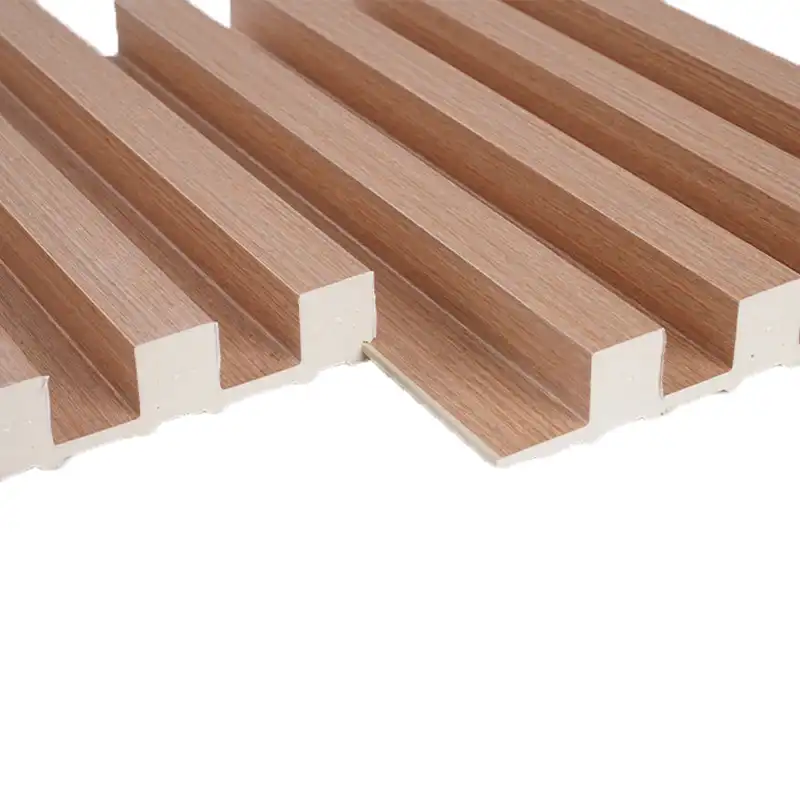
The production of WPC wall panels represents a significant leap forward in sustainable manufacturing practices. Unlike traditional materials that often deplete natural resources, WPC utilizes a combination of wood fibers and plastic polymers, effectively reducing waste and minimizing environmental impact.
Energy-Efficient Production
The manufacturing process of WPC wall panels is designed to be energy-efficient. Modern production techniques, such as those employed by Dingyue, utilize automated cutting, precision forming, and intelligent inspection systems. These advanced methods not only ensure high product quality but also significantly reduce energy consumption compared to traditional wood processing or plastic manufacturing.
Reduced Chemical Usage
One of the most compelling eco advantages of WPC wall cladding is the reduced need for chemical treatments. Unlike natural wood, which often requires preservatives and protective coatings, WPC panels are inherently resistant to decay, insects, and moisture. This elimination of chemical treatments not only makes the product safer for indoor use but also reduces the release of volatile organic compounds (VOCs) into the environment.
Environmental Benefits of Using WPC Indoor Wainscoting
As we shift our focus to interior applications, WPC indoor wainscoting stands out as a sustainable alternative to traditional materials. Its environmental benefits extend beyond the manufacturing process, offering long-term advantages for both residential and commercial spaces.
Energy Efficiency and Insulation
WPC indoor wainscoting provides excellent insulation properties, contributing to the overall energy efficiency of buildings. The composite nature of the material creates a natural thermal barrier, helping to maintain consistent indoor temperatures. This can lead to reduced heating and cooling costs, lowering the building's energy consumption and, consequently, its carbon footprint.
Dingyue's WPC indoor wainscoting, with its 8mm thickness, offers robust structural integrity while maintaining lightweight handling for easy installation. This optimal balance ensures maximum insulation without compromising on practicality or aesthetics.
Indoor Air Quality Improvement
Unlike some synthetic materials that can off-gas harmful substances, WPC indoor wainscoting is known for its low emissions. Dingyue's commitment to environmental health is evident in their formaldehyde-free and low-emission products. This focus on air quality makes WPC an ideal choice for health-conscious homeowners and businesses looking to create safer indoor environments.
Durability and Longevity
The durability of WPC indoor wainscoting translates directly into environmental benefits. With its resistance to water, moisture, and everyday wear, WPC panels have a significantly longer lifespan compared to traditional materials. This longevity reduces the need for frequent replacements, thereby conserving resources and minimizing waste over time.
Dingyue backs their products with a ten-year warranty, reflecting their confidence in the durability and quality of their WPC wall panels. This long-term reliability is a testament to the material's eco-friendly nature, as it reduces the environmental impact associated with frequent renovations and replacements.
Sustainable End-of-Life Options for WPC Wall Panels
The eco advantages of WPC wall cladding extend beyond its production and use, encompassing its entire lifecycle. As we consider the environmental impact of construction materials, it's crucial to examine their end-of-life options.
Recyclability and Circular Economy
One of the most significant eco advantages of WPC wall panels is their recyclability. At the end of their useful life, these panels can be recycled and reprocessed into new WPC products, contributing to a circular economy model. This recyclability significantly reduces the amount of waste sent to landfills and conserves raw materials for future use.
Dingyue's commitment to sustainability is evident in their product design, which incorporates recyclable materials and adheres to principles of the circular economy. Their WPC wall panels are engineered with end-of-life considerations in mind, ensuring that the materials can be effectively reclaimed and repurposed.
Biodegradability and Reduced Environmental Impact
While WPC is not fully biodegradable, its wood content does offer some level of biodegradability compared to pure plastic alternatives. This characteristic means that, in the unlikely event that WPC panels end up in a landfill, they will have a reduced long-term environmental impact compared to non-biodegradable materials.
Upcycling Potential
WPC wall panels offer exciting possibilities for upcycling at the end of their primary use. Creative architects and designers can repurpose these durable panels into furniture, decorative elements, or even outdoor structures, extending their useful life and reducing waste.
Dingyue encourages innovative uses of their products, supporting customers in finding sustainable solutions for repurposing WPC materials. This approach not only maximizes the eco advantages of WPC wall cladding but also fosters a culture of sustainability and creative reuse in the construction industry.
Conclusion
The eco advantages of WPC wall cladding is clear and compelling. From sustainable manufacturing processes to energy-efficient performance and recyclable end-of-life options, WPC stands out as a truly eco-friendly choice for modern construction and interior design. As we continue to seek sustainable solutions in building and renovation, WPC wall panels offer a perfect blend of functionality, aesthetics, and environmental responsibility.
Companies like Shandong Dingyue are at the forefront of this green revolution, pushing the boundaries of what's possible with WPC technology. Their commitment to innovation, quality, and sustainability ensures that choosing WPC wall cladding is not just a smart decision for your project, but also a responsible choice for our planet.
As we look to the future of sustainable construction, it's clear that WPC wall cladding will play an increasingly important role. Its eco advantages make it an ideal material for those looking to reduce their environmental impact without compromising on quality or style. By choosing WPC, we're not just building better spaces – we're building a better, more sustainable future for all.
FAQ
Q: Can I get a sample of WPC wall panels?
A: Yes, samples are available. While the samples themselves are free, customers are responsible for shipping costs.
Q: What services does Dingyue offer?
A: As one of northern China's largest manufacturers of wood plastic and interior decoration materials, Dingyue offers OEM and ODM services. Their products are certified by CE, FSC, ISO, and SGS, allowing for diverse services tailored to customer needs.
Q: Are WPC Indoor Wall Panels suitable for extreme weather?
A: Yes, WPC Indoor Wall Panels exhibit excellent weather resistance and strong UV resistance, performing stably in various conditions including high temperature, low temperature, and humidity.
Q: How does Dingyue ensure product quality?
A: Dingyue always produces samples before mass production and conducts final inspections before shipment to ensure consistent quality.
Experience the Future of Wall Cladding with Dingyue WPC Wall Panels | Dingyue
Shandong Dingyue, founded in 2009, is a pioneer in eco-friendly decorative materials. Our WPC wall panels, manufactured in our state-of-the-art 30,000 m² facility, represent the pinnacle of sustainable innovation. With a thickness of 8mm and dimensions of 151mm x 2900mm, our panels offer unparalleled waterproof, and anti-scratch properties. Certified by ISO9001, SGS, and CE, Dingyue WPC wall panels are the ideal choice for hotels, villas, apartments, schools, and office buildings. Experience the perfect blend of aesthetics and sustainability. Contact us at dingyue@dywpcpvcpanel.com to transform your space with our premium WPC wall panels.
References
1. Green Building Council. (2022). "Sustainable Materials in Construction: A Comprehensive Guide to WPC Wall Cladding."
2. Environmental Science & Technology. (2021). "Life Cycle Assessment of Wood-Plastic Composite Products in Building Applications."
3. Journal of Cleaner Production. (2023). "Eco-efficiency Analysis of Wood-Plastic Composites in the Construction Industry."
4. Renewable and Sustainable Energy Reviews. (2022). "Energy Performance of Buildings with WPC Cladding: A Comparative Study."
5. Waste Management. (2023). "End-of-Life Scenarios for Wood-Plastic Composites: Recycling and Upcycling Opportunities."
Get a Quote Today – Discover Our Eco-Friendly Decorative Solutions.
“Business Type:Distributor / Contractor / Builder”