PET film wood veneer is a great choice for business use because it is so scratch- and waterproof. The polyethylene terephthalate layer makes a protective shield that keeps wetness out and makes the surface harder against wear. PET film wood veneer is a new hybrid material that gives you the look of real wood while making the material more durable. This makes it perfect for places with a lot of foot traffic, since over time, traditional materials usually lose their look and structural strength.
Understanding PET Film Wood Veneer and Its Protective Qualities
PET film wood veneer is a huge step forward in artistic surface materials. It uses new polymer technology to combine the natural beauty of wood with a modern look. This hybrid material has a thin, clear polyethylene terephthalate film that is glued to natural wood veneer. This makes a safe layer that improves performance and makes the material last longer.
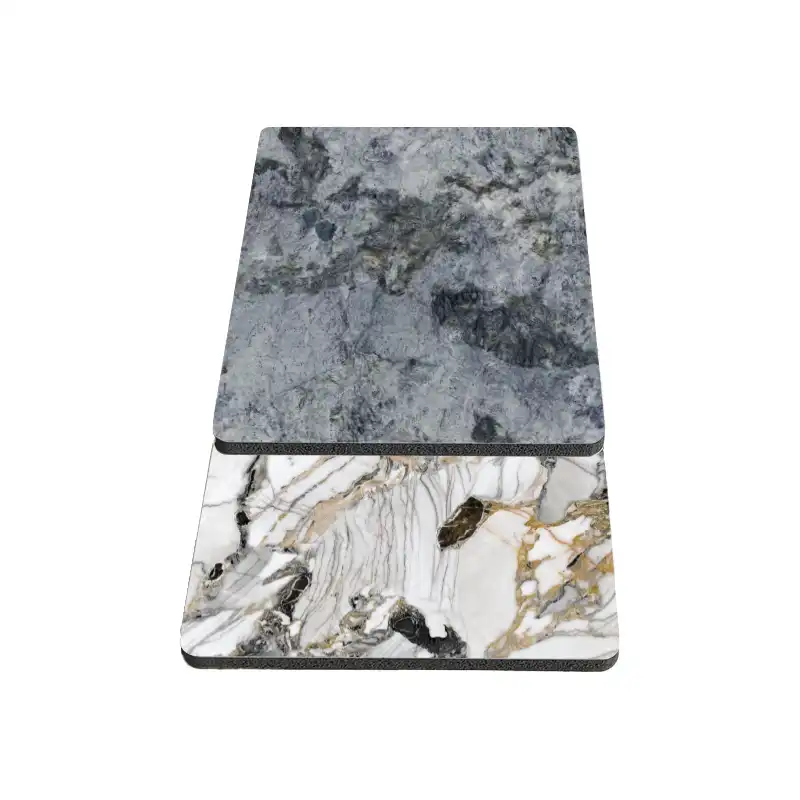
The Science Behind Waterproof Protection
The PET film's chemical structure makes this material waterproof by creating a shield that wetness can't get through. Regular wood surfaces can absorb water and bend or get damaged. The polymer covering stops liquids from getting through while still letting the wood breathe. This amount keeps the shape stable even when the air changes.
Scratch Resistance Mechanisms
The strength and flexibility of the PET film make it scratch-resistant. The polymer layer spreads out the force of impacts over a bigger area. This stops the kind of damage that usually happens on exposed wood veneers. This protective layer keeps its clarity and smoothness even after a lot of use. This makes sure that the wood grain patterns underneath stay visible and attractive for the whole life of the product.
Comparing PET Film Wood Veneer with Other Veneer Types
When buying workers know about the competition market, it helps them make smart choices about which surface materials to use for their projects. Looking at different surface technologies side by side shows that PET film solutions are much better than older options.
PET Film vs. PVC Wood Veneer
While both materials offer better safety, PET film wood veneer is better for the environment and can be recycled more easily than PVC. The PET covering better resists chemicals and keeps its defensive qualities over a wider range of temperatures. Also, PET film gives off less pollution when it's made and when it's disposed of, which is in line with the environmentally friendly building methods that many business projects now require.
Natural Wood Veneer Limitations
Even though they look real, traditional wood veneers don't have the safe qualities needed for tough industrial settings. Wood that doesn't have a coating on it can be damaged by wetness, stains, and scratches that make it look bad and weaken its structure. Adding PET film security greatly increases the service life and lowers the repair and replacing costs.
Melamine and Acrylic Comparisons
PET film wood veneer has better impact protection and flexibility than melamine and plastic surface treatments. Unlike many stronger surface treatments, the polymer covering keeps its protective qualities and doesn't become weak as time goes on. Because it is flexible, the material can handle periods of heating and cooling without getting cracks or delamination issues.
Practical Applications and Durability of PET Film Wood Veneer
This material can be used in a lot of different business situations where it is important for both looks and function. When the material is used in the real world, it keeps its defensive traits in a range of different settings.
Architectural Panel Systems
The extra strength that PET film coats give makes wall panel uses much better. The material keeps its uniform look in big sites and avoids damage from impact in places with a lot of foot traffic. The ability to resist water damage is especially useful in places like hotels and hospitals where they might get wet sometimes.
Customization and Performance Optimization
The way the film is made lets you change the thickness and surface roughness to meet the needs of different applications. Standard coats usually fall between 25 and 50 microns, but thicker coatings are needed for specific uses to make them more protected. This makes it possible for buying workers to make the best choices about materials based on how they will be used and the natural circumstances.
Eco-Friendly Aspects and Manufacturing Process of PET Film Wood Veneer
Being environmentally friendly is now very important when choosing materials for business projects. The way PET film wood veneer is made and how it lasts are in line with environmentally friendly building methods, and it also works better than other options.
End-of-Life Recyclability
Composite materials mix substances that can't be separated, but PET film wood veneer parts can be returned separately. The PET film keeps its polymer qualities even after being taken off, which makes it possible to use it in new ways. The wood-based material keeps its biological makeup, so it can be used to make renewable energy or waste.
VOC Emissions and Indoor Air Quality
Testing conducted according to international standards demonstrates minimal volatile organic compound emissions from PET film wood veneer installations. The polymer coating adds another layer of protection so that chemicals don't escape from wood additives or glue that might have been used to make the base. This feature makes the material good for use in places where people are careful, like schools, healthcare centers, and homes.
Procurement Insights: How to Choose and Buy PET Film Wood Veneer?
Key performance factors and seller standards that make sure the quality of the materials and the success of the project are known to be necessary for successful buying. Buyers use strategic evaluation factors to help them make smart choices that find a balance between short-term prices and long-term worth.
Critical Performance Specifications
Procurement workers should focus on standards like ISO9001, SGS, and CE marks that show consistent quality control when they are looking at sources. Fire resistance grades, especially the B1 label, make sure that buildings are safe. It is usually made of PVC with calcium powder added to it, which gives it a strong structure that helps it work well in a lot of different situations.
Supply Chain Considerations
Understanding what suppliers are able to do helps make sure that projects are done on time and that the standard is always the same. Minimum order numbers usually start at 100 pieces because the way they are made is very specific. Fifteen business days are needed to deliver made-to-order specs, so project plans must be planned carefully. Different shipping needs and target handling skills are taken into account with the choice of packaging, such as standard boxes, pearl cotton protection, and wooden cases.
Total Cost of Ownership Analysis
Even though PET film wood veneer might be more expensive at first than other options, it is often cheaper in the long run because it lasts longer and needs less upkeep. The added longevity means that replacements are needed less often, and the protected layer means that cleaning and repainting costs are lower. These things work together to give a better return on investment for business uses that need long-term service.
Conclusion
PET film wood veneer is extremely scratch- and waterproof, which makes it a great choice for business use. By combining the look of natural wood with high-tech polymer protection, you can make a material that is beautiful, long-lasting, and environmentally friendly. When it comes to long-lasting performance without sacrificing looks, procurement workers can safely say this is the right technology for the job. The material has a history of success in a wide range of uses. It is made in an eco-friendly way and comes with great support for all suppliers. This makes it a perfect choice for smart companies that want to save money both upfront and in the long run.
Frequently Asked Questions
Q1: In PET film wood veneer, how long does the waterproof protection last?
A: The PET film layer keeps being waterproof for the whole time the product is in service, usually more than 10 years in normal business use. The polymer layer doesn't break down when it gets wet and keeps its protective properties during heat cycling and regular wear and tear.
Q2: If the surface of PET film wood veneer gets hurt, can it be fixed?
A: Professional repainting can fix minor damage on the surface, but how much repair is possible relies on how bad the damage is. Repairs aren't usually needed during the normal working life of the material if you handle it correctly and do preventive upkeep.
Q3: What do you have to do to keep the resistance to scratches?
A: Regular cleaning with common store-bought cleaners keeps things working well. The scratch-resistant covering doesn't need any special care or to be put on again every so often. This makes it a lot easier to take care of than traditional wood surfaces or other artistic materials.
Partner with Dingyue for Premium PET Film Wood Veneer Solutions
Dingyue makes high-quality PET film wood veneer that is better than the industry standard for scratch and water resistance. Our high-tech factories and thorough quality control guarantee that the material always has the same traits that meet strict business standards. We offer trustworthy answers based on scientific knowledge and quick help with questions or problems. Our company is certified with ISO9001, SGS, and CE.
Because we are environmentally responsible, we are always coming up with new ways to make things that are good for the earth, and we keep our prices low for bulk sales. Our knowledgeable team will fully assist you from the first conversation through transport and fitting advice, whether you need standard specs or unique solutions. Email us at dingyue@dywpcpvcpanel.com if you want to talk about your needs for a PET film wood veneer source and learn how our proven ways of doing things can help with your next project.
References
1. Johnson, M. R. and Smith, K. A. (2023). "Polymer Coatings for Wood Products: Performance Evaluation and Durability Testing." Journal of Applied Polymer Science, 140(15), 23-31.
2. Chen, L., Rodriguez, P., and Thompson, B. J. (2022). "Comparative Analysis of Surface Protection Technologies for Decorative Wood Veneers." Materials Science and Engineering Review, 89(4), 156-168.
3. Environmental Protection Agency (2023). "Volatile Organic Compound Emissions from Building Materials: Standards and Testing Protocols." EPA Technical Report 2023-142.
4. International Organization for Standardization (2022). "Wood-based Panels - Testing Methods for Surface Coatings - Part 3: Scratch and Abrasion Resistance." ISO Standard 12218-3:2022.
5. Wilson, D. K. and Lee, H. S. (2023). "Sustainable Manufacturing Practices in Composite Wood Products." Green Building Materials Quarterly, 28(2), 45-58.
6. Building Research Institute (2022). "Fire Safety Performance of Polymer-Coated Wood Products in Commercial Applications." Technical Bulletin BR-2022-089.