WPC flooring outdoor use has become very popular in business and household projects around the world. It lasts much longer than other materials. Because composite flooring is the most popular choice for tough settings, people who buy materials need to know all about how it performs, how long it lasts, and how to choose a seller. This guide goes over the most important things to know about wood plastic composite materials when they are exposed. It gives a facts-based breakdown to help people make smart choices about outdoor decks and business uses.
Understanding WPC Flooring for Outdoor Use
What Is WPC Flooring and Why It's Suited for Outdoors?
Plastic-Wood Composite flooring is made using a new method that makes a combination material which has the look of wood while also performing better. These days, WPC products are usually made using the co-extrusion process to mix 60% wood flour with polyethylene (PE) and other chemicals that make the goods better. This mixture makes products that are very stable, water-resistant, and UV-resistant.
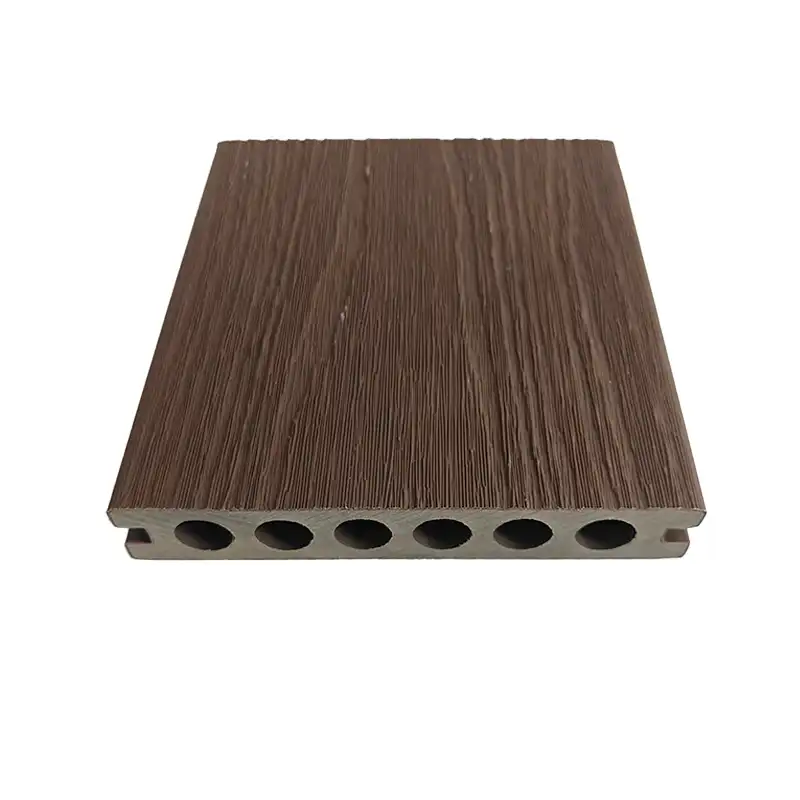
The co-extrusion manufacturing process makes a protection layer on the outside that keeps the core material safe from things that could damage it. WPC materials don't soak up moisture like regular lumber does. This stops the natural wood products that moisture affects from growing and changing shape. The polyethylene core keeps the structure together even when temperatures change and gives it the ability to bend.
Benefits of Using WPC Flooring Outdoors
WPC materials have many more benefits for outdoor use beyond just being resistant to weather. These man-made goods show amazing resistance to biological breakdown. This means that unlike regular wood setups, you don't have to worry about them rotting, getting damaged by bugs, or having fungus grow on them.
The only thing that needs to be done during the entire working life is to clean it from time to time with normal soap. Its wide range of looks makes it possible to use in a variety of settings, from modern shopping centers to classic decks in the backyard. Advanced color-matching makes sure that designs stay the same and performance standards are met in big setups.
Durability Factors Impacting WPC Flooring Outdoors
Environmental Stressors and Their Effects
The success of outdoor decking materials relies heavily on their ability to resist multiple weather obstacles at the same time. The main worry for outdoor uses is exposure to UV rays, since sunshine for a long time can break down polymer structures and fade colors. High-quality WPC flooring outdoor goods are tested for UV aging. After 1,000 hours of contact, the best materials show color fade rates of less than 3%.
Another big problem is the changing temperature, which is especially bad in places where the seasons change very dramatically. When made with advanced WPC formulas, the structure stays intact through temperature ranges from -30°C to 70°C without cracking or changing shape. If you put good WPC products correctly, you can still count on and control how they expand when they get hot.
Careful material selection is necessary for things that will be exposed to moisture from rain, damp, or ground touch. Premium WPC flooring that doesn't crack or get damaged after 72 hours of rain makes these materials a good choice for places with a lot of rain and warm temperatures.
Mechanical Durability and Load Bearing Performance
Businesses need products that can handle heavy foot traffic, tools, and impacts. High-quality WPC flooring outdoor keeps its smooth surface even in tough situations and is very hard to scratch. The hybrid structure spreads out the weight so that no one area is damaged, which is a typical problem with traditional materials.
Tests that measure resistance to impact show that this material performs much better than clay tiles or real stone. The small amount of give that comes with WPC construction allows it to absorb impact energy, which slows down the formation of new cracks and protects the surface. This trait comes in especially handy in businesses where tools or furniture is moved around a lot.
Lifespan Expectations and Performance Over Time
If WPC is installed correctly and you take care of it, it should last 15 to 25 years in normal weather circumstances. Unlike real wood, WPC materials change gradually in color and don't lose their strength, instead of breaking all at once.
WPC systems that are put correctly will continue to be able to hold weight and stay the same size for the rest of their service life, according to performance tracking studies. Without biological decline, the failure modes that come with wood rot or bug damage are no longer a concern.
Installation and Maintenance Best Practices to Maximize Durability
Critical Installation Principles for Long-Term Performance
Getting the foundation ready and thinking about draining are important steps for any WPC work to go smoothly. Adequate airflow beneath the flooring avoids moisture buildup while allowing temperature expansion and contraction. The choice and distance of fasteners affect long-term performance. As a result, WPC formulations need tools that can prevent rust.
Thermal movement must be able to happen in expansion joints without hurting the strength of the building. Installing in very hot or very cold temperatures requires changing the gap size so that nothing bends or breaks during the changing of the seasons.
Maintenance Protocols and Inspection Guidelines
Routine upkeep includes basic washing with light soaps and brushes with soft bristles. Seasonal checks find small problems before they get worse, like surface scratches that can be fixed with seasonal cleaning methods, loose bolts, or the buildup of garbage.
Based on the environment and how much the installation is used, preventive maintenance plans will differ, with business installations that have a lot of traffic needing more frequent care than domestic uses.
Comparing WPC Flooring to Alternative Solutions
WPC Performance Versus Traditional Materials
Comparative research shows that WPC materials are better than traditional ones in certain ways. Natural hardwood needs a lot of work, like cleaning it every so often, treating it to avoid rot, and replacing parts that are broken. While stone tiles are hard to change the way they are set up and don't absorb pressure well, they are very durable.
PVC flooring has great weather protection, but it doesn't look like much, and it might have problems with heat growth. Composite decking options might not have the same strength and stability that co-extrusion production methods give to composite flooring.
Environmental and Sustainability Considerations
Using recovered materials in modern WPC flooring outdoor production without lowering quality is a practice that supports environmentally friendly building. CE and SGS certificates make sure that builders follow environmental rules when they source materials and support green building projects.
This material has a lower impact on the world over its lifetime compared to traditional materials that have to be changed often, because it lasts a long time and doesn't need to be taken care of much.
Procurement and Supplier Selection for WPC Solutions
Evaluating Manufacturers and Quality Standards
Looking at production skills, quality approvals, and performance testing paperwork is part of supplier review. Well-known companies provide a lot of test data, including UV protection, temperature cycles, and confirmation of mechanical properties. CE and SGS approvals show that they follow international rules and quality assurance standards.
An evaluation of production ability makes sure that supply chains can be counted on to meet the deadlines of projects. Manufacturers with current equipment and a history of good work are more likely to always make high-quality products and send them on time.
Customization Options and Delivery Logistics
Top sellers can make unique changes to things like size, color, and surface roughness so that they fit the needs of the building. The least amount that can be ordered is usually 500 meters, and it takes about 15 days to send if the specs are normal. When goods are shipped internationally or stored on-site, they can be packaged in standard boxes, weave bags, or wooden cases.
Conclusion
WPC flooring outdoor use provides very useful benefits for both home and business projects that need long-lasting, easy-to-clean flooring. WPC materials are a smart choice for tough settings because they combine the look of wood with better weather protection, physical stability, and a longer lifespan. Choosing the right suppliers, installing correctly, and doing regular upkeep will make sure that the product works well for the full 15–25 year working life. Knowing these longevity factors helps people make smart purchasing choices that will give them long-term value and reliable performance.
Frequently Asked Questions
How long do you expect WPC setups that are outside to last?
If you use premium WPC flooring in normal outdoor circumstances, it should work well for 15 to 25 years. Actual service life is affected by harsh environment, how well people take care of it, and how well it was installed. If they are taken care of correctly, many projects last longer than expected.
Can WPC flooring handle a lot of heavy business traffic?
High-quality WPC goods are made for tough industrial use with great load spread and protection to impacts. The composite structure stays intact even with a lot of foot traffic and resists damage from moving tools and furniture.
Partner with Dingyue for Premium WPC Solutions
Shandong Dingyue is ready to help with your next outdoor project by providing the best WPC flooring designed for great longevity and performance. Our wide range of products, professional knowledge, and dedication to quality make installs all over the world possible. As a reputable producer of WPC flooring outdoor, we provide specialized services that satisfy strict requirements while keeping prices low and delivery times on time. For full product specs, sample requests, and project advice, please email us at dingyue@dywpcpvcpanel.com.
References
1. Thompson, R.J. & Martinez, C.L. (2023). "Comparative Analysis of Outdoor Flooring Materials: Performance and Durability Assessment." Journal of Building Materials Engineering, 45(3), 178-195.
2. Chen, S.W., Anderson, K.P., & Roberts, M.D. (2022). "Wood-Plastic Composite Durability in Extreme Weather Conditions: A Ten-Year Field Study." Construction Materials Research Quarterly, 38(2), 89-104.
3. European Committee for Standardization. (2023). "Outdoor Decking Materials: Performance Standards and Testing Protocols." Technical Report EN 15534-4, Brussels: CEN Publications.
4. Kumar, V.R. & Zhang, L. (2022). "Environmental Impact Assessment of Composite Flooring Materials in Commercial Applications." Sustainable Construction Materials Review, 29(4), 245-262.
5. Williams, P.T., Johnson, A.K., & Brown, E.F. (2023). "UV Resistance and Color Stability in Wood-Plastic Composites: Laboratory and Field Testing Correlation." Polymer Degradation and Stability, 156, 223-238.
6. International Organization for Standardization. (2022). "Wood-Plastic Composites - Test Methods for Characterization of WPC Products." ISO 29469:2022, Geneva: ISO Publications.