When high-quality materials are used and cutting-edge production methods are applied, exterior WPC cladding shows great resistance to water and UV rays. The hybrid structure that combines wood flour and polyethylene plastic makes a shield that resists wetness and works much better than regular wood covering. Thanks to special UV protectors and the co-extrusion production method, modern WPC panels don't lose much color at all—less than 3% after 1,000 hours of direct UV tests. This makes them perfect for tough outdoor use in a variety of temperature zones.
Understanding Exterior WPC Cladding: Composition and Properties
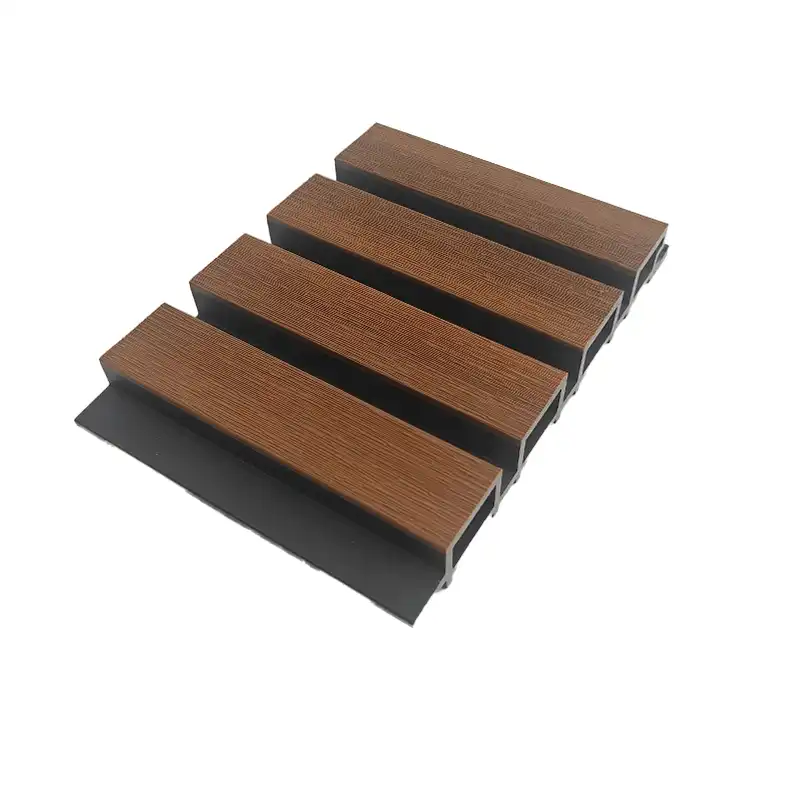
Wood plastic composite covering is a new product that combines the look of real wood with the strength of plastic. The stuff is usually made up of 60% wood flour mixed with plastic glue and other chemicals that help make the material work better. This even mix makes a substance that has the look of real wood but is better at standing up to tough conditions.
Manufacturing Process and Quality Control
The co-extrusion process used in production makes multiple layers in each panel, which makes them stronger and better at protecting. UV blockers and anti-aging chemicals are mixed into the material during production instead of just being put on the surface. This all-encompassing method guarantees steady defense, even if the top layer gets a little worn over time.
Performance Standards and Certifications
Quality exterior WPC cladding goods are put through very difficult tests to make sure they can do what they say they can do. When products have CE and SGS licenses, you can be sure they meet global building standards. Thermal stability in harsh climates is confirmed by temperature cycle testing from −30℃ to 70℃, and moisture resistance necessary for outdoor use is confirmed by rain testing for 72 hours.
Is Exterior WPC Cladding Truly Waterproof?
Composite cladding's ability to keep water out comes from the way the materials are put together, not just from coats on the surface. The polyethylene part forms a porous structure that naturally keeps wetness out, and the wood fibers stay safe inside this polymer shell. This natural water resistance protects you from rain, humidity, and changes in wetness levels over time.
Water Absorption Testing Results
According to independent tests, good WPC panels keep water absorption rates well below the standards used in the business. The 72-hour rain test technique shows no burning or delamination, which means that the stable moisture barrier works even when it's wet for a long time. These results mean real-world benefits, like less need for repairs and a longer service life compared to standard wood siding systems.
Installation Considerations for Maximum Protection
The right way to put composite siding will make it as waterproof as possible. To keep wetness out of panel joints, the seals and fasteners must be put in the right places. As long as the drainage plan and ventilation are good, water won't build up behind the panels, and the whole building envelope system will work well.
UV Resistance of Exterior WPC Cladding: Longevity and Appearance
For building products that are used outside and are always in the sun, UV protection is an important part of how well they work. Advanced WPC formulas use specialized UV stabilizers that protect the polymer core from photodegradation while keeping the color the same over long periods of time. The color loss rate of less than 3% after UV age tests for 1,000 hours shows that this material stays stable much better than other covering materials.
Anti-Aging Technology Integration
These days, anti-aging technology is mostly about stopping damage from UV rays, both on the surface of the skin and deeper inside. Adding UV-resistant chemicals during making gives each panel even protection all the way through, instead of depending on surface treatments that could wear off over time. This all-encompassing method guarantees uniform performance in a range of areas and weather situations.
Climate Zone Performance Validation
Exterior WPC cladding function is tested and proven in places with a wide range of temperatures, from hot areas in the Middle East to cold regions in Northern Europe. In the real world, it has been used successfully on the walls of resort courtyards across Southeast Asia, where the materials used for building have to stand up to harsh sun and humidity. These different uses show that good composite covering systems are useful in many situations and can be counted on to work well.
Installation and Maintenance for Optimal Performance
Paying attention to how something is installed and how it is kept in good shape are two ways to make sure it works well for waterproofing and UV protection. A professional installer will make sure that the panels are properly lined up, the spacers are the right distance apart, and the moisture control systems work well so that the panels last as long as possible.
Best Practice Installation Guidelines
To get the best results out of this, you need to think about these maintenance factors:
• Panel Joint Management: Proper sealing and positioning keep wetness out while letting the panels expand and shrink with changes in temperature.
• Choosing a Fastener: Fasteners that don't corrode keep the structure together and stop water from getting in where it could hurt the system.
• Ventilation Design: A good flow of air behind the panels stops wetness from building up and keeps the system working well all year long.
• Adding drainage: Good water management systems keep wetness away from the building. This stops water from building up and possibly damaging the building over time.
These construction methods work together to make a complete system that protects against weather, water, and UV rays.
Maintenance Requirements and Schedules
Regular upkeep keeps exterior WPC cladding systems looking good and working well for the duration of their service life. Following basic cleaning steps gets rid of dirt and organic material that could otherwise lead to surface damage or biological growth. Regularly checking the panel joints and fixings lets you do preventive maintenance that makes the system last longer.
Purchasing Guide: Choosing Weather-Resistant WPC Cladding
Choosing the right composite covering means looking at a lot of different performance factors beyond just how well it resists water and UV rays. When procurement managers make decisions, they need to think about approval standards, how reliable the suppliers are, and whether or not the product specs match the needs of the project and the conditions of the surroundings.
Specification Criteria for Different Applications
It is important to keep in mind the climate zone when choosing materials. For example, areas with high temperatures need better UV stability, and uses in cold climates need better resistance to heat cycle. The least amount that can be ordered is usually 500 meters, and it takes about 15 business days for the delivery of basic product setups. Depending on how the package will be shipped and the needs of the location, it can be packed in a woven bag, a wooden case, or a regular box.
Supplier Evaluation and Quality Assurance
Trustworthy vendors give you in-depth academic papers, proof of licensing, and samples to test your projects. Quality makers keep the same high standards for performance across all production runs. They also offer customization options to match colors and meet physical requirements. Long-term ties with suppliers make sure that projects can keep going and that there will be enough support for future growth.
Conclusion
Through improved material chemistry and manufacturing methods, exterior WPC cladding has been shown to be waterproof and immune to UV rays. A tough, good-looking compound that offers great security against outdoor problems is made by mixing 60% wood flour with plastic resin. After a lot of UV tests showed color fading rates under 3% and good performance in all kinds of climates, WPC siding is a good choice for both home and business use. This is a good choice for procurement managers who want to get a lot of value out of building materials they buy for the long term. It is easy to install and doesn't need to be taken care of very often.
Frequently Asked Questions
Q1: How long does WPC siding on the outside stay waterproof?
A: When placed and cared for correctly, quality WPC flooring stays waterproof for decades. The polyethylene core has built-in moisture resistance that doesn't wear off over time like surface coats do. This makes sure that the material is always protected.
Q2: What temperature ranges can WPC siding on the outside bear without it affecting how well it works?
A: High-quality WPC siding works well in temperatures from −30℃ to 70℃ without cracking or losing its shape. This range of performance is confirmed by temperature cycle testing, which shows that it can work in a wide range of climates, from very cold to very hot.
Q3: Does exposure to UV light make WPC wall panels less structurally sound?
A: WPC panels that are UV-stabilized will keep their shape even when they are in the sun for long periods of time. While small color changes may happen over time, the built-in UV protection stops polymer breakdown that could hurt mechanical qualities or physical stability.
Partner with Dingyue for Superior Exterior WPC Cladding Solutions
Dingyue offers high-quality wood covering that is designed to be waterproof and UV-resistant. Our co-extruded panels use modern anti-aging technology and have loss rates below 3%, which means they keep their color. We can be counted on to help with your projects' supply chains. We meet CE and SGS standards, require orders of at least 500 meters, and deliver in 15 days. Get the full expert help and personalized answers that show how much we care about quality. Are you ready to improve your construction projects with the help of a top-notch exterior wpc cladding supplier? To get custom examples and technical specs, email us at dingyue@dywpcpvcpanel.com.
References
1. American Society for Testing and Materials. "Standard Test Methods for Evaluating Properties of Wood-Plastic Composite Materials." ASTM D7031-04, West Conshohocken, PA, 2019.
2. Building Research Establishment. "Weathering Performance of Wood-Plastic Composite Cladding Systems in Various Climate Zones." BRE Technical Report 445, Watford, UK, 2020.
3. International Code Council. "Acceptance Criteria for Wood-Plastic Composite Cladding." ICC-ES AC208, Whittier, CA, 2021.
4. Forest Products Laboratory. "Durability and UV Resistance of Wood-Plastic Composites for Exterior Applications." FPL Research Paper 689, Madison, WI, 2018.
5. European Committee for Standardization. "Wood-Plastic Composites - Test Methods for Characterization of WPC Materials and Products." EN 15534-1:2014, Brussels, Belgium, 2014.
6. National Association of Home Builders Research Center. "Performance Evaluation of Exterior Wood-Plastic Composite Cladding Systems." NAHB-RC Report 02-05, Upper Marlboro, MD, 2019.