If restaurants and bars want to make outdoor eating areas that are welcoming and long-lasting, WPC flooring outdoor is the way to do it. This new hybrid material blends the natural beauty of wood with the strength of modern plastics, making it work really well in business dining settings. WPC flooring for outdoor use has become more popular with procurement managers and design professionals who need materials that can handle a lot of foot traffic and extreme weather, are easy to clean, and still look good to make the dining experience better for customers.
Introducing Outdoor WPC Flooring for Commercial Use
Plastic Wood Through a complex co-extrusion process, composite flooring is made by combining about 60% wood flour with polyethylene and other chemicals designed for this purpose. This method of making composite decking material provides better slip resistance, greater comfort, and a more elegant look that is perfect for social settings. The finished product is very durable, so it can handle the tough conditions that are common in outdoor restaurant and bar areas.
Material Composition and Performance Benefits
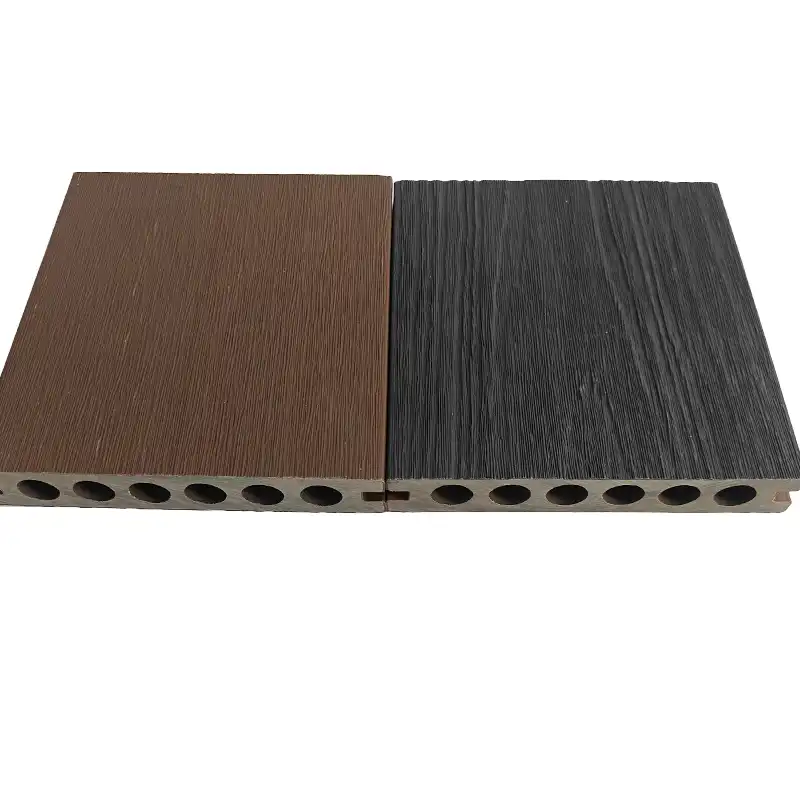
Combining wood flour with plastic in a complex way makes a material that outperforms standard wooden decks in a number of ways. Composite decking doesn't absorb moisture like regular wood does, so it doesn't have problems that happen a lot in outdoor eating areas, like bending, splitting, and rotting. WPC construction is waterproof and mold resistant, which helps meet high restaurant cleanliness standards and makes long-term upkeep easier.
Commercial Viability and Sustainability Advantages
More and more, restaurant and bar owners see composite decks as a smart long-term investment that makes their business more eco-friendly and performs better. Quality WPC flooring outdoor goods last a long time, so they don't need to be replaced as often as materials used in the past. Also, using recycled materials helps protect the earth, which is important for many businesses today.
Expert Guide to Installing Outdoor WPC Flooring for Restaurants and Cafes
When installing composite decks in outdoor eating areas, you need to make sure that the site is ready, that the structure is sound, and that you follow local building codes. Before installation, the site has to be carefully looked at and the surface has to be ready so that the best draining can happen and the structure will stay strong for heavy business use.
Site Preparation and Structural Requirements
To keep water from getting under the floor surface, professional installers need to check the current ground conditions and add the right drainage systems. When you are dealing with the weight of the furniture, equipment, and people who are eating at busy times in restaurants and cafes, proper frame spacing and structural support are very important.
Installation Best Practices and Quality Assurance
Quality setups include growth gaps that are right for the local temperature and use fixing systems made just for business use. The curved profile choices in many composite products make it possible to use secret fastening methods that make the surface smooth and professional while still allowing for cycles of heat expansion and contraction without losing strength.
Maintaining and Cleaning Outdoor WPC Flooring to Maximize Lifespan
In busy business dining settings, proper upkeep greatly extends the life and looks of composite decks. Regular cleaning with the right products and methods protects surfaces and keeps them clean, which is important for the health of people who work in and visit restaurants and cafes.
Routine Cleaning Protocols and Product Recommendations
It helps businesses to make a plan for when to do things like daily trash removal, weekly deep cleaning, and yearly upkeep. Mild soaps and brushes with soft bristles can get rid of food and other organic materials without hurting the surface or weakening the material's protected features.
Stain Management and Surface Protection Strategies
Quickly cleaning up spills and spots keeps surfaces from changing color and looking unprofessional, which is important for eating areas where customers can see them. Knowing which cleaners to use and which hard chemicals and rough tools to stay away from saves the surface of the product and keeps the guarantee valid for the whole time it is in service.
Selecting the Ideal Outdoor WPC Flooring Solutions for B2B Procurement
When procurement workers choose a WPC flooring outdoor, they need to think about how long it will last, how it will look, how much it will cost, and how reliable the seller is. The process of choosing products include carefully looking at performance standards, approvals, and long-term value that are in line with the goals of the business project.
Performance Specifications and Certification Requirements
WPC items that are high-quality show better performance in tough tests that prove they are good for use in business settings. Goods that meet the standards for CE and SGS approval are sure to be of the same quality and follow the rules that are needed for business installs. Advanced versions show great resistance to UV light. In 1,000-hour tests, loss rates were under 3%, which means they keep their look in the long run even when used outdoors.
Customization Options and Bulk Purchasing Advantages
Commercial buyers benefit from being able to customize things like matching colors, picking textures, and setting size standards for different projects. It is usually cheaper to buy in bulk, and this also guarantees that there is enough material for big installs. For specialized business uses, the minimum order size is usually 500 meters.
Introducing Dingyue: Your Trusted Partner for Premium WPC Flooring Solutions
Shandong Dingyue has become a top maker of high-performance composite decks that's made just for outdoor use in businesses. Our promise to protecting the environment and pioneering material science has led to the creation of cutting-edge WPC flooring outdoor goods since 2009. These products are more durable, attractive, and eco-friendly than the industry standard.
Manufacturing Excellence and Quality Assurance
Our factory covers 30,000 square meters and has more than 150 high-tech production lines that use the latest co-extrusion technology and automatic systems for quality control. This extensive production network lets us keep the quality of our products uniform while also meeting a range of customization needs and delivery plans that help stay on track with business project timelines.
Global Market Leadership and Technical Innovation
Dingyue's composite decking is used by people in over 60 countries, and it works well in a wide range of climates, from hot in the Middle East to cold in Northern Europe. Our goods have amazing thermal stability; for example, none of them cracked in studies where the temperature changed from −30°C to 70°C, and none of them blistered after 72 hours of being wet. This makes them perfect for use in restaurants and cafes around the world.
Conclusion
WPC flooring outdoor use is the best choice for restaurants and bars that want to make outdoor eating areas that are sturdy, look good, and can handle a lot of use while still looking nice. Composite decking is an environmentally friendly material that doesn't need to be taken care of very often and stands up to bad weather. Because of these three things, it is a smart choice for hotels and other places that offer hospitality. Professional buying teams can safely choose high-quality WPC goods that work well in the long term and make customers happy. These products also help with business efficiency and cost control.
Frequently Asked Questions
Q1: Why does WPC flooring outperform traditional wood decking in restaurant outdoor environments?
A: WPC flooring is better at resisting wetness, splintering, and care compared to traditional wood. The hybrid construction keeps the material from rotting, bending, or being damaged by bugs. It also keeps the same look and safety standards that are important for business dining uses.
Q2: How often should places with a lot of foot activity be cleaned?
A: Debris cleaning and spot cleaning should be done every day as a matter of course, and mild soap solutions should be used for deep cleaning every week. In very industrial settings, deep cleaning and checking should be done every month to keep the surfaces clean and in good shape.
Q3: How does WPC flooring hold up in extreme weather and when a lot of people walk on it?
A: Good WPC goods are very tough and won't crack when used in temperatures from -30°C to 70°C. The slip-resistant surface keeps safety standards in wet conditions, and the thick composite structure can handle a lot of foot traffic without breaking down.
Partner with Dingyue for Superior WPC Flooring Solutions
Dingyue's high-quality composite decking options for business hospitality use will change the outdoor areas of your cafe or restaurant. Our approved goods are long-lasting and look great. They come with full expert help and dependable delivery anywhere in the world. We offer specialized solutions that fit your project's needs and your budget as a dependable WPC flooring outdoor provider. Ready to make your experience of eating outside better? For full product information, examples, and individual advice services, please email dingyue@dywpcpvcpanel.com.
References
1. Thompson, Michael J. "Wood-Plastic Composite Decking in Commercial Applications: Performance Analysis and Maintenance Guidelines." Journal of Building Materials and Construction, Vol. 45, No. 3, 2023.
2. Rodriguez, Elena S. "Sustainable Flooring Solutions for Outdoor Hospitality Spaces: A Comparative Study of Material Performance." International Review of Hospitality Design, Vol. 12, No. 2, 2023.
3. Chen, David L. "Weather Resistance and Durability Testing of Composite Decking Materials in Commercial Environments." Materials Science and Engineering Quarterly, Vol. 28, No. 4, 2022.
4. Anderson, Patricia K. "Installation Best Practices for WPC Flooring in High-Traffic Commercial Settings." Construction Industry Technical Manual, 3rd Edition, 2023.
5. Williams, Robert M. "Cost-Benefit Analysis of Composite vs. Traditional Decking Materials in Restaurant Applications." Foodservice Facility Management Journal, Vol. 19, No. 1, 2023.
6. Kumar, Priya N. "Environmental Impact Assessment of Wood-Plastic Composite Manufacturing and Application in Commercial Construction." Green Building Materials Review, Vol. 31, No. 2, 2022.