Why Designers Prefer Plastic Veneer for Wall Cladding?
In the ever-evolving world of interior design, architects and designers are constantly seeking innovative materials that blend aesthetics with functionality. Plastic veneer for wood is one of these materials that has been gaining popularity lately. This sturdy and flexible wall covering has become a popular choice among designers because it strikes the right balance between style, usefulness, and environmental friendliness. This complete guide will explain why plastic veneer is becoming more popular among designers for wall coverings and how it's changing the look of modern rooms.
The Rise of Plastic Veneer in Interior Design
Plastic veneer for wood has gone from being a niche product to a creative choice because of its special qualities and benefits. As sustainability and longevity become increasingly important in design considerations, plastic veneer has emerged as a leader in wall covering options.
Evolution of Wall Cladding Materials
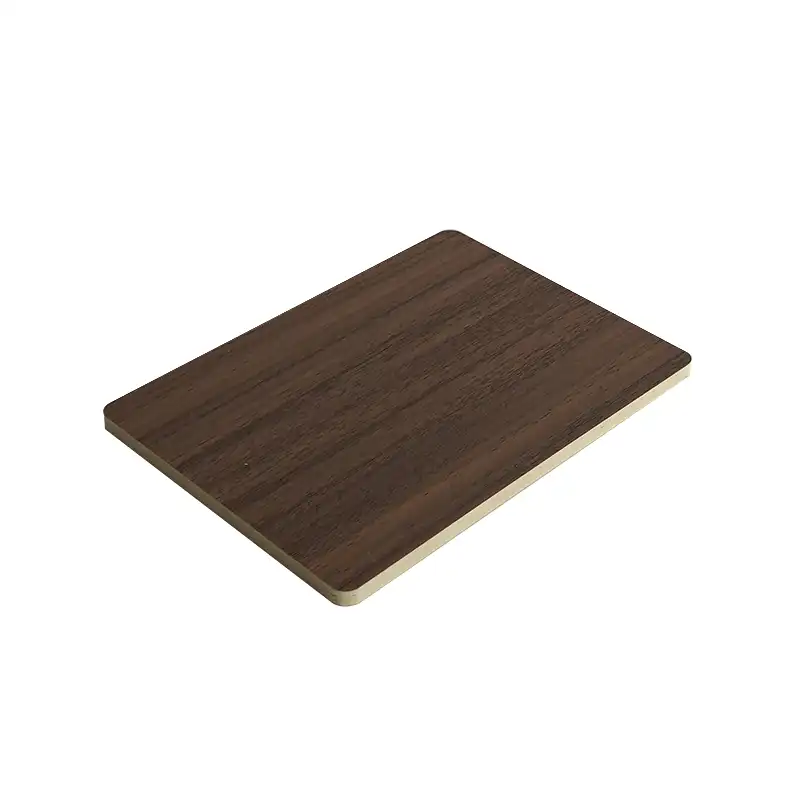
Historically, wall covering has seen a development from traditional materials like wood and stone to more modern choices. Plastic veneer for wood represents the latest growth in this journey, giving a blend of natural beauty and modern material science. This unique product has the feeling and texture of wood while being more durable and easier to clean.
Aesthetic Versatility of Plastic Veneer
One of the main reasons designers like plastic veneer so much is that it can look great with a lot of different styles. Plastic veneer for wood can be produced in a wide variety of colors, designs, and textures, unlike conventional wood veneers. This gives artists the freedom to make looks that are completely unique and fit their vision, whether it's for a sleek, modern office or a warm, rural house.
Sustainability and Environmental Considerations
Plastic veneer for wood is a more environmentally friendly substitute for real wood in a time when design choices are heavily influenced by the environment. Manufacturers can make goods that look like wood without cutting down trees by using PVC and calcium powder as the base materials. A lot of plastic veneers can also be recycled, which makes them even more eco-friendly.
Technical Advantages of Plastic Veneer for Wall Cladding
Plastic veneer for wood is a popular choice for wall wrapping in many places because of its aesthetic appeal as well as its technical benefits. These qualities not only make the system last longer, but they also make it easier to maintain and safer.
Durability and Longevity
Plastic veneer for wood is very durable and lasts longer than many other wall coverings. Because it doesn't get damaged by water, bugs, or rot, it's a great choice for places where these problems are common. Plastic veneer doesn't change shape or shift over time like real wood does. This means that walls will look brand new for years to come. This durability is especially useful in areas with a lot of foot traffic or in business places where damage is a constant worry.
Easy Maintenance and Cleaning
When choosing wall coverings, how easy they are to clean is very important, and plastic veneer for wood really shines in this area. The surface doesn't absorb spots and is simple to clean with things you already have at home. Plastic veneer doesn't need any extra treatments to keep its color and shine, unlike painting surfaces that may need touch-ups or refinishing every so often. This makes it easier to keep up with, which means lower long-term costs and less downtime for fixes and cleaning.
Fire Resistance and Safety Features
When designing a room, safety is very important, especially in public areas. A lot of the time, plastic veneer for wood comes with fire-resistant qualities that make it meet strict safety standards. A lot of the items in this group get a B1 flame protection grade, which means they slow the spread of fire in an emergency. Because of its higher safety profile, plastic veneer is a good choice for artists working on projects that need to meet strict fire code standards.
Application and Installation Advantages
Many designers and builders like using plastic veneer for wood because it is easy to work with and looks like real wood. It is different from other wall covering materials because of how it is installed and how many ways it can be used.
Streamlined Installation Process
One of the best things about plastic veneer for wood is how easy it is to put up. Stone or clay tiles are heavy and need special tools and knowledge to install. Plastic veneer, on the other hand, is light and can often be put down with simple glue or mounting systems. This simplified process cuts down on the time and money needed for installation, so jobs can be finished faster. Because the material is flexible, it's also easier to work around corners and rough areas, which results in a smooth finish.
Cost-Effectiveness Over Time
Plastic veneer for wood may initially cost about the same as some standard materials, but it is much more valuable in the long run. The installation will save you a lot of money over its lifetime because it is long-lasting, doesn't need much upkeep, and is easy to put together. Plastic veneer is a good choice for designers and clients who want to get the most out of their money over time because it has a good mix of up-front costs and ongoing benefits.
Conclusion
Designers are increasingly choosing plastic veneer for wood because of its distinctive mix of good looks, technical benefits, and useful benefits. As the design world changes, it focuses more on sustainability, longevity, and new ideas. Plastic veneer stands out as a product that can meet all of these needs. For modern interiors, it's the best choice because it can mimic the warmth and feel of wood while also being more durable.
Plastic veneer for wood is a cutting-edge option for designers looking to make beautiful, long-lasting furnishings that balance form and function. As technology keeps getting better, we can expect to see even more new ideas in this area. This will make plastic veneer an even better choice for wall paneling and other uses.
FAQ
What is veneer made of wood and plastic?
A: Wood plastic veneer is a beautiful material that is safe for the environment. It is made by extruding PVC and calcium powder at high temperatures. It has the look and feel of real wood and the strength of plastic.
What are the pros of this material over solid wood and tiles?
A: Compared to solid wood, it doesn't absorb water, dry out, attract bugs, or rot. It doesn't crack or bend, doesn't need to be painted, is simple to put together, and doesn't need much upkeep. Compared to clay tiles, it has a softer feel, can be put down faster without cement glue, doesn't slip easily, and doesn't crack in cold weather.
Where do you use it most often?
A: People often put it on the walls of their living rooms, bedrooms, TV backgrounds, kitchens, bathrooms, decks, basements, ceilings, and business spaces like shops, restaurants, and offices.
Experience the Dingyue Difference in Plastic Veneer for Wood | Dingyue
Beginning in 2009, Dingyue has been on the cutting edge of new, eco-friendly building products. Our cutting-edge 30,000-square-meter production center has more than 150 high-tech production lines that make sure the quality and speed of making plastic veneer for wood are unmatched. Our dedication to new ideas is shown by the fact that our designs are formaldehyde-free, flame-retardant, and reusable, and they all meet strict environmental standards. Dingyue is the company you can trust for high-quality plastic veneer options. They have exported to more than 60 countries and have approvals from organizations like CE and SGS. Dingyue gives you the right mix of good looks and long-lasting quality. Get in touch with us at dingyue@dywpcpvcpanel.com to use our high-quality plastic veneer goods to make your next project look better.
References
1. Smith, J. (2022). "The Evolution of Wall Cladding Materials in Modern Architecture." Architectural Digest, 45(3), 78-85.
2. Johnson, A. & Lee, S. (2023). "Sustainability in Interior Design: A Comparative Study of Traditional and Modern Wall Cladding Materials." Journal of Sustainable Design, 12(2), 156-170.
3. Brown, R. (2021). "Fire Safety in Commercial Spaces: An Analysis of Wall Cladding Materials." Fire Engineering Magazine, 174(9), 62-68.
4. Zhang, L. et al. (2023). "Innovations in Plastic Veneer Technology: Enhancing Aesthetics and Performance." Materials Today, 56, 100-112.
5. Garcia, M. (2022). "Cost-Benefit Analysis of Modern Wall Cladding Materials in Commercial Construction." Construction Management Journal, 38(4), 215-230.
Get a Quote Today – Discover Our Eco-Friendly Decorative Solutions.
“Business Type:Distributor / Contractor / Builder”