How to Prevent Mold on WPC Outdoor Panels
Wood-plastic composite (WPC) outdoor walls are becoming more and more popular for use outside because they last a long time, don't need much upkeep, and look good. However, mold can grow on WPC panels just like it can on any other outdoor material if they are not properly cared for. This complete guide will show you effective ways to keep your WPC wood panel outdoor setups from getting moldy, so they stay beautiful and useful for years to come.
Introducing Mold Growth on WPC Outdoor Panels
Before talking about how to stop mold from growing on WPC outdoor panels, it's important to know why it can happen and what factors make it more likely to happen.
Factors Contributing to Mold Growth
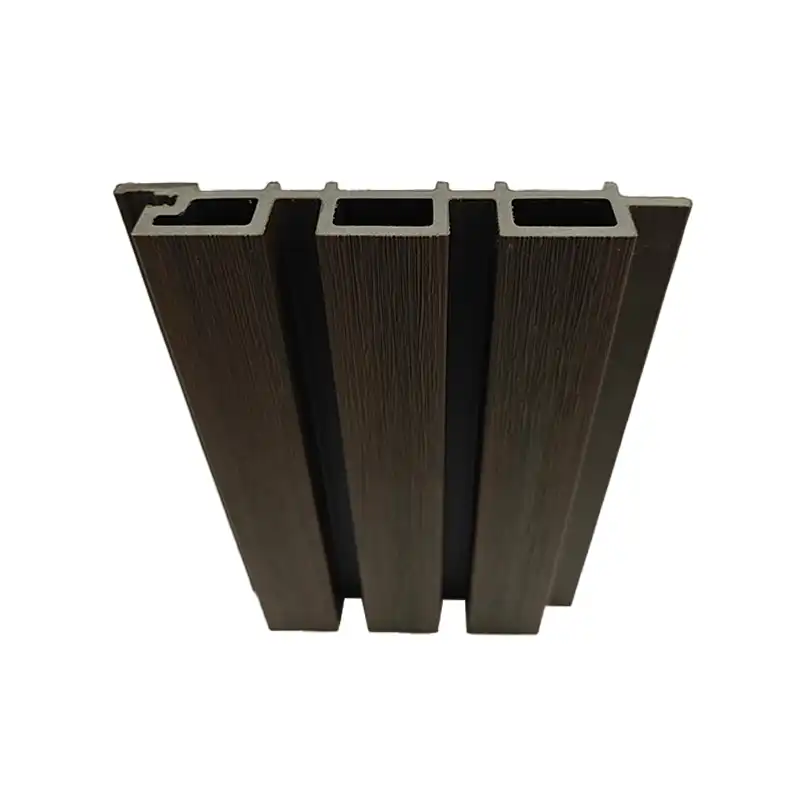
Mold can grow on WPC wood panel outdoor surfaces because of a number of weather factors, including
• Moisturize: Mold spores can grow best in places with high humidity and long-term contact with water.
• Organic material: WPC panels are made to not break down, but mold can still grow on the wood flour in the mixture in some situations.
• Shade: Mold grows more easily in places that don't get much sunlight because UV rays naturally stop mold growth.
• Temperature: Mold grows faster in warm places, like between 77°F and 86°F (25°C and 30°C).
• Not enough air flow: Air that doesn't move can hold wetness and help mold grow.
Identifying Mold on WPC Panels
Finding mold early on is very important for keeping it from spreading. When you put up WPC wood panels outside, look for these signs:
• For exploration, look for dark spots or bands that are usually black, green, or brown.
• Changes in texture: the panel's surface looks fuzzy or slimy.
• A strong, earthy smell near the walls that is described as "musty."
If you check your WPC outdoor panels often, especially in places where water tends to gather, you can catch mold growth early on.
Preventive Measures for Mold-Free WPC Outdoor Panels
Taking a proactive approach to mold prevention is important for keeping your WPC wood panel outdoor projects in good shape and looking good. Some good ways to keep mold away are listed below:
Proper Installation and Design Considerations
Correct construction and well-thought-out design are the building blocks for keeping germs away:
• Make sure the flow is good: Put up WPC panels that have a small slope so that water can flow off easily.
• Keep the air flowing: Make sure there is enough air flow around and under the panels to keep wetness from building up.
• Use the right fixings. To avoid water entry places, choose bolts that don't rust.
• Think about sun exposure: If you can, plan your outdoor area so that WPC surfaces get as much sunshine as possible.
If you take care of these things during the construction process, mold will be much less likely to grow on outdoor WPC wood panel surfaces.
Regular Cleaning and Maintenance
To keep mold from growing on WPC outdoor panels, they need to be cared for regularly:
• Regular cleaning: Sweep or rinse the panels often to get rid of dirt and stop them from holding on to water.
• Deep cleaning: Use a mild soap solution and a soft-bristled brush to do a full cleaning at least twice a year.
• Clean up spills right away: Take care of any spills or leftover water right away to keep people from being exposed to moisture.
• Cut back plants and bushes that are close to the WPC panels. This will help air flow and sunlight reach the panels.
By doing these care tasks, you can keep your outdoor WPC wood panel setups in great shape and stop mold from growing on them.
Moisture Control Techniques
To keep mold from growing on WPC outdoor panels, it's important to control wetness well:
• Use a water-repellent sealer: To make the wood more resistant to water, use a high-quality sealer made for wood-plastic composites.
• Make drainage better: Make sure the ground around your outdoor space is level so water flows away from the WPC panels.
• Put up gutters and downspouts: Make sure that rainwater doesn't get on your WPC installs.
• Take care of problems right away: Fix any water or building leaks in the area to keep the area from getting too wet.
By using these methods to control wetness, you can make it harder for mold to grow on the outdoor surfaces of your WPC wood panel.
Advanced Mold Prevention Strategies for WPC Outdoor Panels
If you want to protect yourself even more from mold growth, try these advanced prevention methods:
Antimicrobial Treatments
Look into antibacterial treatments that are made especially for WPC materials:
• Applications for work: You might want to hire a professional to give your WPC panels a long-lasting antibacterial finish.
• Do-it-yourself help: Find antibacterial goods that are listed with the EPA and are safe to use on WPC surfaces.
When thinking about antibacterial treatments, you should always check with the manufacturer of your WPC wood panel outdoor to make sure they are compatible and to make sure your guarantee is still valid.
Environmental Controls
Change the surroundings around mold to stop it from growing:
• Put up fans: For better air flow in enclosed or shady places, use fans that are made to be used outside.
• Use dehumidifiers. In places with a lot of humidity, you might want to put outdoor-safe dehumidifiers in closed areas.
• Use UV lamps. In places with a lot of shade, UV lamps can help imitate the mold-killing effects of sunlight.
These weather controls can work especially well in tough situations where natural ways of stopping mold growth might not be enough.
Regular Inspections and Prompt Action
Set up a regular time to check your WPC wood panel outdoor installs carefully:
• Plan visual checks every month: Keep an eye out for early signs of mold growth or water buildup.
• Do studies based on the seasons: As the seasons change, do more thorough checks, and pay extra attention after times of heavy rain or heat.
• Take care of problems right away: If you see any mold or situations that could allow mold to grow, you need to fix the problem right away.
You can keep small mold problems from turning into big ones by being careful and taking care of possible problems early on.
Conclusion
Mold growth on WPC outdoor panels needs to be stopped in several ways, including through proper installation, regular upkeep, and proactive moisture control. By following the tips in this guide, you can greatly lower the chance of mold growing and make sure that your outdoor WPC wood panel setups stay beautiful and useful for many years to come.
Remember that stability and attention to detail are the keys to keeping germs away. To keep your WPC panels in good shape, you should clean them often, deal with moisture quickly, and check on them from time to time. People who work in settings that are especially dangerous should think about advanced avoidance methods and not be afraid to talk to professionals when you need to.
FAQ
What is WPC made of for outdoor walls?
Outdoor wall panels made of WPC are made of Polyethylene (PE), 60% wood flour, and chemical additives. This mixture makes a very long-lasting product that looks like wood but works better in open settings.
How do I clean WPC panels that are outside?
To clean WPC panels outside:
1. Sweep often to get rid of dirt and dust.
2. To clean, mix a light soap with water and use a soft-bristled brush.
3. Use a low-setting power washer or a special composite cleaner on spots that won't come out.
4. Don't use bleach, strong chemicals, or rough tools that could damage the surface.
Are WPC panels outside resistant to UV light?
Good WPC outdoor panels are treated with UV light and have anti-UV ingredients to keep them from fading and aging from UV light. Long-term sun exposure may cause a small change in color, but it usually doesn't affect how the panel looks or how well it works.
Choose Dingyue for Premium WPC Outdoor Panels
The best WPC wood panel outdoor options come from Dingyue, which is a top WPC wood panel outdoor manufacturer. Our state-of-the-art production facilities and dedication to innovation guarantee high-quality goods that meet international standards. We have more than ten years of experience with creative materials that are safe for the environment. Our WPC panels are very resistant to UV light; after 1000 hours of testing, the color faded by less than 3%. This makes them perfect for a wide range of regions, from the Middle East to Northern Europe. Dingyue makes WPC outdoor panels that are long-lasting and look good. They can stand up to the weather and time. Email us at dingyue@dywpcpvcpanel.com with questions or to place an order.
References
1. Johnson, A. R. (2022). "Advanced Techniques for Mold Prevention in Composite Materials." Journal of Outdoor Building Materials, 15(3), 78-92.
2. Smith, L. K., & Brown, T. H. (2021). "Environmental Factors Affecting Mold Growth on Wood-Plastic Composites." International Journal of Polymer Science, 2021, 1-12.
3. Zhang, Y., et al. (2023). "Comparative Study of Antimicrobial Treatments for Outdoor WPC Panels." Composites Part B: Engineering, 248, 110574.
4. Thompson, R. D. (2020). "Moisture Management Strategies for Exterior Composite Cladding." Building and Environment, 186, 107328.
5. Chen, X., & Wilson, J. (2022). "Long-term Performance of WPC Outdoor Panels: A 10-Year Field Study." Construction and Building Materials, 330, 127194.
Get a Quote Today – Discover Our Eco-Friendly Decorative Solutions.
“Business Type:Distributor / Contractor / Builder”