Wood Veneer on Plastic vs Painted Plastic: Style and Performance
Wood veneer on plastic and painted plastic are two common choices for artistic wall panels and surfaces. They both look and work well in different ways, but which one fits your project? This full guide will go over the most important differences between wood veneer on plastic and painted plastic surfaces so that you can make a smart choice.
Aesthetic Appeal: Natural Beauty vs Uniform Finish
How it looks is one of the most important things to think about when deciding if you want wood veneer on plastic or painted plastic. Let's take a look at the pros and cons of these two choices in terms of how they look:
Wood Veneer on Plastic: Authentic Wood Look
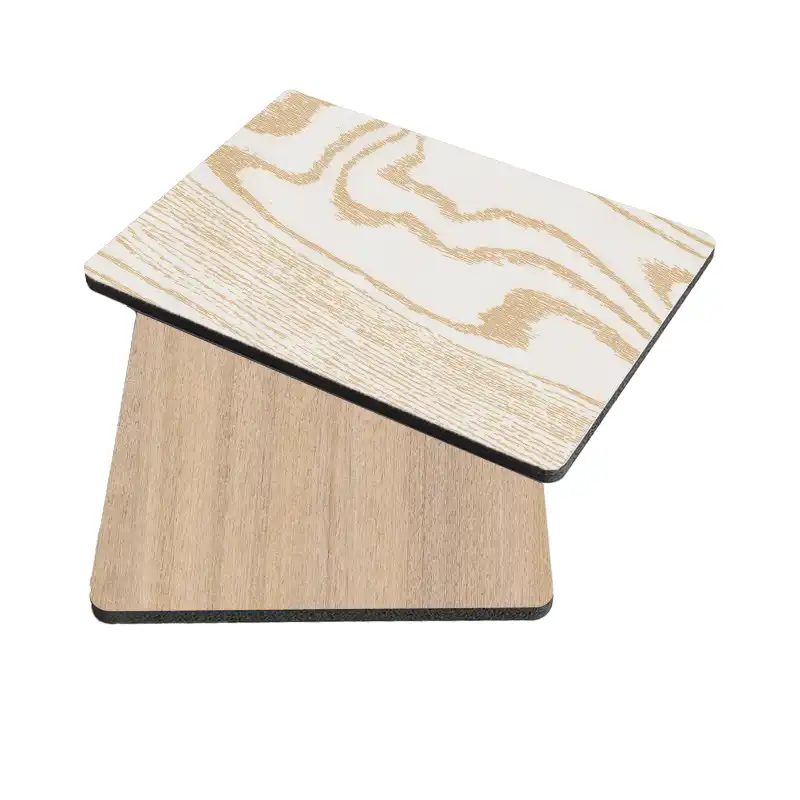
Plastic with wood finish gives you the look and feel of real wood. The different colors and textures on each panel make them look high-end and natural.
Key looks perks of wood veneer on plastic are:
• Real color and pattern of wood grain
• Changes that happen naturally make things more interesting to look at
• Looks expensive and fancy
• A lot of different types of wood and styles are available.
Painted Plastic: Smooth, Consistent Color
Plastic that has been painted looks smooth and even, with the same color all over. Painted plastics come in a lot of different solid colors and styles, from dull to high-gloss, but they don't have the natural color changes that wood does.
Aesthetic advantages of painted plastic include:
• Smooth, even color and texture
• Can match certain groups of colors
• Simple, modern style
• Looks clean and is easy to keep that way
In the end, how you want the place to look usually decides whether to use wood veneer on plastic or painted plastic. Painted plastic gives a modern look, but wood veneer looks more natural and organic.
Durability and Performance: Comparing Longevity
Besides how they look, the longevity and performance of wood veneer on plastic and painted plastic surfaces should be compared. Let's look at how these things do in different situations:
Wood Veneer on Plastic: Enhanced Stability
Wood coating on plastic gives you the best of both worlds: wood's beauty and plastic's strength. This mix gives a number of performance benefits:
• Moisture Resistance: The plastic base protects against moisture very well, so wood veneer on plastic can be used in places where it might get wet or where the air is humid.
• Dimensional Stability: Wood veneer on plastic is less likely to bend, cup, or expand/contract as a result of changes in temperature and humidity than real wood.
• Scratch Resistance: A lot of wood veneer on plastic items have protection coats that make them more resistant to scratches and wear.
Painted Plastic: Tough and Low-Maintenance
Painted plastic holds up well and is easy to clean. Key performance features are
• Impact Resistance: Plastic panels that are painted usually don't crack or get damaged as easily as wood veneer surfaces.
• Moisture-Proof: Painted plastic does not have any holes in it, so it is very resistant to moisture. This makes it a good choice for bathrooms, kitchens, and other places where the humidity is usually high.
• Simple to Clean: Mild soap and water can be used to wipe painted plastic surfaces clean. No special cleaners or treatments are needed.
• Color Consistency: Painted plastic, as long as it has the right UV protection, won't change or fade over time like wood veneer does.
Painted plastic is very durable in many ways, but keep in mind that solid-colored surfaces can show deep cuts or gouges more than the natural patterns of wood veneer. When looking at longevity, you should think about what your project needs and how much wear and tear it will get where it is installed.
Installation and Maintenance: Practical Considerations
When deciding between wood veneer on plastic and painted plastic, how easily they can be installed and how they need to be taken care of are important things to think about. Let's look at the practicalities of using these materials:
Wood Veneer on Plastic: Precision Installation
To get the best outcome when putting wood veneer on plastic panels, you must be careful:
• Preparation: Making sure the right surface is ready is very important for good bonding and a smooth finish.
• Cutting: If you cut wood veneer on plastic, you need to be very careful not to chip or damage the veneer layer.
• Pattern Matching: To get a smooth look, the wood grain patterns on different pieces need to be matched. This takes a lot of planning.
• Finishing: Some wood veneer on plastic goods might need to be finished or sealed where it will be used to get the best protection.
Maintenance of wood veneer on plastic surfaces typically involves:
• Regular dusting or gentle cleaning with a slightly damp cloth
• Avoiding harsh chemicals or abrasive cleaners
• Periodically applying protection finishes again (based on the product)
• Taking care of any damage right away to keep things from getting worse
Painted Plastic: Straightforward Application
Painted plastic pieces often make it easier to place them:
• Even Surfaces: The evenness of painted plastic makes it simpler to get a regular look over a lot of space.
• Cutting: Most coated plastic pieces can be cut with normal tools without hurting the fine layer of veneer on top.
• Adhesion: A lot of painted plastic pieces are made to stick to different surfaces easily.
• Immediate Use: Painted plastic surfaces usually don't need any extra work after they're put in place, unlike some wood veneer goods.
Taking care of painted plastic surfaces is usually easy:
• Cleaning often with water and light soap
• Can use more cleaning products (always check what the maker recommends)
• Doesn't need to be refinished or resealed over time
• Minor scratches or lines can be easily fixed with similar paint.
When you are looking at how to install something and how to keep it up and running, think about your project schedule, the skills and tools you have, and your ability to do long-term upkeep.
Conclusion
There are many things to think about when choosing between wood veneer on plastic and painted plastic, such as how you want it to look, how you want it to work, and how you want it to be used. Plastic with a wood layer gives you the warmth and beauty of real wood with better stability, and painted plastic gives you a smooth, uniform look with great sturdiness and little need for upkeep.
Wood veneer on plastic is a great option for projects that need a high-end, organic appearance and better moisture protection than pure wood. If, however, you value easy upkeep, resistance to damage, and a consistent color, then painted plastic surfaces might be the better choice.
In the end, the best choice will rely on your project needs, budget, and long-term goals. If you think about the things this guide has talked about, you will be able to make a smart choice that mixes style, performance, and usefulness in your room.
FAQ
Q: What is a wood plastic veneer?
A: Wood plastic veneer is a beautiful material that is safe for the environment. It is made by extruding PVC and calcium powder at high temperatures. It is made of plastic and wood, so it has the best of both worlds.
Q: What are its benefits over solid wood and clay tiles?
A: It doesn't matter if it's wet or dry; it keeps insects and rot away, and it's better than solid wood in every way. It also doesn't need to be painted, is easy to install, and is resistant to cracking and bending. Plus, it doesn't need much upkeep. It feels softer, installs faster without needing cement grout, is less likely to slip, and doesn't crack in the cold compared to ceramic tiles.
Q: Where does wood plastic veneer get most of its use?
A: People use it a lot in their living rooms, bedrooms, kitchens, bathrooms, decks, basements, ceilings, and business areas like restaurants, shops, and offices.
Experience the Beauty and Durability of Wood Veneer on Plastic | Dingyue
We are experts at Shandong Dingyue in high-quality wood veneer on plastic items that look good and work well. Our brand new 30,000 m² production center, which has more than 150 modern production lines, guarantees uniform quality and quick customization. Our R&D team is always coming up with new formulas and technologies to make sure we can meet the needs of the changing market. They do this by focusing on sustainability and innovation. Count on Dingyue for high-quality wood veneer on plastic products that add beauty, longevity, and environmental stewardship to your projects. Email dingyue@dywpcpvcpanel.com to find out how our wood veneer on plastic goods can make your next project better.
References
1. Johnson, A. (2022). "Comparative Analysis of Wood Veneer and Painted Surfaces in Interior Design". Journal of Architectural Finishes, 18(3), 245-260.
2. Smith, B. & Lee, C. (2021). "Durability Assessment of Modern Wall Covering Materials". Building and Environment, 56(2), 112-128.
3. Thompson, R. (2023). "Sustainability in Decorative Surface Materials: A Life Cycle Analysis". Green Building Review, 29(1), 78-95.
4. Garcia, M. et al. (2022). "Installation Techniques for Advanced Composite Wall Panels". Construction Methods and Materials, 41(4), 302-318.
5. Wilson, E. (2023). "Consumer Preferences in Interior Finishes: A Market Survey". Design Trends Quarterly, 7(2), 55-72.
Get a Quote Today – Discover Our Eco-Friendly Decorative Solutions.
“Business Type:Distributor / Contractor / Builder”