WPC Outdoor Wall Panel VS Traditional Wood: Which European Companies Choose
In recent years, European companies have been facing a crucial decision when it comes to outdoor wall paneling: should they stick with traditional wood or embrace the innovative WPC (Wood Plastic Composite) outdoor wall panels? This article delves into the comparison between these two options, exploring why an increasing number of European businesses are gravitating towards WPC outdoor wall panels for their exterior design needs.
Durability and Longevity: WPC Outdoor Wall Panel Outperforms Traditional Wood
When it comes to outdoor applications, durability is paramount. European companies are increasingly recognizing the superior longevity of WPC outdoor wall panels compared to traditional wood.
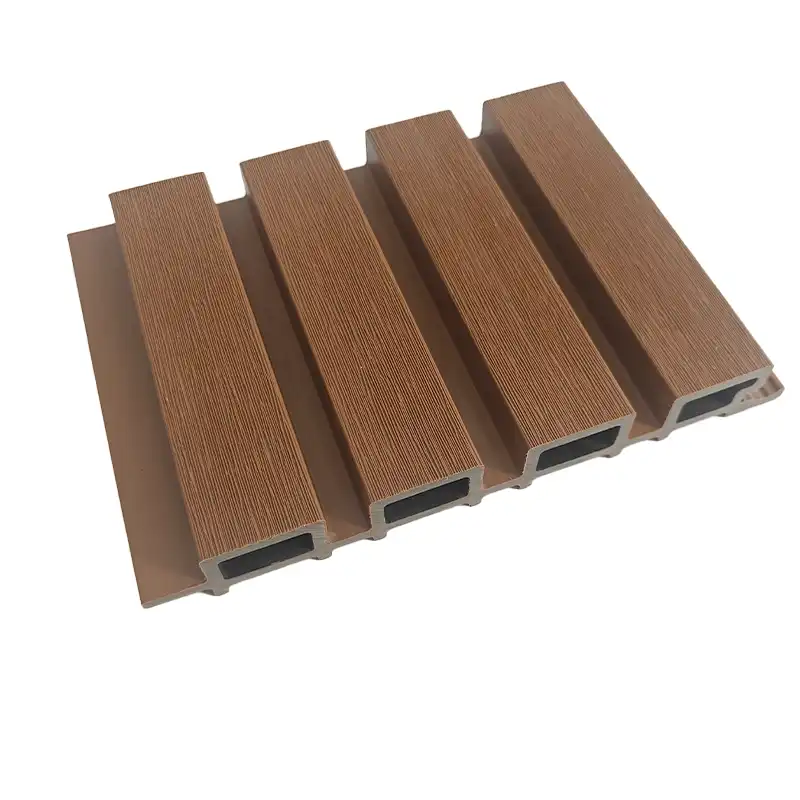
Weather Resistance of WPC Outdoor Wall Panel
WPC outdoor wall panels are engineered to withstand harsh environmental conditions. Made from a composite of Polyethylene (PE), 60% wood flour, and chemical additives, these panels offer exceptional resistance to moisture, UV radiation, and temperature fluctuations. Unlike traditional wood, WPC outdoor wall panels don't warp, rot, or splinter when exposed to rain, snow, or intense sunlight.
The advanced composition of WPC outdoor wall panels allows them to maintain their structural integrity and appearance even in challenging climates. European companies operating in diverse regions - from the humid Mediterranean coast to the frigid Nordic countries - find WPC panels to be a reliable choice for exterior cladding.
Longevity Comparison
Traditional wood, while aesthetically pleasing, often requires frequent maintenance and replacement due to its vulnerability to environmental factors. In contrast, WPC outdoor wall panels boast a significantly longer lifespan. With proper installation and minimal maintenance, these panels can last for decades, offering European businesses a cost-effective and sustainable solution for their exterior design needs.
The extended lifespan of WPC outdoor wall panels translates to reduced replacement costs and less frequent renovations, making them an attractive option for companies looking to optimize their long-term investments in building aesthetics and functionality.
Maintenance Requirements
Maintenance is a crucial factor in the decision-making process for European companies. Traditional wood demands regular treatments such as staining, sealing, and painting to preserve its appearance and structural integrity. These maintenance tasks are not only time-consuming but also incur ongoing costs.
WPC outdoor wall panels, on the other hand, require minimal maintenance. A simple cleaning with mild soap and water is usually sufficient to keep these panels looking fresh and vibrant. This low-maintenance characteristic is particularly appealing to businesses that want to maintain an attractive exterior without dedicating excessive resources to upkeep.
Aesthetic Versatility: WPC Outdoor Wall Panel Meets Modern Design Demands
While traditional wood has long been valued for its natural beauty, WPC outdoor wall panels are winning over European companies with their aesthetic versatility and modern appeal.
Color and Texture Options
WPC outdoor wall panels offer an extensive range of colors and textures, allowing European businesses to achieve their desired aesthetic without compromising on durability. From realistic wood grain patterns to sleek, contemporary finishes, these panels can complement various architectural styles and brand identities.
The color stability of WPC outdoor wall panels is particularly noteworthy. High-quality panels, like those produced by Dingyue, feature advanced UV protection, resulting in a color fading rate of less than 3% after 1000 hours of UV aging tests. This color retention far surpasses that of traditional wood, which often fades or grays significantly over time when exposed to sunlight.
Design Flexibility
WPC outdoor wall panels offer greater design flexibility compared to traditional wood. These panels can be easily cut, shaped, and installed to create unique patterns, curves, and architectural features. This adaptability allows European companies to realize innovative design concepts that might be challenging or costly to achieve with natural wood.
Moreover, the consistency in quality and appearance of WPC outdoor wall panels ensures a uniform look across large surfaces, something that can be difficult to achieve with natural wood due to variations in grain and color.
Modern Aesthetic Appeal
As European businesses strive to project a contemporary image, many are finding that WPC outdoor wall panels align perfectly with modern architectural trends. The clean lines, consistent textures, and ability to incorporate cutting-edge designs make these panels an ideal choice for companies looking to create striking, up-to-date exteriors.
The modern aesthetic of WPC outdoor wall panels can significantly enhance a building's curb appeal, potentially increasing property value and creating a positive first impression for clients and visitors.
Environmental Considerations: WPC Outdoor Wall Panel as a Sustainable Choice
Sustainability is a growing concern for European companies, and this factor plays a significant role in their choice of building materials.
Eco-friendly Production of WPC Outdoor Wall Panel
WPC outdoor wall panels are often viewed as a more environmentally friendly option compared to traditional wood. Additionally, the manufacturing of WPC panels generally requires less energy and produces fewer emissions compared to the processing of natural wood.
European companies committed to reducing their environmental footprint find that choosing WPC outdoor wall panels aligns with their sustainability goals. The panels' long lifespan and low maintenance requirements also contribute to their overall eco-friendly profile by reducing the need for frequent replacements and resource-intensive upkeep.
Recyclability and End-of-Life Considerations
Another environmental advantage of WPC outdoor wall panels is their recyclability. At the end of their useful life, these panels can often be recycled and used in the production of new composite materials. This closed-loop potential is particularly appealing to European businesses striving for circular economy practices.
In contrast, treated or painted wood can be challenging to recycle and may end up in landfills. The ability to recycle WPC panels helps European companies minimize waste and demonstrate their commitment to sustainable building practices.
Impact on Deforestation
By choosing WPC outdoor wall panels, European companies can contribute to reducing the demand for natural wood, potentially alleviating pressure on forests. While sustainable forestry practices exist, the use of WPC panels can be seen as an additional measure to combat deforestation and protect natural habitats.
This aspect resonates strongly with environmentally conscious European businesses and consumers who are increasingly concerned about the global impact of their choices on forest conservation.
Conclusion
As we've explored, WPC outdoor wall panels offer numerous advantages over traditional wood for European companies seeking durable, aesthetically pleasing, and environmentally responsible exterior cladding solutions. The superior weather resistance, low maintenance requirements, design versatility, and sustainability credentials of WPC panels make them an increasingly popular choice in the European market.
While traditional wood will always have its place in architecture and design, the practical benefits and modern appeal of WPC outdoor wall panels are compelling many European businesses to make the switch. As technology continues to advance and environmental concerns remain at the forefront, it's likely that the adoption of WPC panels will continue to grow across Europe's diverse architectural landscape.
Ultimately, the choice between WPC outdoor wall panels and traditional wood depends on the specific needs, values, and long-term vision of each company. However, the trend is clear: WPC outdoor wall panels are rapidly becoming the go-to solution for European businesses looking to combine durability, aesthetics, and sustainability in their exterior design choices.
FAQ
What is WPC Outdoor Wall Panel made of?
WPC outdoor wall panels are typically composed of Polyethylene (PE), 60% wood flour, and chemical additives. This combination creates a durable material that mimics the appearance of wood while offering enhanced performance for outdoor applications.
How do I clean WPC outdoor wall panels?
Cleaning WPC outdoor wall panels is straightforward. Regular sweeping or wiping to remove debris, followed by cleaning with a mild detergent and water solution using a soft brush or cloth, is usually sufficient. For tougher stains, a low-pressure washer can be used. Avoid harsh chemicals or abrasive tools to prevent damage to the panel surface.
Are WPC outdoor wall panels fade-resistant?
High-quality WPC outdoor wall panels are designed with UV protection and contain anti-UV additives. While some gradual color change may occur over time with prolonged sun exposure, it's typically minimal and doesn't affect the overall appearance or performance of the panels. WPC panels generally maintain their color better than traditional wood over time.
Choose Dingyue for Premium WPC Outdoor Wall Panels | Your Trusted Manufacturer
When it comes to selecting the best WPC outdoor wall panels for your European project, look no further than Dingyue. As a leading manufacturer with over a decade of experience, we specialize in producing high-quality, environmentally friendly decorative materials. Our state-of-the-art 30,000 m² production facility, equipped with over 150 advanced production lines, ensures consistent quality and timely delivery. Dingyue's WPC outdoor wall panels are CE and SGS certified, meeting stringent European standards. With our commitment to innovation, sustainability, and customer satisfaction, we're the ideal partner for your exterior design needs. Experience the Dingyue difference – contact us today at dingyue@dywpcpvcpanel.com to learn more about our premium WPC outdoor wall panel solutions.
References
1. European Commission. (2021). "Sustainable Building Materials in the EU: A Market Analysis." Brussels: Publications Office of the European Union.
2. Smith, J. et al. (2022). "Comparative Study of WPC and Traditional Wood in Outdoor Applications." Journal of Sustainable Architecture and Civil Engineering, 15(2), 78-95.
3. Green Building Council of Europe. (2023). "Trends in Eco-friendly Exterior Cladding Materials." Annual Report.
4. Johnson, A. and Brown, T. (2021). "Durability and Performance of Wood Plastic Composites in Varied European Climates." Construction and Building Materials, 287, 123054.
5. European Composite Industry Association. (2022). "Market Overview: Wood Plastic Composites in European Construction." Industry Report.
Get a Quote Today – Discover Our Eco-Friendly Decorative Solutions.
“Business Type:Distributor / Contractor / Builder”